

Smart Shopping Editorial Team
Smart Shopping Editorial Team is the collective byline for our editorial team and contributor network. Articles published under this byline or an editorial pen name are researched, written, and reviewed according to our editorial standards for clarity, consistency, and independence before publication.

Before You Buy: A Product Evaluation Checklist for Beginners
Run through this practical checklist before any purchase to assess quality, value, and reliability without second-guessing yourself.

Brand Reputation vs. Independent Testing: Two Very Different Sources of Truth
A well-known brand name isn't the same as a proven product. See how independent testing organizations approach quality differently than advertising does.

Build Quality Signals: What to Look for in Physical Products
Materials, tolerances, seams, and finishes — these tangible details often predict how long a product holds up better than brand reputation alone.

Certifications and Standards That Actually Mean Something
UL, Energy Star, OEKO-TEX, NSF — a plain-language guide to recognizable third-party certifications and what they verify about a product.

Evaluating Products Across Different Categories: Where the Rules Change
What matters most in appliances differs from electronics, clothing, or tools. Learn how evaluation priorities shift depending on the product type.

Evaluating a Product You Can't Touch: Online Shopping Without the Guesswork
When you can't hold a product in your hands, these strategies help you assess build quality, fit, and reliability from a product page alone.
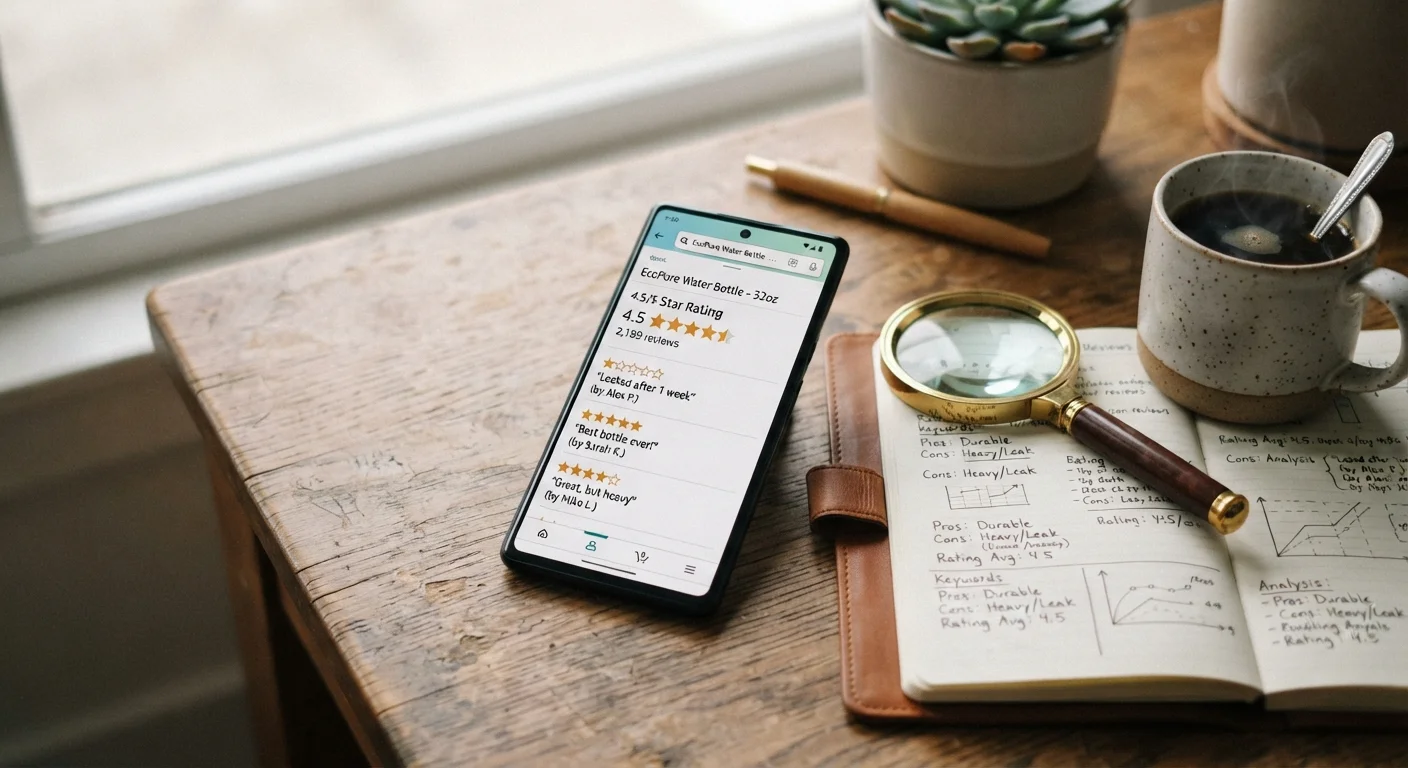
How Consumer Reviews Can Mislead You - and How to Use Them Wisely
Star ratings hide as much as they reveal. Understand review manipulation, selection bias, and the patterns that point to genuine feedback.
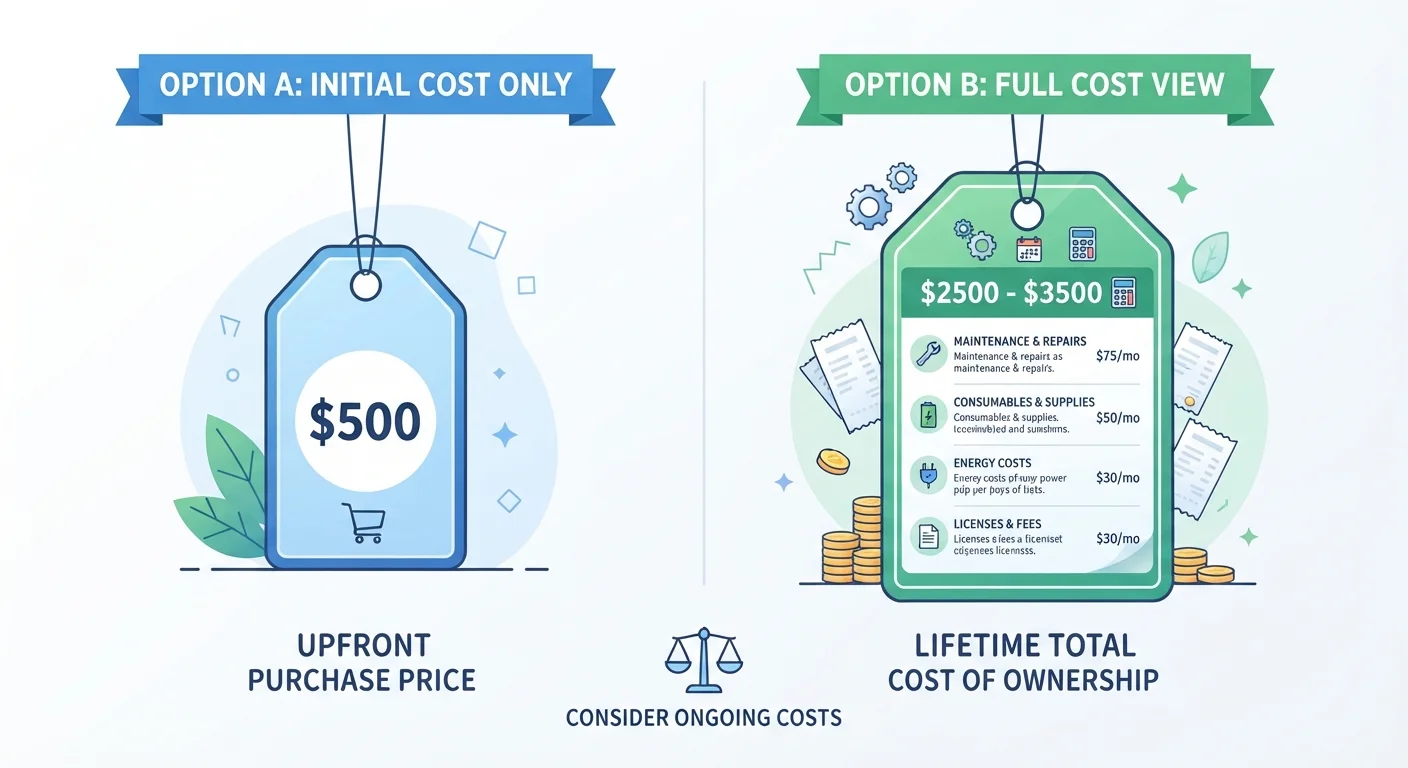
Lifetime Cost vs. Purchase Price: The Real Math Behind a Buying Decision
A cheaper product can cost more over time. Learn how to calculate total cost of ownership before committing to any purchase.
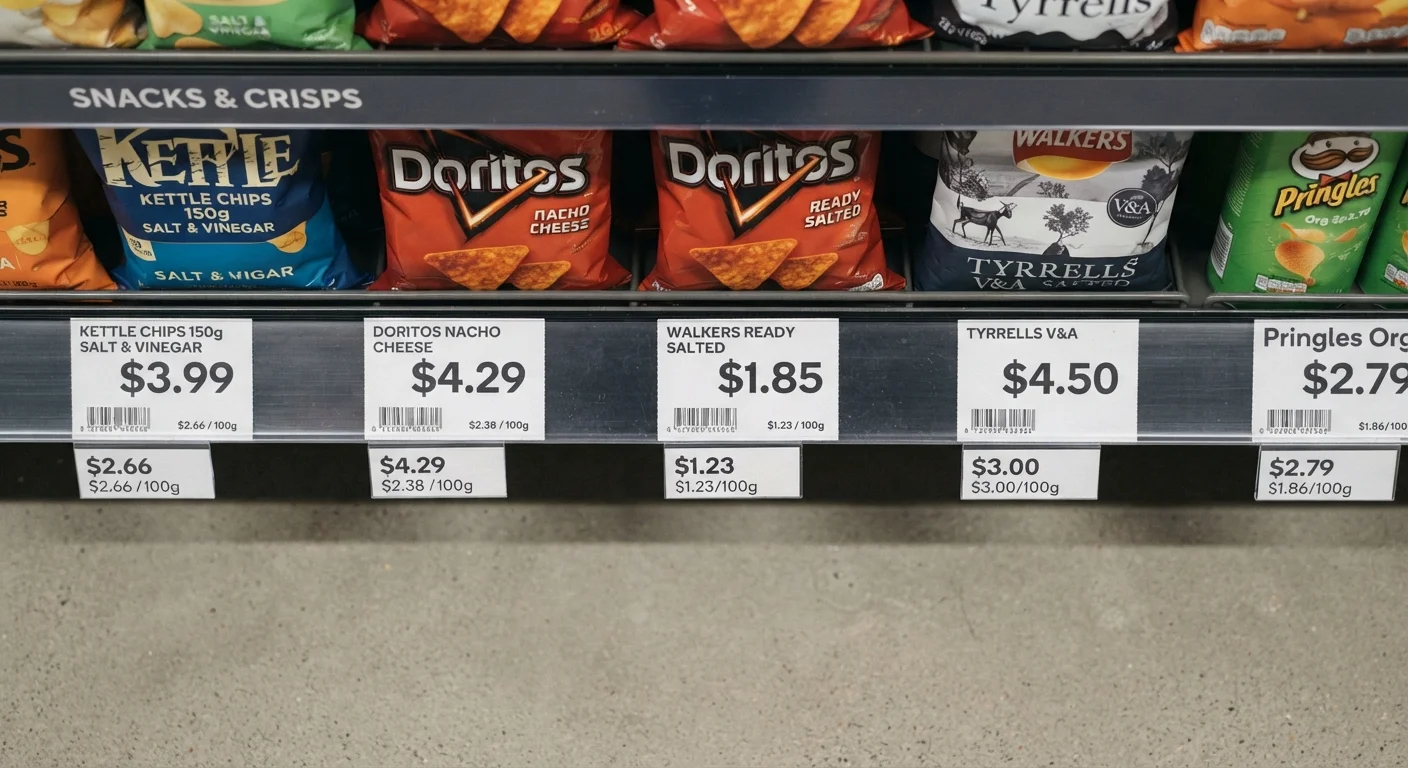
Price Per Unit vs. Sticker Price: Which Number Actually Matters
Sticker price can be misleading. Discover how unit pricing reveals true value and why it's the smarter number to compare.

Questions Worth Asking Before Any Major Purchase
A curated set of questions — about durability, support, compatibility, and true need — that sharpen your judgment before spending significantly.

Reading Past the Marketing: What Product Claims Actually Mean
"Premium," "professional-grade," "all-natural" — learn what these common product claims really signal and which ones are largely meaningless.

Smart Product Evaluation from the Ground Up
New to evaluating products on your own? This beginner-friendly guide covers the core concepts, habits, and frameworks that experienced shoppers use.

The Anatomy of a Product Specification Sheet
Spec sheets can be dense and confusing. Here's how to read one clearly, spot what matters, and ignore the noise.
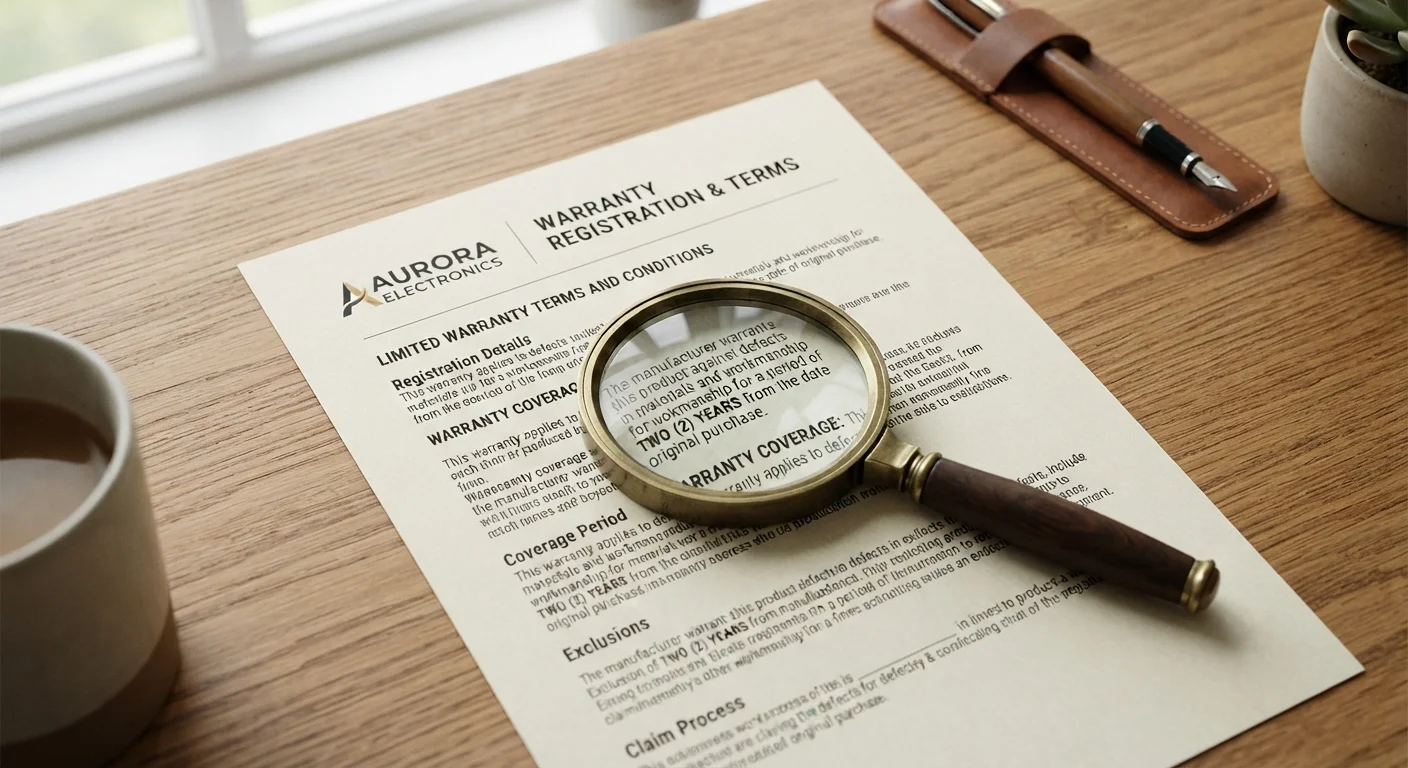
Warranty Terms Decoded: What Coverage Actually Protects You
Limited warranties, implied warranties, extended coverage — understand what each type covers and what exclusions to watch for.

Why High Price Doesn't Always Mean High Quality
The link between price and quality is weaker than most shoppers assume. Learn the research behind pricing psychology and what really signals value.

Assumptions That Leave Shoppers Vulnerable to Fraud
Overconfidence, brand familiarity bias, and skipping the fine print — discover the habits that inadvertently make shoppers easier to deceive.

Before You Buy: A Checklist for Spotting Suspicious Sellers
Use this step-by-step checklist before any purchase to verify a seller's legitimacy and protect yourself from deceptive listings.
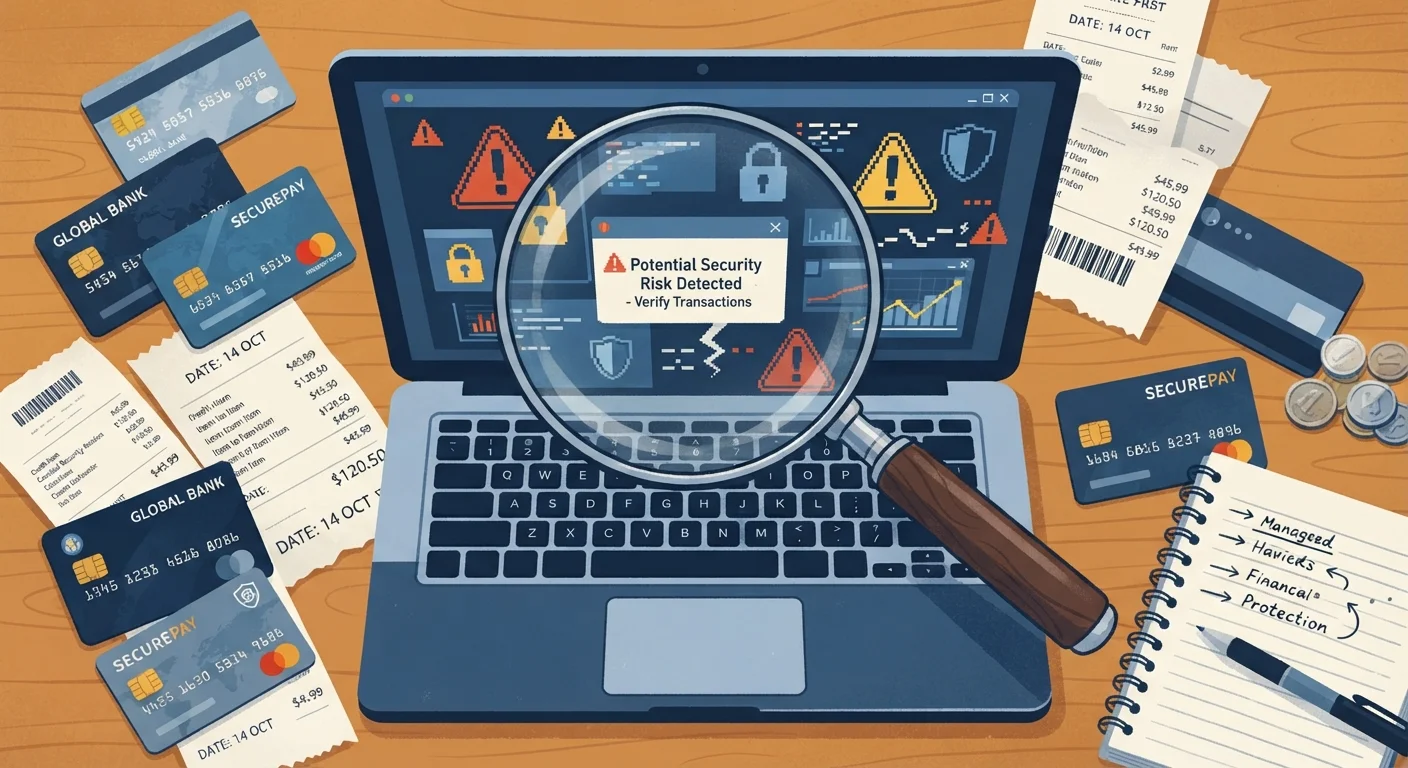
Consumer Fraud from Every Angle: Scam Types, Tactics, and Your Rights
An end-to-end resource covering how shopping scams work, the many forms they take, and what protections exist for American consumers.

How Scammers Exploit Urgency and Why Shoppers Keep Falling For It
Countdown timers, limited stock warnings, and flash-sale pressure are psychological tools. Here's how they work and how to pause before acting.
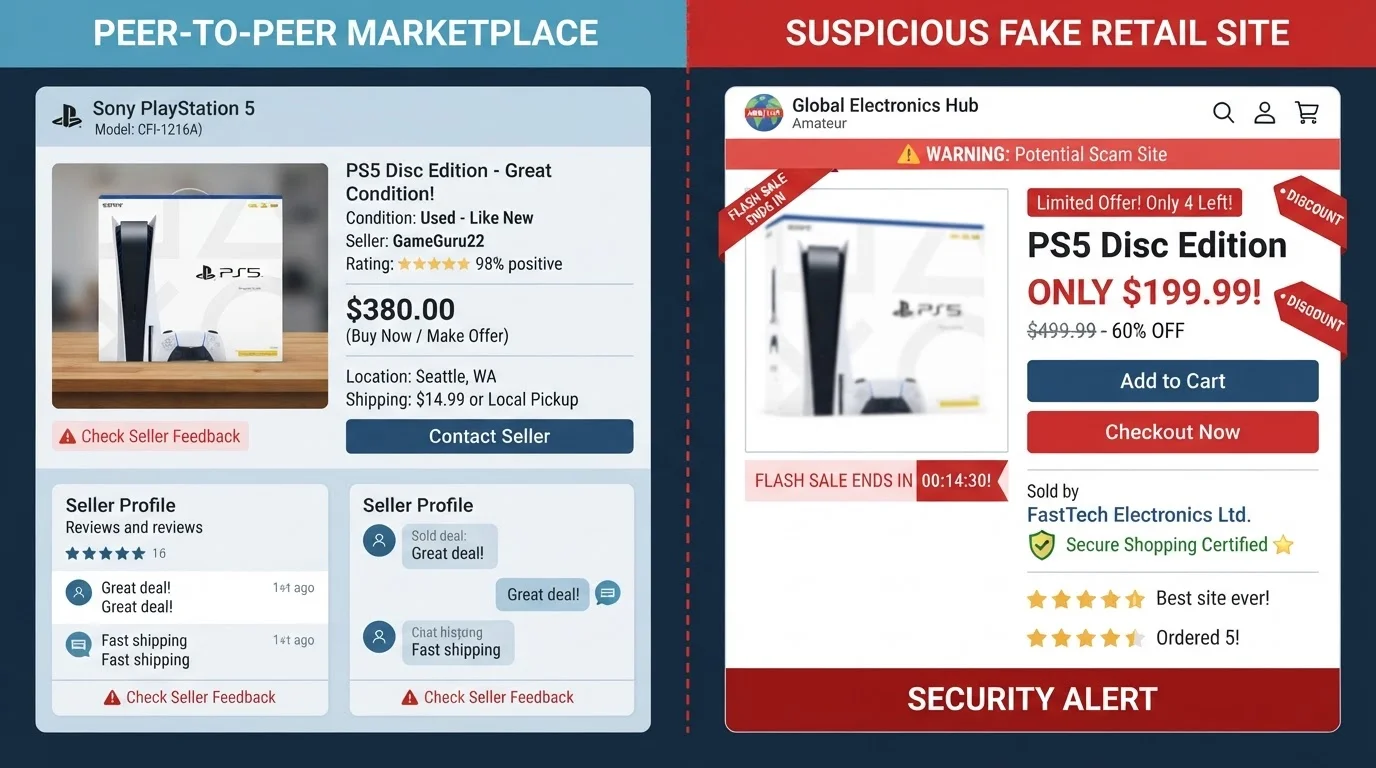
Marketplace Scams vs. Retail Website Fraud: Where the Risks Differ
Peer-to-peer marketplaces and fake storefronts carry different risks. Here's how the fraud looks different on each platform.
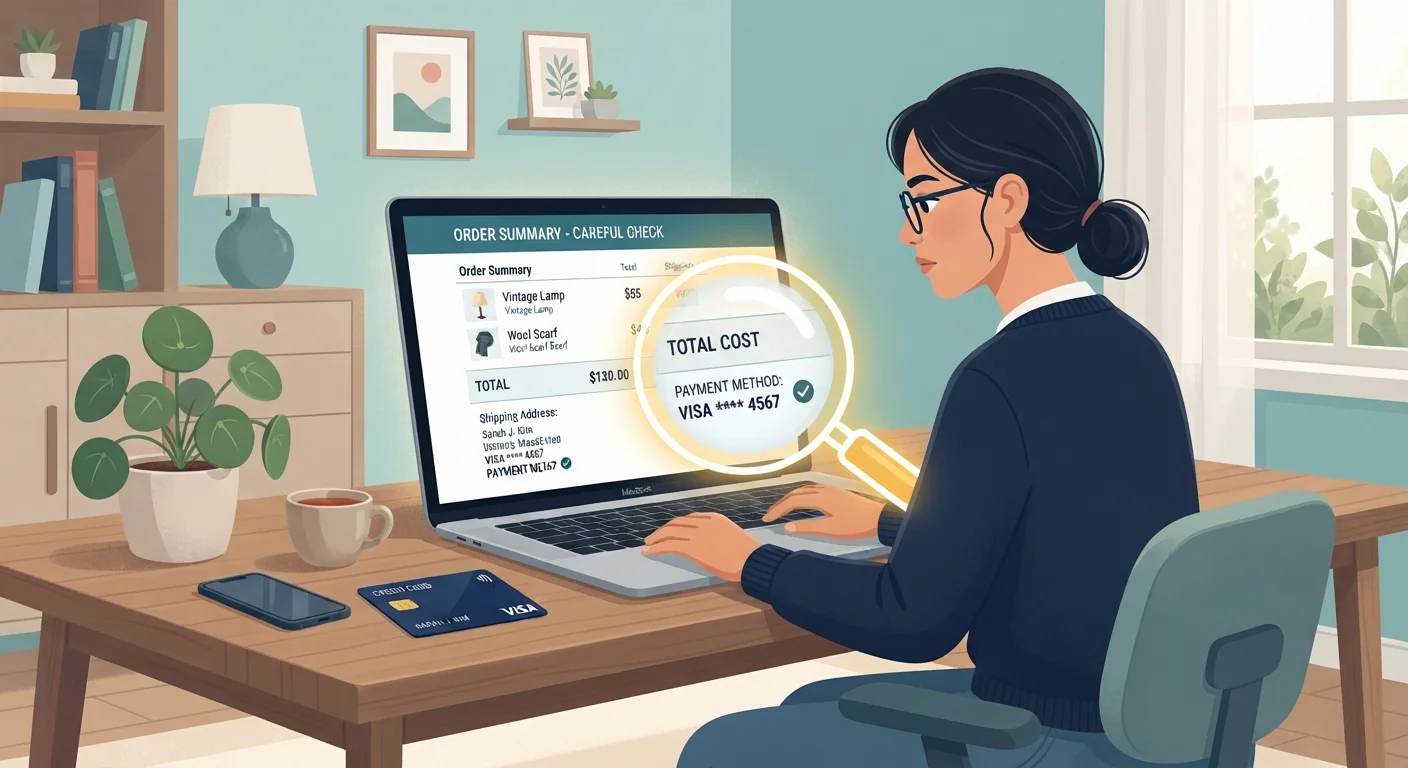
Online Shopping Scam Protection: A Field Guide for Everyday Buyers
A comprehensive introduction to recognizing, avoiding, and recovering from online shopping scams — written for shoppers with no prior experience.
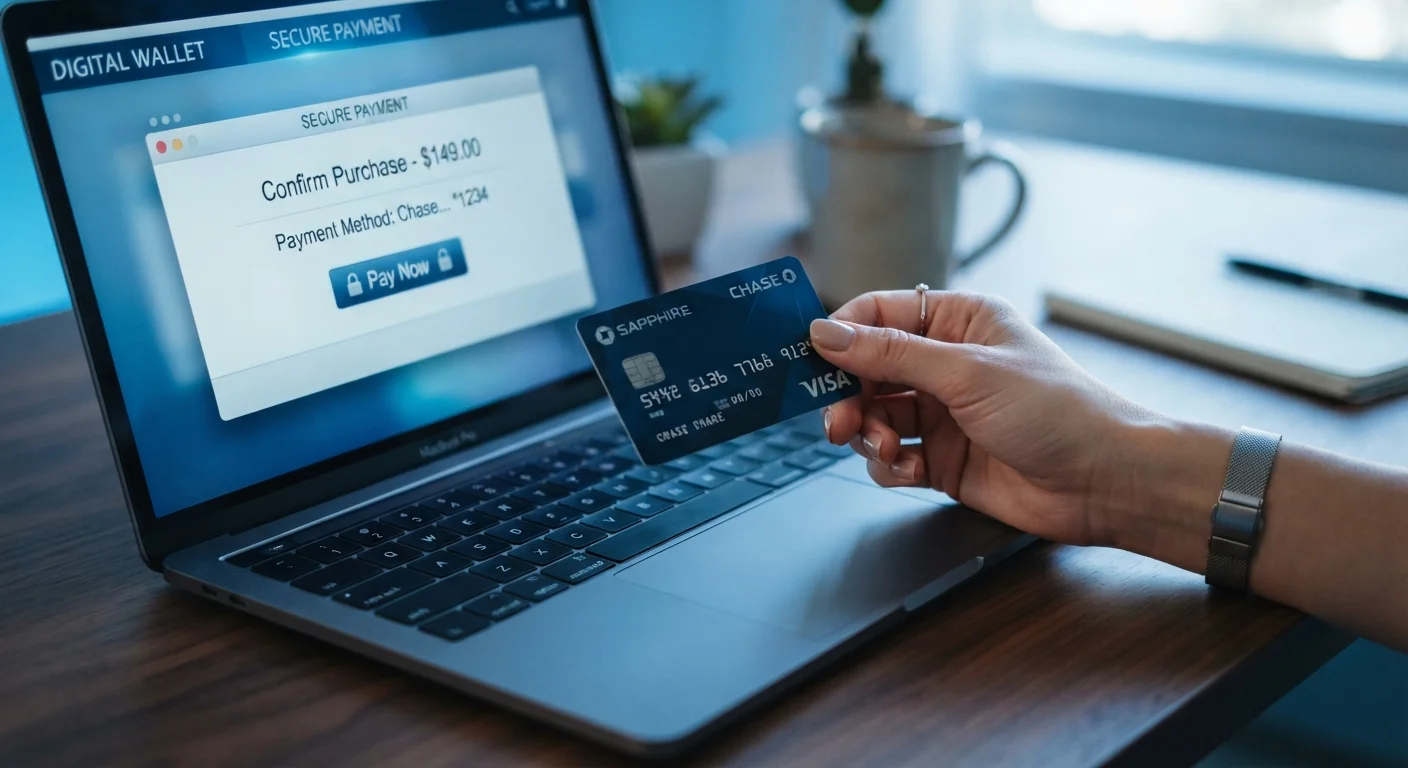
Paying Online Safely: Why the Method You Choose Matters More Than You Think
A side-by-side look at credit cards, debit cards, digital wallets, and wire transfers — and how each protects you differently if something goes wrong.

Phishing, Smishing, and Fake Order Confirmations: Scam Tactics Explained
A plain-language reference covering the most common digital fraud techniques used to steal payment information from online shoppers.
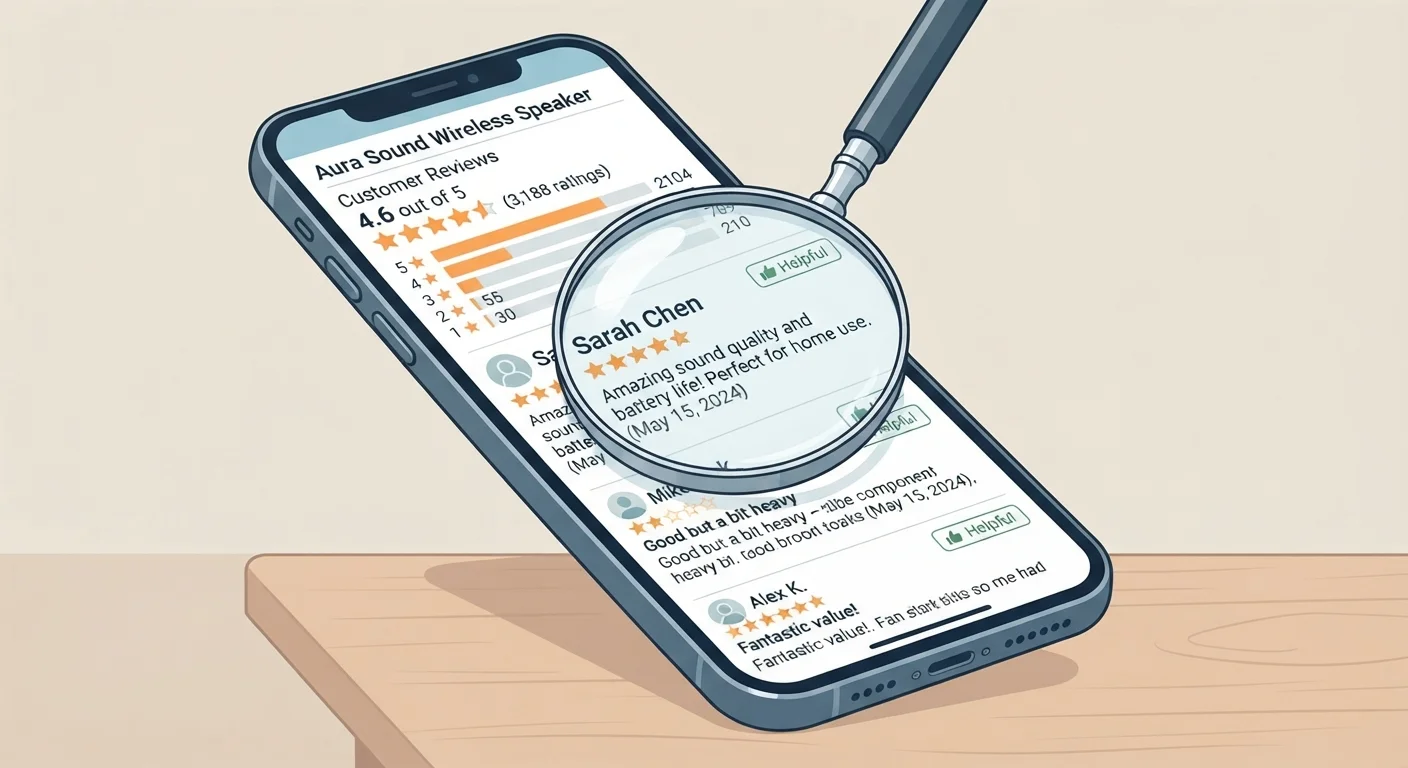
Reading Reviews the Right Way: Spotting Fake Feedback Before It Misleads You
Manipulated star ratings and paid testimonials are rampant. Learn the tells that distinguish genuine reviews from manufactured ones.
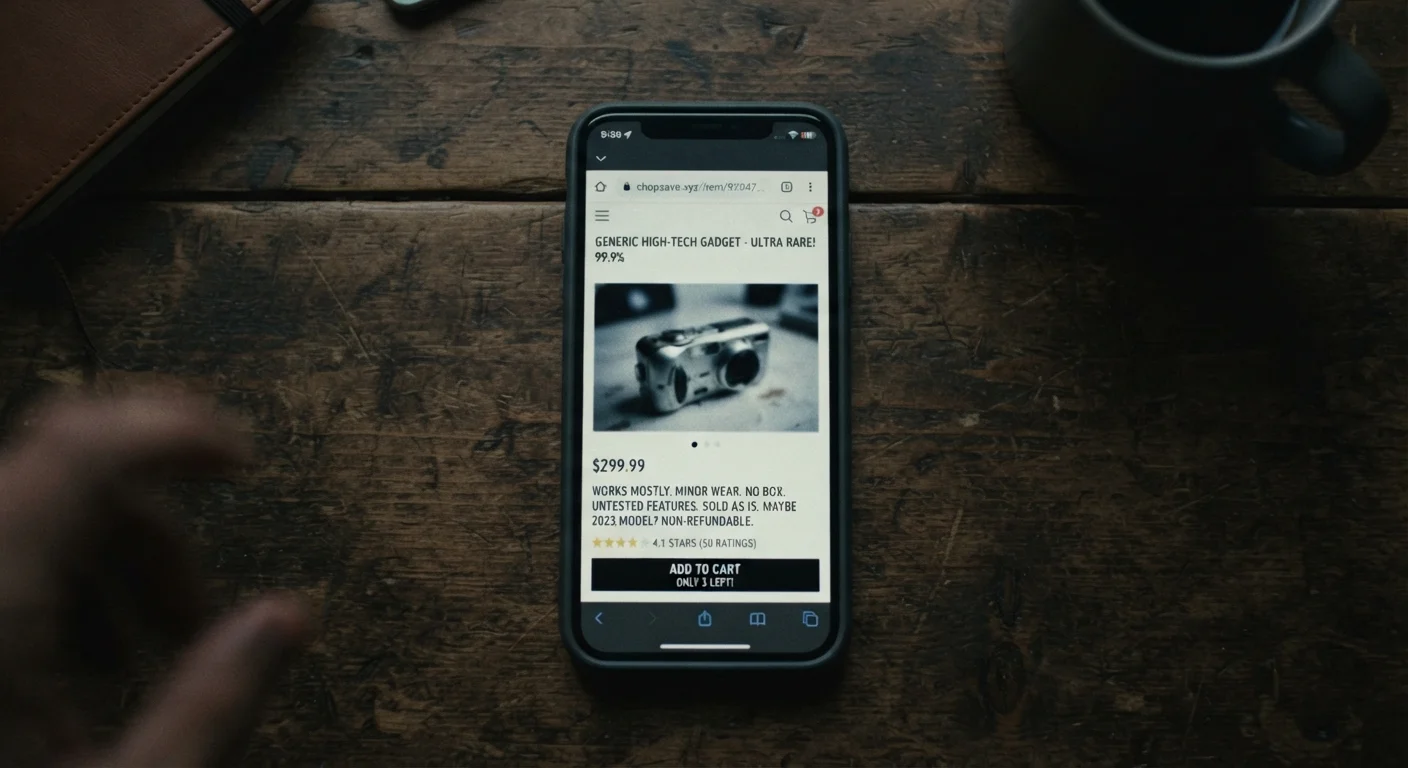
Red Flags Hidden in Plain Sight on Product Listings
From vague descriptions to stock photos and missing return policies, learn which listing details quietly signal a potential scam.
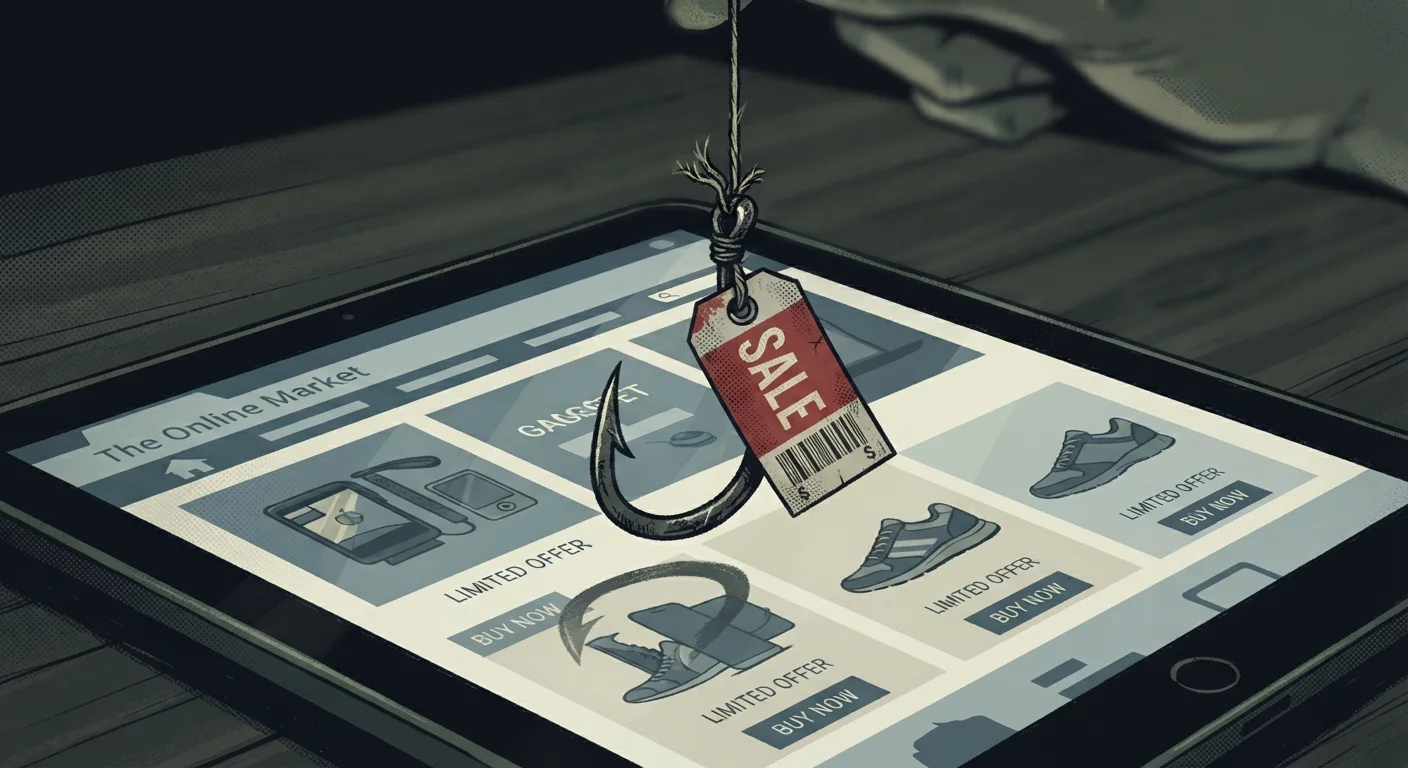
The Anatomy of a Consumer Scam: What Makes Fake Deals So Convincing
Understand the psychological tactics and structural tricks scammers use to make fraudulent offers look completely legitimate.
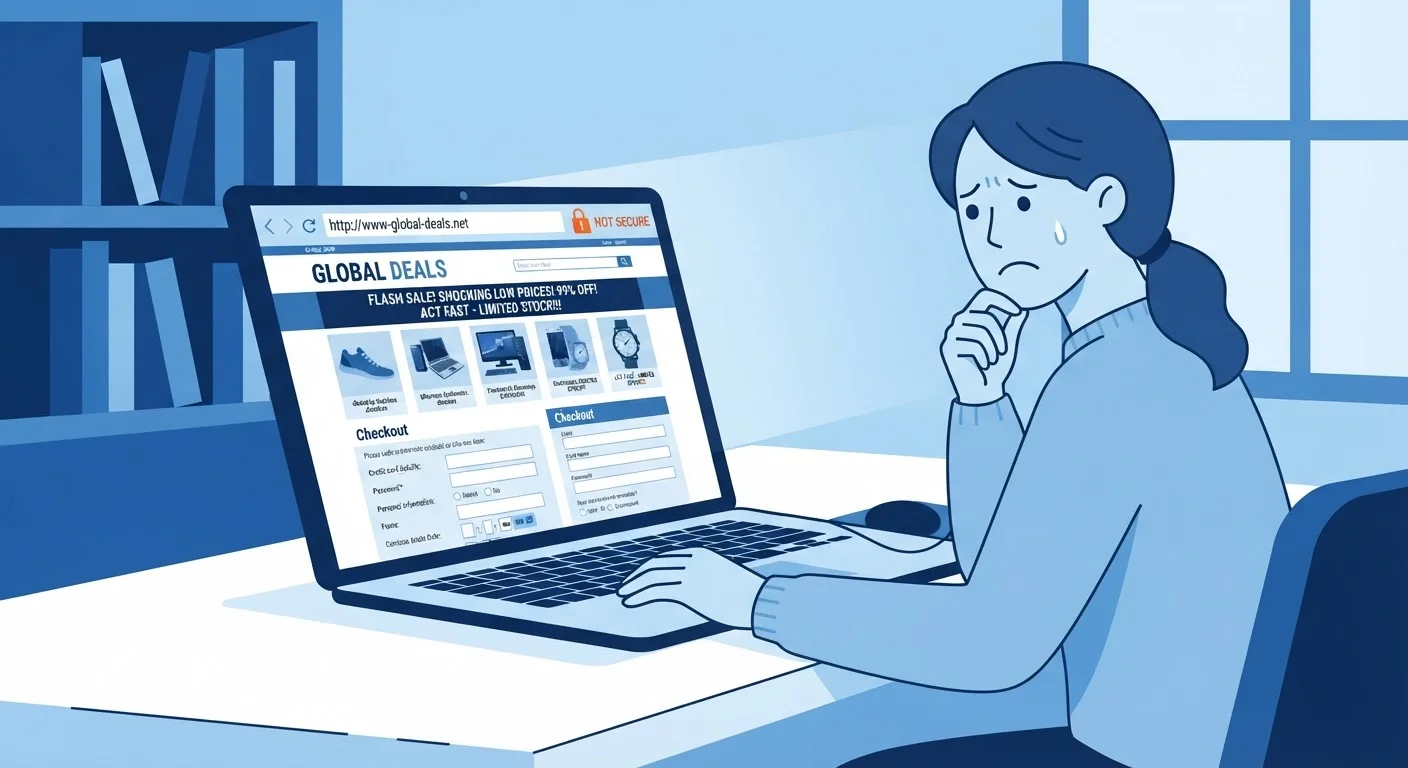
The Myths Shoppers Believe That Make Them Easy Targets
Debunking widespread misconceptions about online fraud — including why a padlock icon doesn't mean a site is safe to buy from.
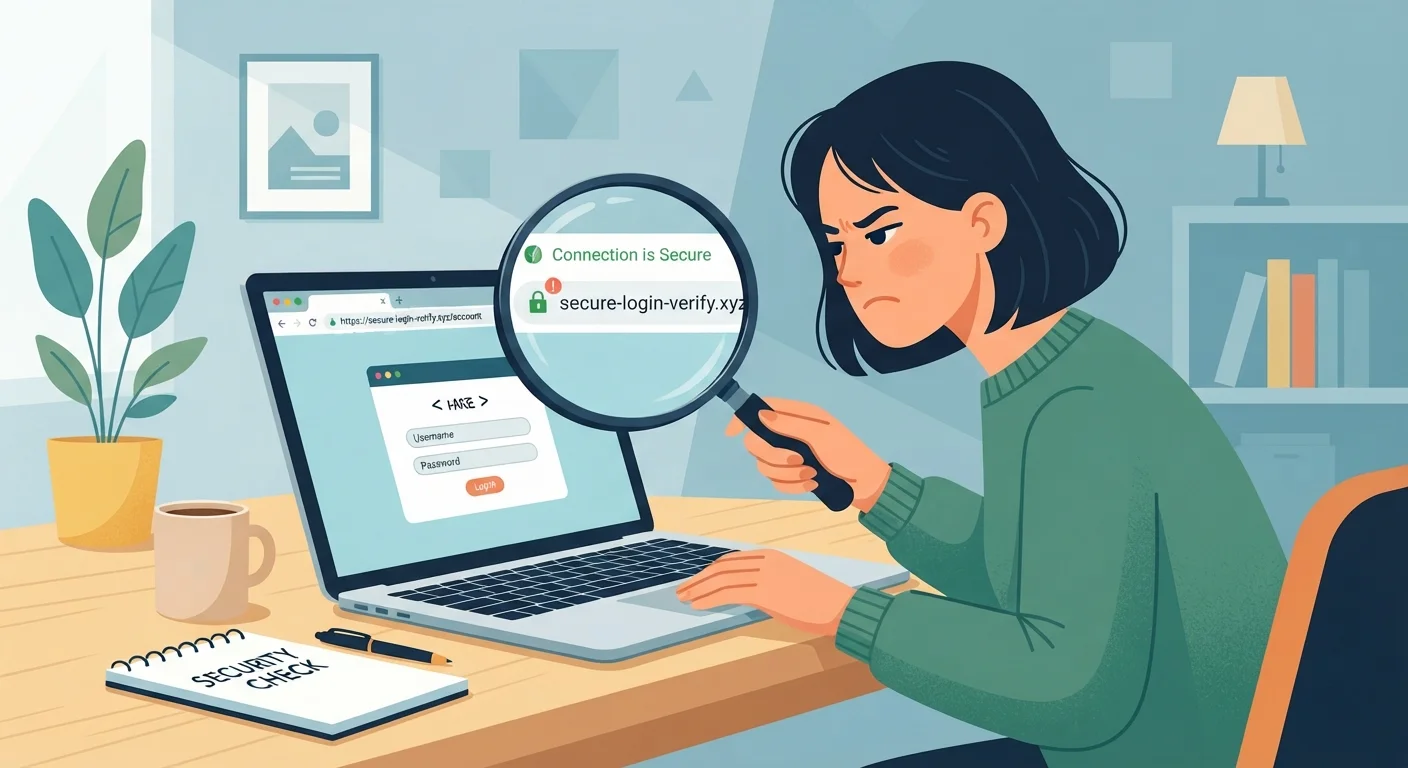
Trusting Your Gut Isn't Enough: Verifying an Unfamiliar Online Store
Learn concrete steps to research a store you've never heard of — domain age, contact details, reviews, and more — before entering payment info.

What to Do After You've Been Scammed
If a purchase turned out to be fraud, these are the steps to take immediately — from disputing charges to reporting the seller to the right agencies.

Why "Too Good to Be True" Is Usually Right
Explore why suspiciously low prices are one of the most reliable scam indicators and what's actually behind those jaw-dropping deals.

Budgeting Myths That Keep People Stuck Living Paycheck to Paycheck
Common beliefs about budgeting — like needing a high income to start — can quietly sabotage financial progress. Here's what the evidence actually shows.

Budgeting on an Irregular Income: Strategies That Actually Hold Up
Freelancers, gig workers, and seasonal earners face unique budgeting challenges. These practical approaches help smooth out income unpredictability.
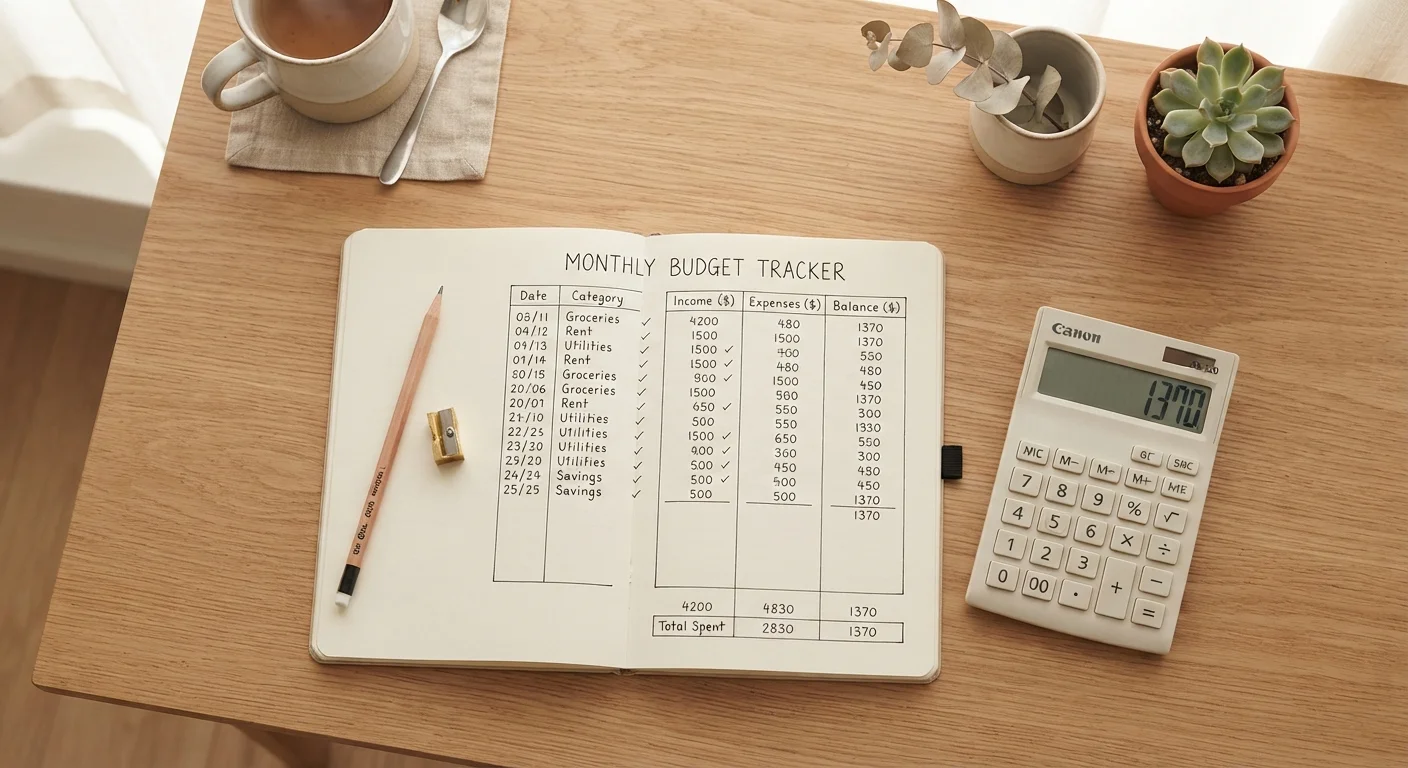
Building Your First Budget From Scratch
New to budgeting? This beginner-friendly guide walks through every step — from listing income to tracking spending — without assuming prior experience.
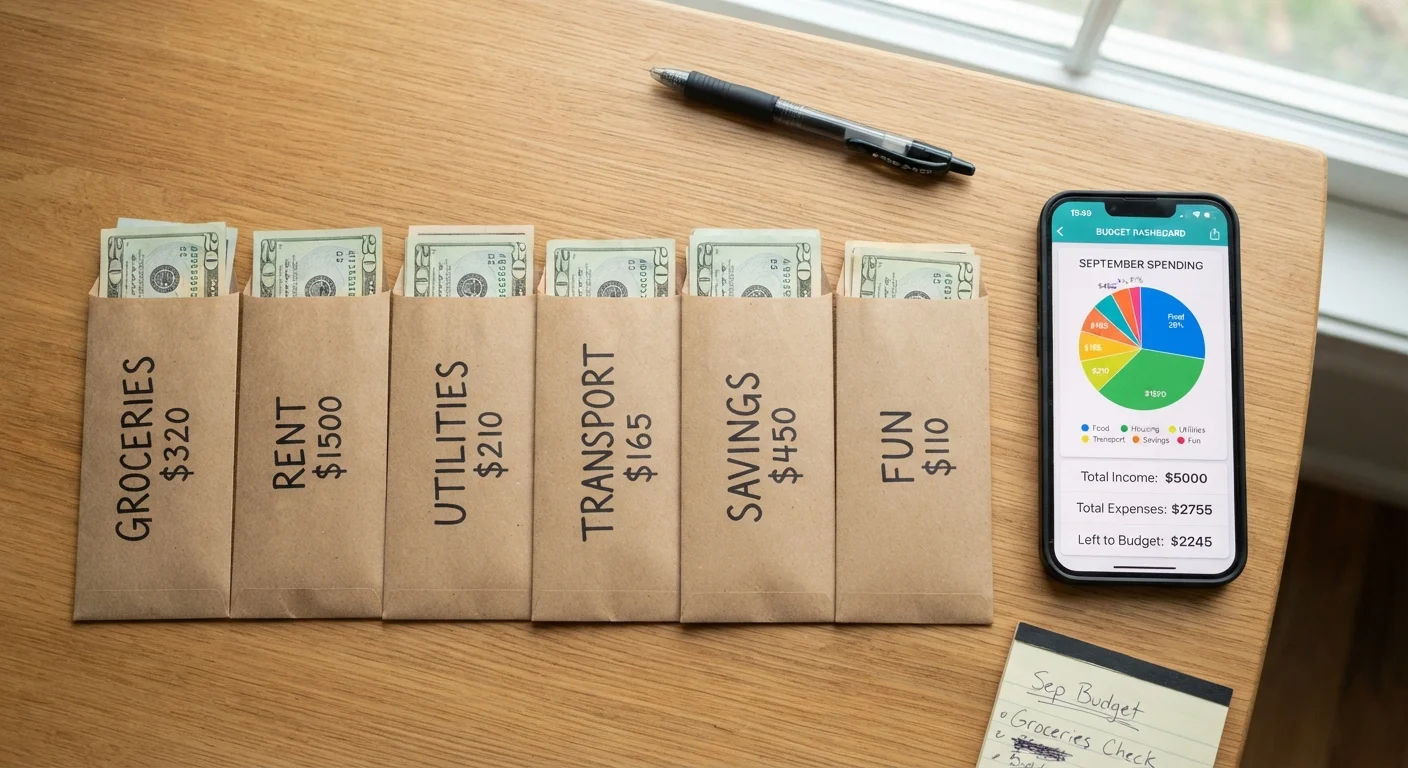
Envelope Budgeting vs. Digital Spending Trackers: Which Approach Fits Your Life?
Cash envelope budgeting and digital tracking apps take very different approaches to spending control. Here's how to weigh them for your habits.
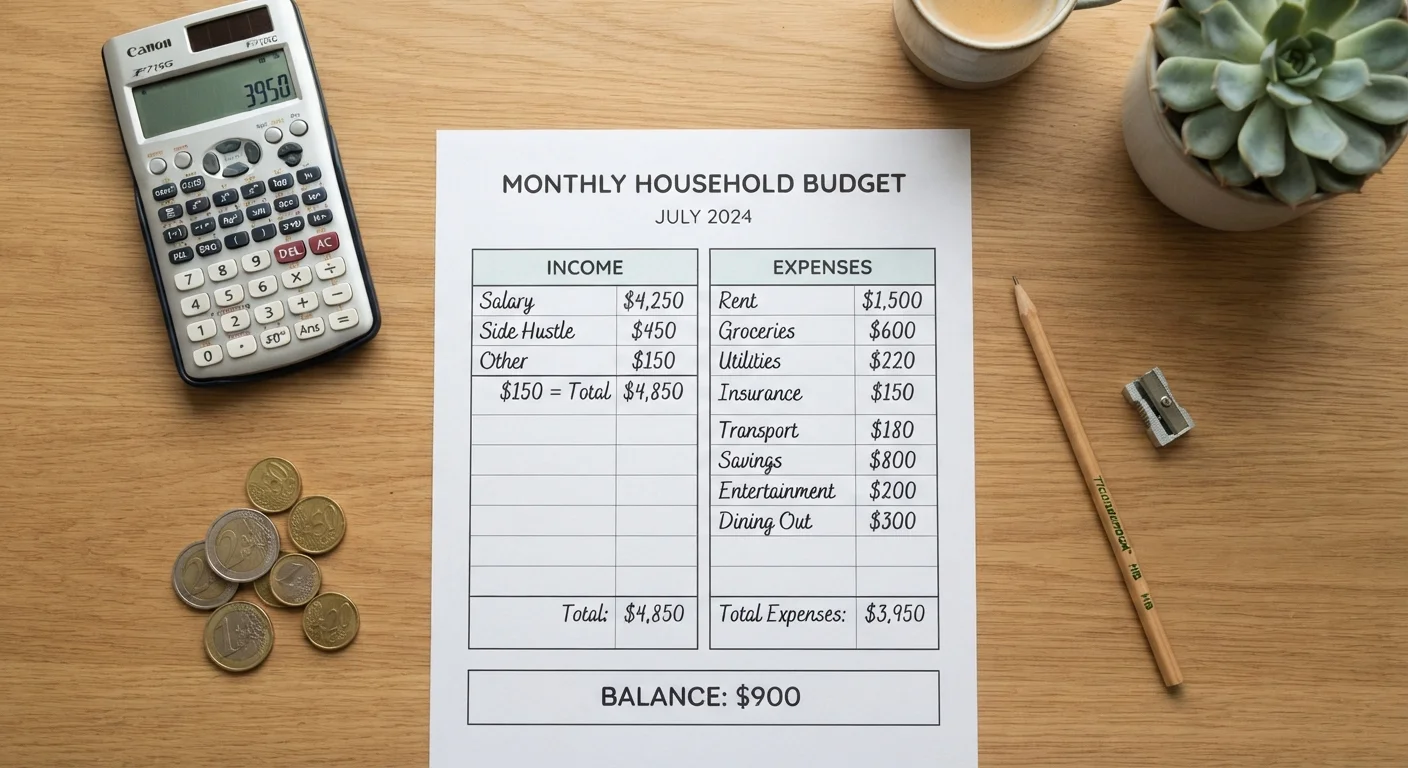
Fixed vs. Variable Expenses: How the Distinction Shapes Your Whole Budget
Fixed and variable expenses behave very differently in a budget. Learn what sets them apart and how to manage each category effectively.

Grocery Budgeting: Spending Less Without Eating Worse
Trimming a grocery bill doesn't have to mean lower quality meals. These evidence-based strategies help stretch your food budget without sacrificing nutrition.
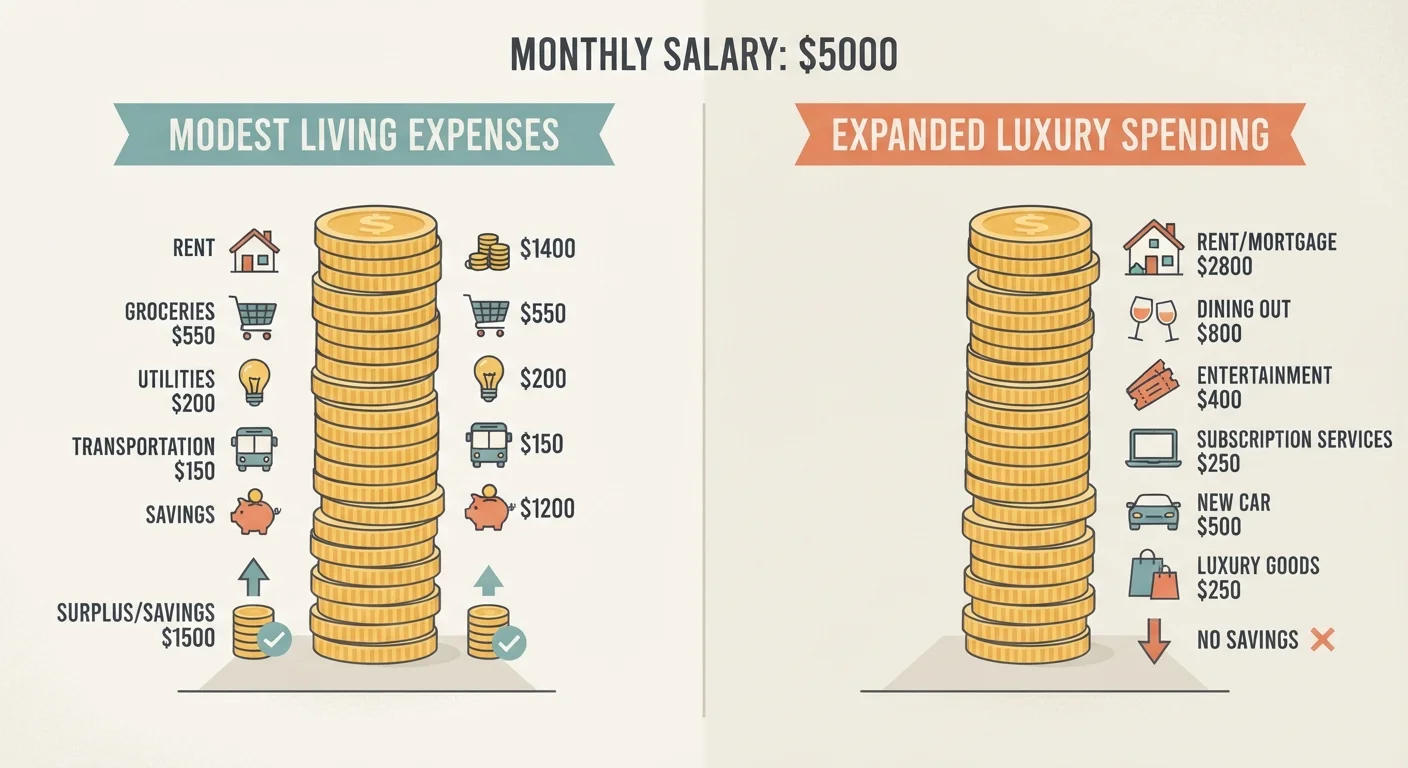
Lifestyle Inflation: What It Is and How It Quietly Erodes a Budget
As income rises, spending often rises with it — sometimes faster. Learn what lifestyle inflation is and how to recognize it in your own spending patterns.

Monthly Budget Checklist: What to Review Before Each New Month Starts
A practical end-of-month checklist to help you assess spending, adjust categories, and set realistic targets for the month ahead.
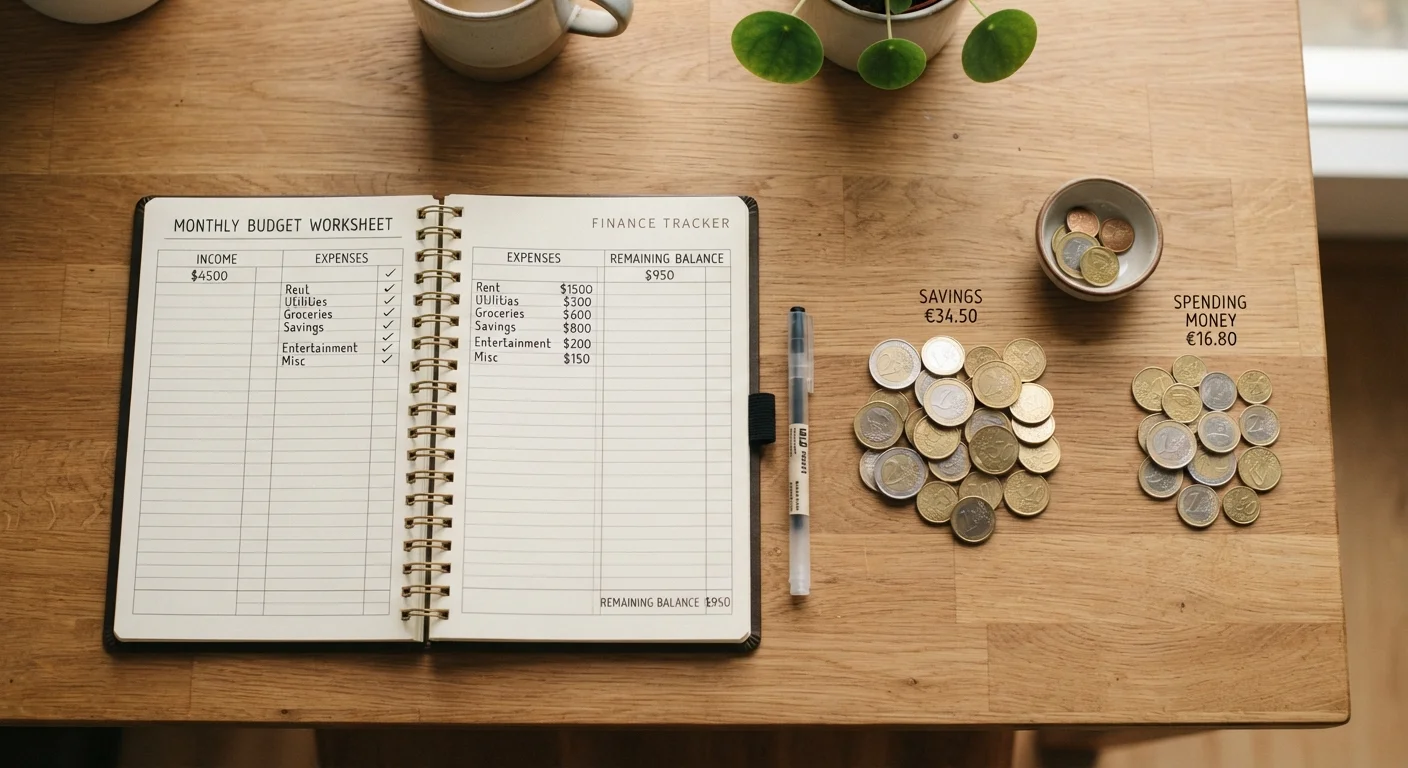
Needs vs. Wants: The Spending Distinction That Changes How You Budget
Understanding the difference between needs and wants is the foundation of smart budgeting. Here's how to apply that line to real spending decisions.
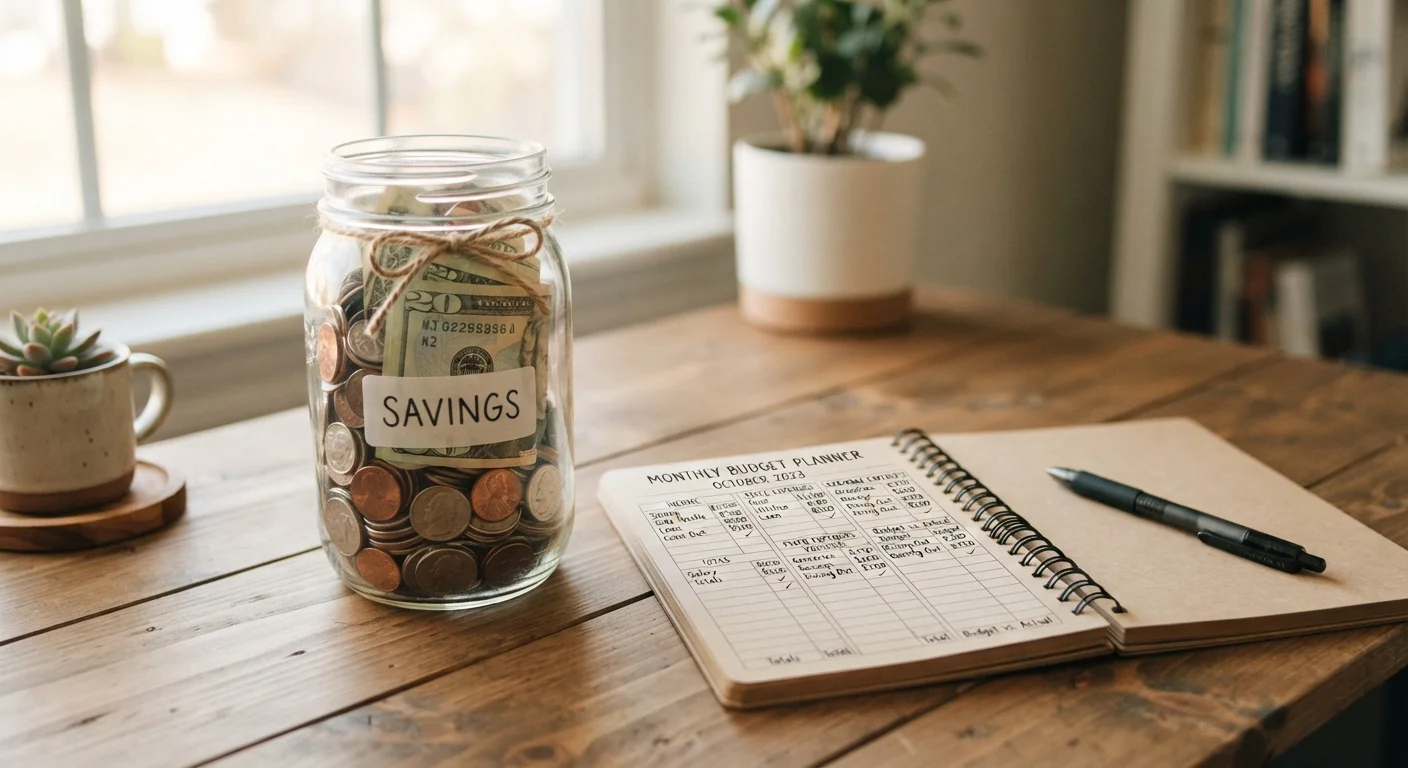
Sinking Funds: The Budgeting Tool That Prevents Financial Surprises
A sinking fund sets money aside gradually for predictable future expenses. Learn how they work and which spending categories benefit most.
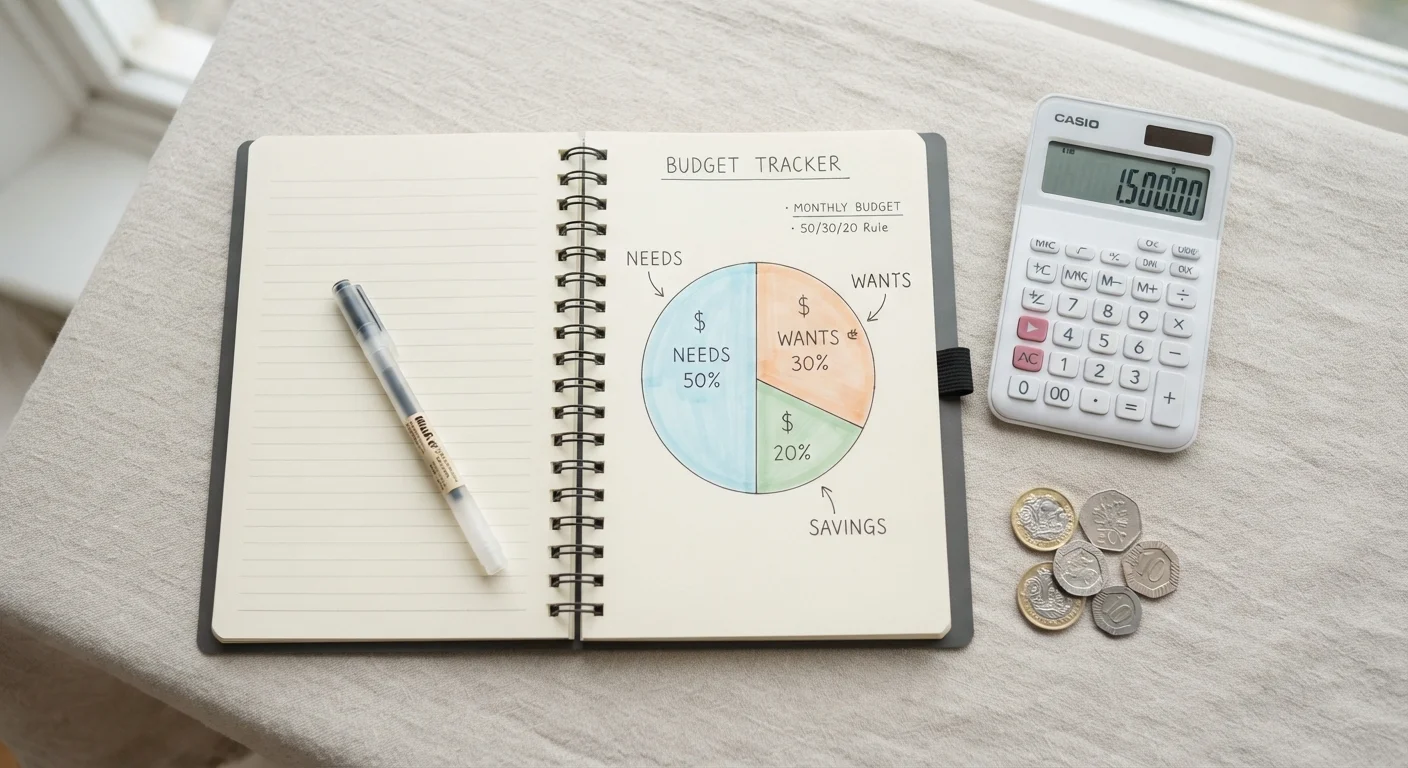
The 50/30/20 Rule: A Simple Framework for Everyday Budgeting
Discover how the 50/30/20 budgeting rule divides income into needs, wants, and savings — and whether it works for your financial situation.
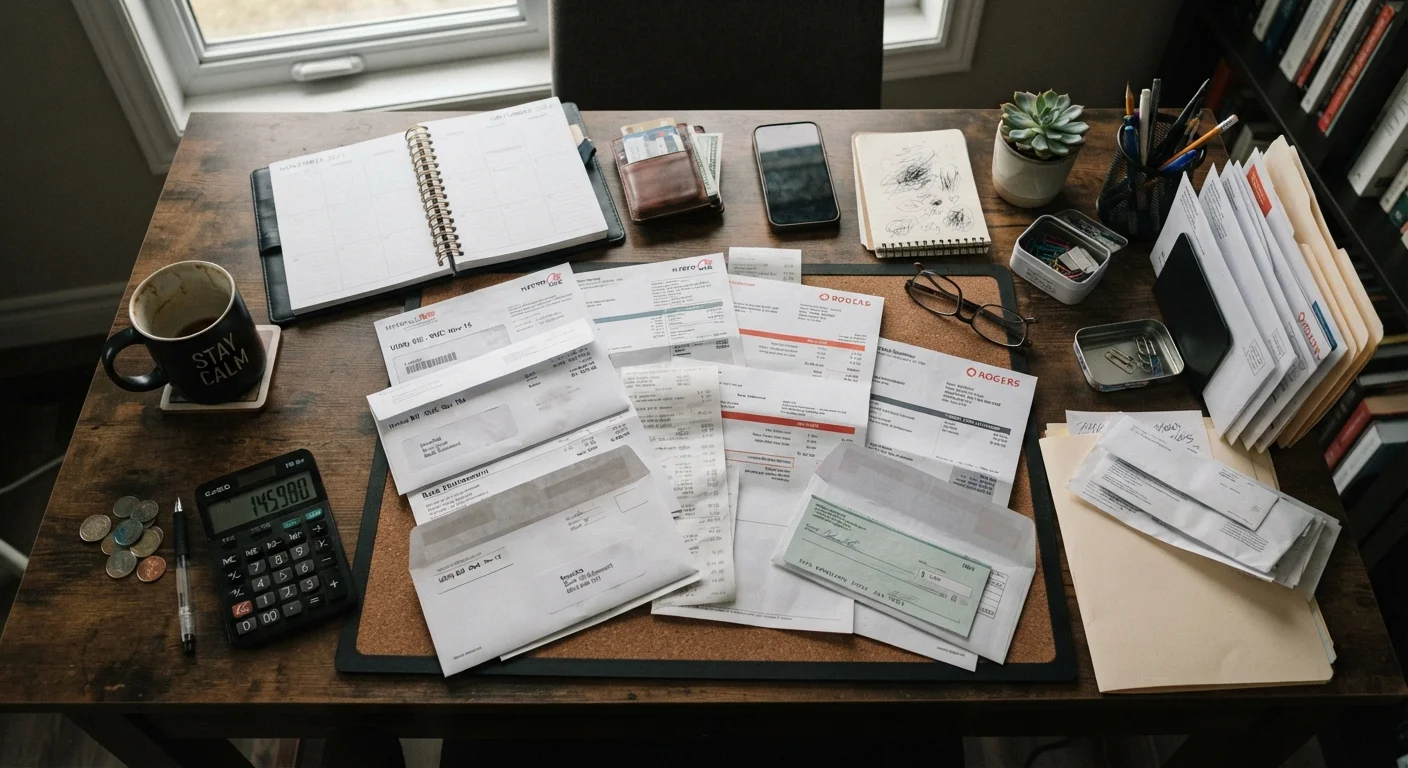
The Hidden Costs That Blow Up Even Careful Budgets
Annual fees, subscription renewals, and irregular bills catch many budgeters off guard. Here's a look at the expense categories most commonly overlooked.

The Honest Pros and Cons of Strict Budget Categories
Rigid spending categories offer clarity but can feel inflexible. A balanced look at the advantages and drawbacks of category-based budgeting systems.

Why Your Budget Keeps Failing in Month Two
Most people abandon a new budget within weeks. Understanding the behavioral and structural reasons behind that pattern helps you build one that lasts.
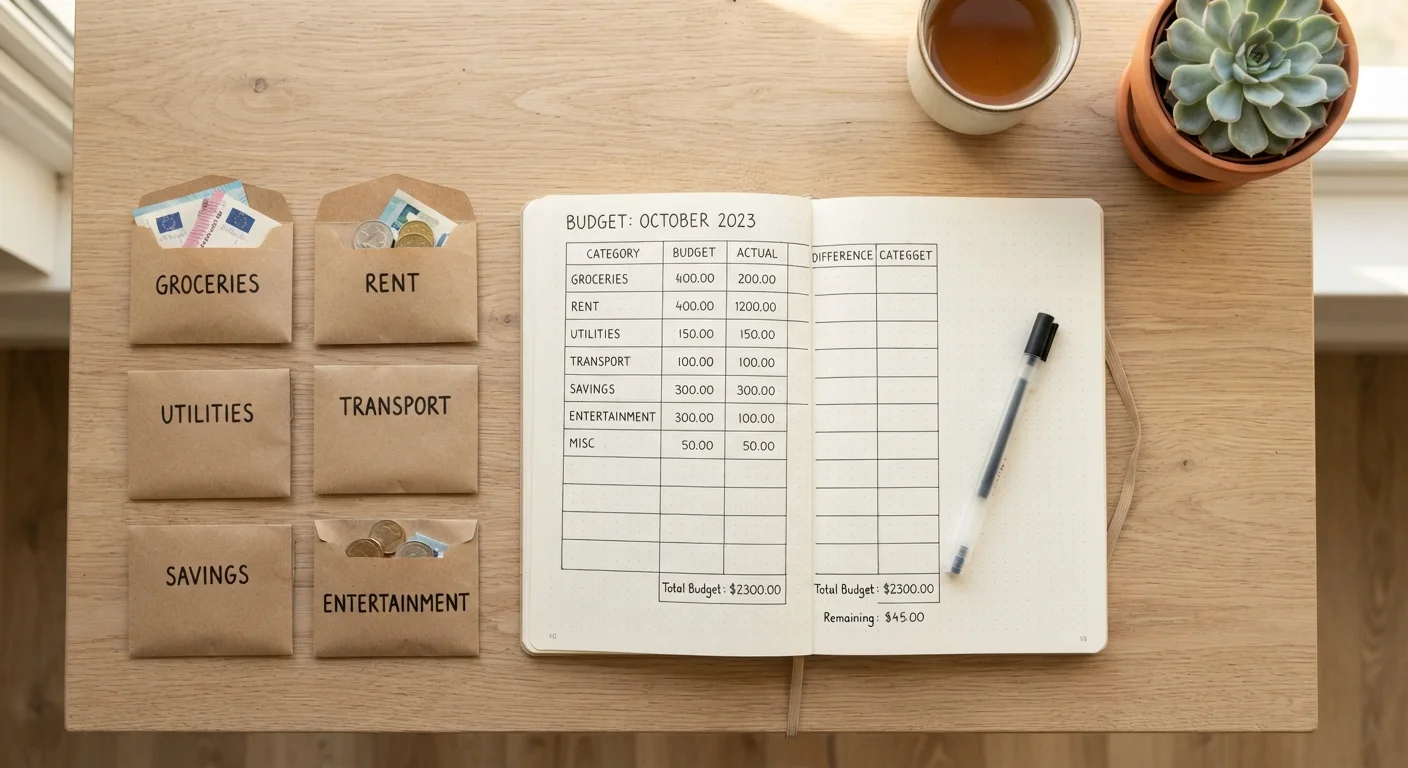
Zero-Based Budgeting: Giving Every Dollar a Job Before You Spend It
Learn how zero-based budgeting works, who it suits best, and how it differs from traditional monthly budgeting methods.