
Paying Online Safely: Why the Method You Choose Matters More Than You Think
A side-by-side look at credit cards, debit cards, digital wallets, and wire transfers — and how each protects you differently if something goes wrong.
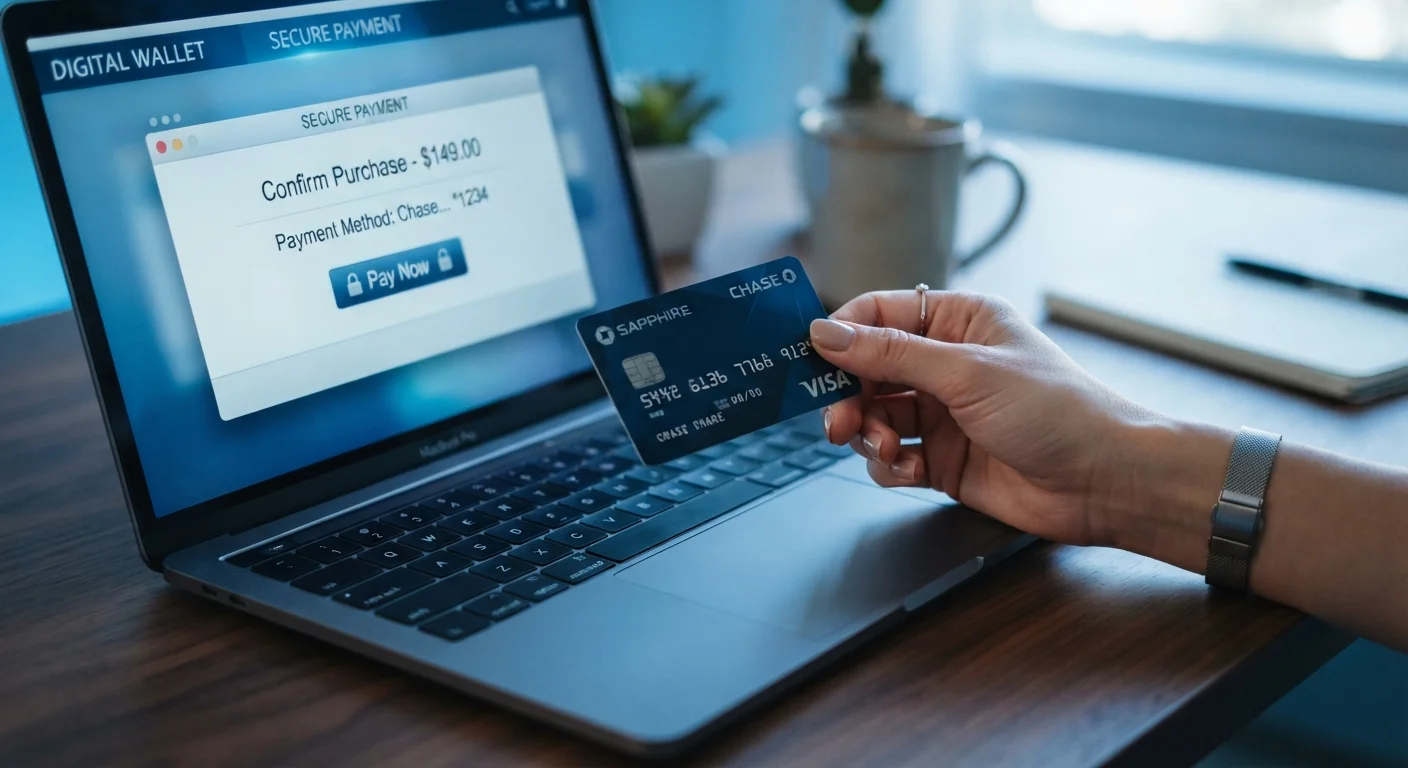
Photo: FaqsDrive.com | Smart Way To Search editorial
—— In This Article
Key Takeaways
- Credit cards offer the strongest legal fraud protections for online purchases under federal law.
- Debit cards connect directly to your bank account, making losses harder to recover quickly.
- Digital wallets add a layer of separation between your card details and the merchant.
- Wire transfers and peer-to-peer apps offer almost no recourse once money is sent.
- Matching your payment method to the transaction type is a practical fraud-defense habit.
The Hidden Risk in How You Pay
Most shoppers focus on whether a website looks legitimate before buying. Far fewer think about what happens after something goes wrong — and that's where payment method makes all the difference. The legal protections, dispute timelines, and liability limits attached to each payment type vary significantly. Choosing the wrong one for a given transaction can turn a $200 fraud loss into a months-long headache with no guarantee of recovery.
This isn't a hypothetical concern. The Federal Trade Commission consistently reports that online shopping tops the list of fraud categories by number of reports. If you're curious how scammers target shoppers in the first place, our field guide to online shopping scam protection walks through the full picture. But understanding how your payment method works is a separate — and equally critical — piece of the puzzle.
How the Four Main Payment Methods Stack Up
Here's a direct comparison of the four most common online payment options across the criteria that actually matter when fraud or a dispute occurs.
| Credit Card | Debit Card | Digital Wallet | Wire Transfer / P2P App | |
|---|---|---|---|---|
| Fraud liability limit | $50 max (often $0) | $50–unlimited (timing-dependent) | Inherits linked card's rules | Generally none |
| Dispute / chargeback option | Yes, strong federal backing | Yes, but limited window | Yes, via linked card | Rarely; usually irreversible |
| Account funds at immediate risk | No — credit extended | Yes — your cash directly | No — card details masked | Yes — funds leave instantly |
| Merchant sees real card number | Yes | Yes | No — tokenized | N/A |
| Recovery timeline if fraud occurs | Days to weeks | Days to weeks (if timely) | Days to weeks | Weeks to months or never |
| Recommended for unknown merchants | Yes | Use caution | Yes | No |
A few important clarifications on the table above:
- Credit card liability limits are governed by the Fair Credit Billing Act (FCBA). You're generally not responsible for unauthorized charges once you report them, and your maximum out-of-pocket liability for unauthorized use is $50 — often waived entirely by issuers.
- Debit card protections come from the Electronic Fund Transfer Act (EFTA), but timing matters enormously. Report unauthorized charges within two business days and your liability cap is $50. Wait longer than 60 days after your statement is sent and you could lose everything taken after that point.
- Digital wallets (like Apple Pay or Google Pay) generate a one-time virtual card number for each transaction, so the merchant never sees your real card details. The underlying card's protections still apply.
- Wire transfers and peer-to-peer apps (like Zelle or Venmo) are designed for speed, not reversibility. Once sent, the money is almost always gone.
Never Wire Money to Complete an Online Purchase
If a seller or website asks you to pay via wire transfer, bank transfer, or a peer-to-peer app like Zelle for a retail purchase, treat that as a serious red flag. Legitimate online retailers do not require these methods. Once a wire transfer or P2P payment is sent, most financial institutions have no mechanism to reverse it — even if fraud is confirmed shortly after.
When to Use Each Method — and When to Avoid It
Knowing the protections is only useful if you apply them situationally. Here's a practical framework:
Use a credit card for:
- Purchases from stores you haven't bought from before
- High-value items like electronics, furniture, or travel bookings
- Subscriptions where you may need to dispute a charge later
Consider a digital wallet for:
- Any purchase where you'd rather not hand over your real card number
- Checkout on mobile where physical card entry is cumbersome
Reserve debit cards for:
- Established merchants you have a long history with
- Transactions where the amount is small and the risk is low
Avoid wire transfers and P2P apps unless:
- You personally know the recipient
- The transaction is not commerce-related (splitting a dinner bill, not buying a product)
Verifying an unfamiliar online store before entering any payment information is a smart first step regardless of which method you use. And if you're curious why so many shoppers underestimate these risks, common myths that make shoppers easy targets are worth understanding too.
Check Your Card's Virtual Number Feature
Many major card issuers offer virtual card numbers — single-use or merchant-locked numbers generated from your real account. These work like a digital wallet layer without requiring a separate app. Check your issuer's website or mobile app to see if this feature is available to you. Using one for unfamiliar merchants adds a meaningful layer of protection at no extra cost.
One Habit That Costs Shoppers Their Protection
Even the strongest payment protections can be undermined by one common habit: using a debit card or bank transfer because it feels more "responsible" than credit. Many consumers avoid credit cards out of concern about debt, which is a reasonable instinct — but it shouldn't extend to online purchases with unknown merchants. Using a credit card and paying the balance in full each month gives you the fraud protections of credit without carrying any interest cost.
Another underappreciated risk: overconfidence and brand familiarity bias lead people to skip their normal caution with familiar-looking sites. A polished website is not a guarantee of security. Pair your payment choice with good verification habits — they work together, not independently. For broader context on how smart financial habits intersect with consumer safety, see our piece on where automated financial tools can backfire.
This article is for general informational purposes only and does not constitute financial or legal advice. Consumer protection rules may vary; consult your card issuer or a qualified financial professional for guidance specific to your situation.

Smart Shopping Editorial Team
Smart Shopping Editorial Team is the collective byline for our editorial team and contributor network. Articles published under this byline or an editorial pen name are researched, written, and reviewed according to our editorial standards for clarity, consistency, and independence before publication.
View author profile