
Certifications and Standards That Actually Mean Something
UL, Energy Star, OEKO-TEX, NSF — a plain-language guide to recognizable third-party certifications and what they verify about a product.
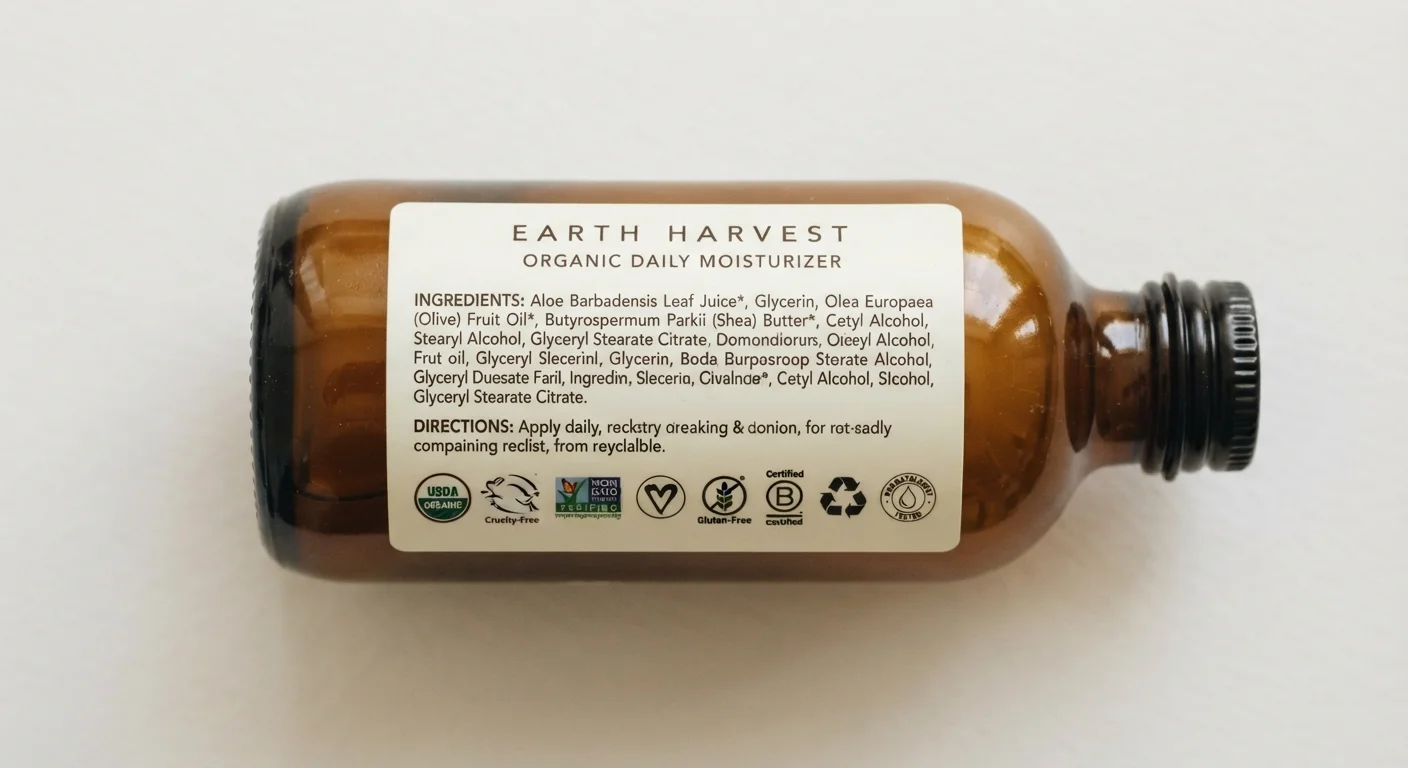
Photo: FaqsDrive.com | Smart Way To Search editorial
—— In This Article
Why Certifications Matter More Than Marketing Claims
Walk through any store — or scroll any product page — and you'll encounter a flood of self-declared labels: "premium quality," "eco-friendly," "doctor-recommended." None of those phrases are regulated. Anyone can print them. Third-party certifications are different: they represent testing, auditing, or verification by an organization with no financial stake in whether you buy the product. Understanding what product claims actually mean is the first step — knowing which certifications carry real weight is the next.
Not all certification marks are equal, either. Some require rigorous independent lab testing. Others are essentially paid memberships or self-reported checklists. The sections below focus on widely recognized programs that apply documented, enforceable standards.
| UL founded | 1894 (Underwriters Laboratories) |
| ENERGY STAR program start | 1992 (U.S. Environmental Protection Agency) |
| OEKO-TEX STANDARD 100 substances tested | 100+ (OEKO-TEX Association) |
| USDA Organic threshold for "Organic" label | 95% organic ingredients (USDA Agricultural Marketing Service) |
| WaterSense efficiency improvement | At least 20% vs. average (U.S. EPA WaterSense program) |
Key Certifications by Product Category
Safety & Electrical
- UL (Underwriters Laboratories): One of the oldest and most recognized safety certification bodies in the U.S. A UL mark on a product means it has been independently tested against specific safety standards for its category — not that it's the highest quality, but that it won't burn your house down under normal use.
- ETL Listed: Issued by Intertek, this is a nationally recognized alternative to UL listing. Products carrying the ETL mark meet the same ANSI/UL standards; many manufacturers choose ETL simply for cost or speed reasons.
Energy Efficiency
- ENERGY STAR: A U.S. EPA program certifying that appliances, electronics, and even buildings meet energy-efficiency thresholds above the federal minimum. Certification requires independent testing. Look for it on refrigerators, washers, computers, and HVAC equipment.
Water & Food Contact
- NSF International: NSF certifies products that contact drinking water (filters, faucets, pipes) and food-preparation surfaces. An NSF/ANSI standard number on a filter, for example, specifies exactly which contaminants it has been tested to reduce.
- WaterSense: An EPA partnership program for water-efficient plumbing fixtures. Products must be at least 20% more efficient than average and perform comparably to standard models.
Textiles & Apparel
- OEKO-TEX STANDARD 100: Tests textiles for harmful substances — dyes, pesticides, heavy metals — at every stage of production. Each certificate includes a unique number you can verify on the OEKO-TEX website.
- GOTS (Global Organic Textile Standard): Covers both the organic status of raw fibers and the environmental and social criteria applied throughout manufacturing. Stricter than many "organic" label claims on their own.
Organic Food
- USDA Organic: Regulated by the U.S. Department of Agriculture. "100% Organic" and "Organic" (95%+ organic ingredients) are legally defined and require certification by an accredited agent. "Made with Organic Ingredients" (70%+) is a lower threshold — check the label tier.
Third-party certification
Verification of a product's claims or safety by an independent organization that is neither the manufacturer nor the buyer. Independence is what gives the certification its credibility.
ANSI standard
A benchmark developed by the American National Standards Institute. Many U.S. safety and performance certifications reference specific ANSI standards to define what is being tested and how.
Accredited certifier
A certification body that has itself been evaluated and approved by a recognized authority to issue a particular mark. Not all organizations that issue logos are accredited.
Self-certification
When a manufacturer tests its own products and declares compliance with a standard without independent verification. This carries far less weight than third-party certification.
When evaluating any unfamiliar certification, two questions cut through the noise: Who issues it, and what does the verification process actually require? Independent testing organizations approach quality very differently than advertising does — and the same logic applies to certification bodies.
How to Verify a Certification Is Real
Counterfeit and misleading certification marks do exist. Before assuming a logo on packaging is legitimate, take 60 seconds to check:
- Look up the issuing body's registry. ENERGY STAR, NSF, OEKO-TEX, and USDA Organic all maintain searchable public databases. If the product or manufacturer doesn't appear, the mark may be fabricated.
- Check that the standard number matches the claim. NSF, for example, certifies different things under different standard numbers. NSF/ANSI 42 covers aesthetic effects; NSF/ANSI 53 covers health effects. A filter certified only under 42 has not been tested to reduce lead.
- Distinguish between "certified" and "certified ingredients" or "meets the standards of." The latter phrases often appear on uncertified products trying to borrow credibility.
This same critical eye applies across all product types. Evaluation priorities shift depending on the product type, and so do the certifications worth seeking out. For textiles, OEKO-TEX matters. For kitchen appliances, UL and ENERGY STAR are more relevant. For online purchases where you can't inspect the product in person, verifying certifications is one of the few objective signals available.
"Meets the Standards Of" Is Not the Same as Certified
Some product listings use phrases like "designed to meet NSF standards" or "manufactured to ENERGY STAR specifications." These are marketing phrases, not certification claims. Only products that have been independently tested and listed in the certifying body's official registry can legitimately display the certification mark. When in doubt, search the issuing organization's public database directly.

Smart Shopping Editorial Team
Smart Shopping Editorial Team is the collective byline for our editorial team and contributor network. Articles published under this byline or an editorial pen name are researched, written, and reviewed according to our editorial standards for clarity, consistency, and independence before publication.
View author profile