
Zero-Based Budgeting: Giving Every Dollar a Job Before You Spend It
Learn how zero-based budgeting works, who it suits best, and how it differs from traditional monthly budgeting methods.
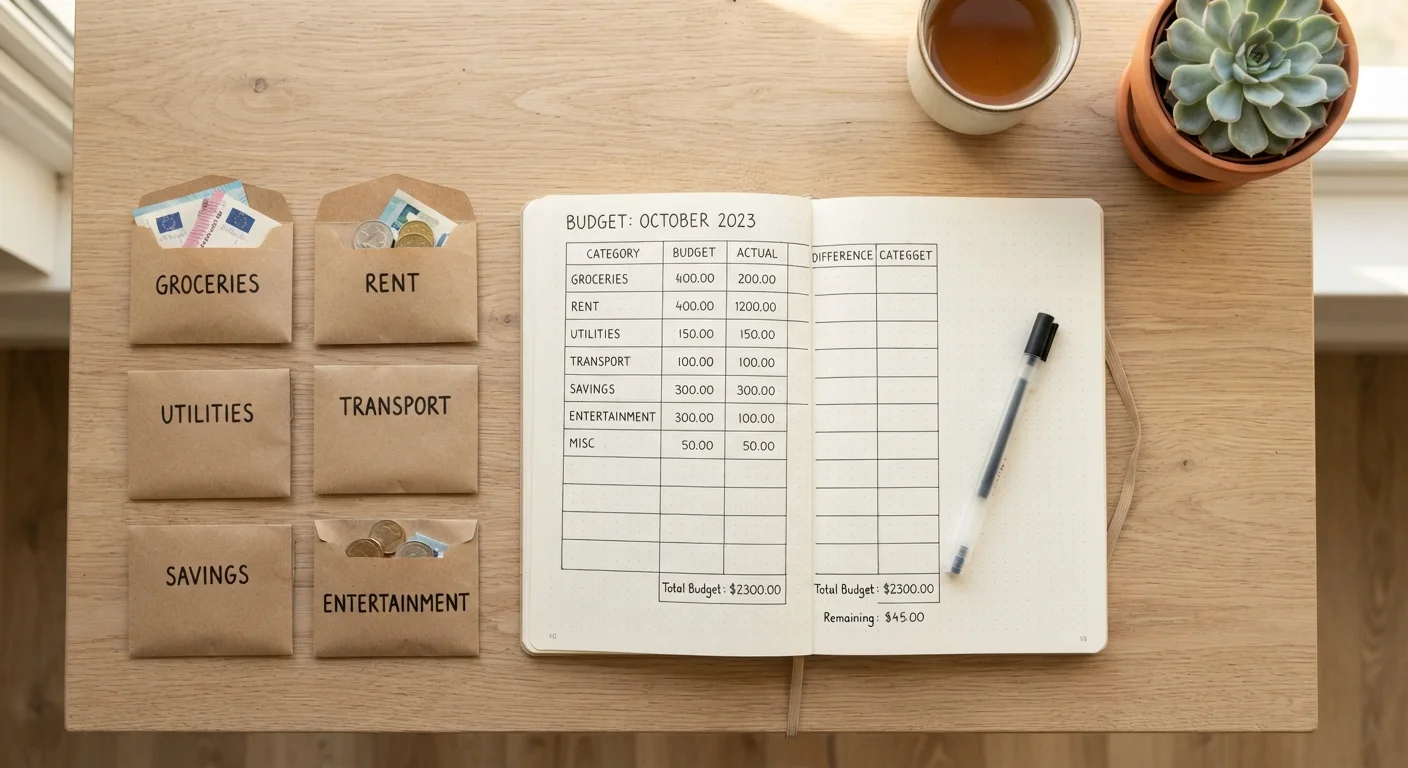
Photo: FaqsDrive.com | Smart Way To Search editorial
—— In This Article
Key Takeaways
- Zero-based budgeting assigns every income dollar to a named category before spending begins.
- It differs from traditional budgeting by requiring active justification for each expense category each month.
- ZBB works best for people with variable spending, irregular income, or specific debt-payoff goals.
- The method requires more setup time than percentage-based approaches but offers greater spending visibility.
- You rebuild the budget from scratch each month, so it adjusts naturally to life changes.
What Makes Zero-Based Budgeting Different
Most people budget by looking backward — checking last month's bank statement and hoping this month goes a little better. Zero-based budgeting flips that. You start each month with your expected income, then deliberately assign every dollar before it gets spent.
Traditional budgets often carry forward last month's spending patterns unchanged. ZBB requires you to justify each category from scratch. That might sound tedious, but it's exactly what makes it powerful: you're forced to ask whether each dollar is going where you actually want it to go, rather than where habit sends it.
For a broader look at how this compares with other popular frameworks, see how ZBB stacks up against the 50/30/20 rule and the envelope method.
~$500
Average monthly savings from new budgeters
According to the National Foundation for Credit Counseling, consumers who begin actively tracking and planning spending often identify hundreds of dollars per month in previously invisible expenditures.
65%
Americans without a detailed monthly budget
Gallup polling has consistently found that a majority of U.S. adults do not maintain a detailed household budget, relying instead on informal spending habits.
How to Build a Zero-Based Budget
The mechanics are straightforward. Start by writing down your total expected take-home income for the month. Then list every category you plan to spend money in — rent, groceries, utilities, transportation, subscriptions, dining out, clothing, savings, emergency fund, debt payments, and anything else that applies to your life.
Assign a dollar amount to each category. Keep subtracting from your income total as you go. When income minus all assigned categories equals exactly zero, your budget is complete. If you reach zero with money still unallocated, assign those dollars to savings or debt. If you go over your income, trim categories until the math balances.
Start With Last Month's Bank Statement
Before creating your first ZBB, download three months of bank and credit card statements and tally what you actually spent in each category. Use real numbers as your starting point rather than aspirational guesses — aspirational budgets rarely survive the first week. Adjust from reality, not from wishful thinking.
If you've never built a spending plan before, our step-by-step first budget guide walks through the foundational process in plain language before you layer in ZBB specifics.
Who Benefits Most From This Method
Zero-based budgeting particularly suits people who feel like money disappears without explanation. When you must assign every dollar a name, surprise overspending becomes much harder to ignore — the budget tells you exactly which category absorbed the extra spending.
It also works well for households paying down debt aggressively or building savings toward a specific goal. Because you designate savings and debt payments as deliberate line items — not whatever happens to be left over — they become non-negotiable before discretionary spending even enters the picture. For practical strategies on managing debt alongside a tight budget, the Saving & Debt hub offers focused guidance.
ZBB is less natural for people who want a low-maintenance approach. It demands active monthly rebuilding, which some find freeing and others find draining. If that sounds like too much structure, a percentage-based approach may be a better fit — our sinking funds guide shows one complementary tool that adds flexibility within any budget framework.
Common Pitfalls and How to Avoid Them
The biggest mistake new ZBB users make is forgetting irregular expenses — annual subscriptions, car registration, holiday gifts, or a seasonal insurance premium. These aren't monthly, but they will happen. Divide the annual cost by 12 and include that amount as a monthly category, even if the bill doesn't arrive until later. This is essentially building a sinking fund within your ZBB framework.
A second common mistake is setting up the budget once and never revisiting it mid-month. Life changes — an unexpected expense hits, or you underspend in one area. Check in weekly and move dollars between categories as needed. The budget is a living document, not a contract carved in stone.
For anyone building financial habits from the ground up, the complete introduction to budgeting covers the mindset shifts that make any method — including ZBB — stick over time.
“A budget is telling your money where to go instead of wondering where it went.”
— Dave Ramsey, Personal finance author and radio host
This article is for general informational and educational purposes only and does not constitute personalized financial advice. Consult a qualified financial professional for guidance specific to your situation.
Frequently Asked Questions

Smart Shopping Editorial Team
Smart Shopping Editorial Team is the collective byline for our editorial team and contributor network. Articles published under this byline or an editorial pen name are researched, written, and reviewed according to our editorial standards for clarity, consistency, and independence before publication.
View author profile