
Before You Buy: A Checklist for Spotting Suspicious Sellers
Use this step-by-step checklist before any purchase to verify a seller's legitimacy and protect yourself from deceptive listings.
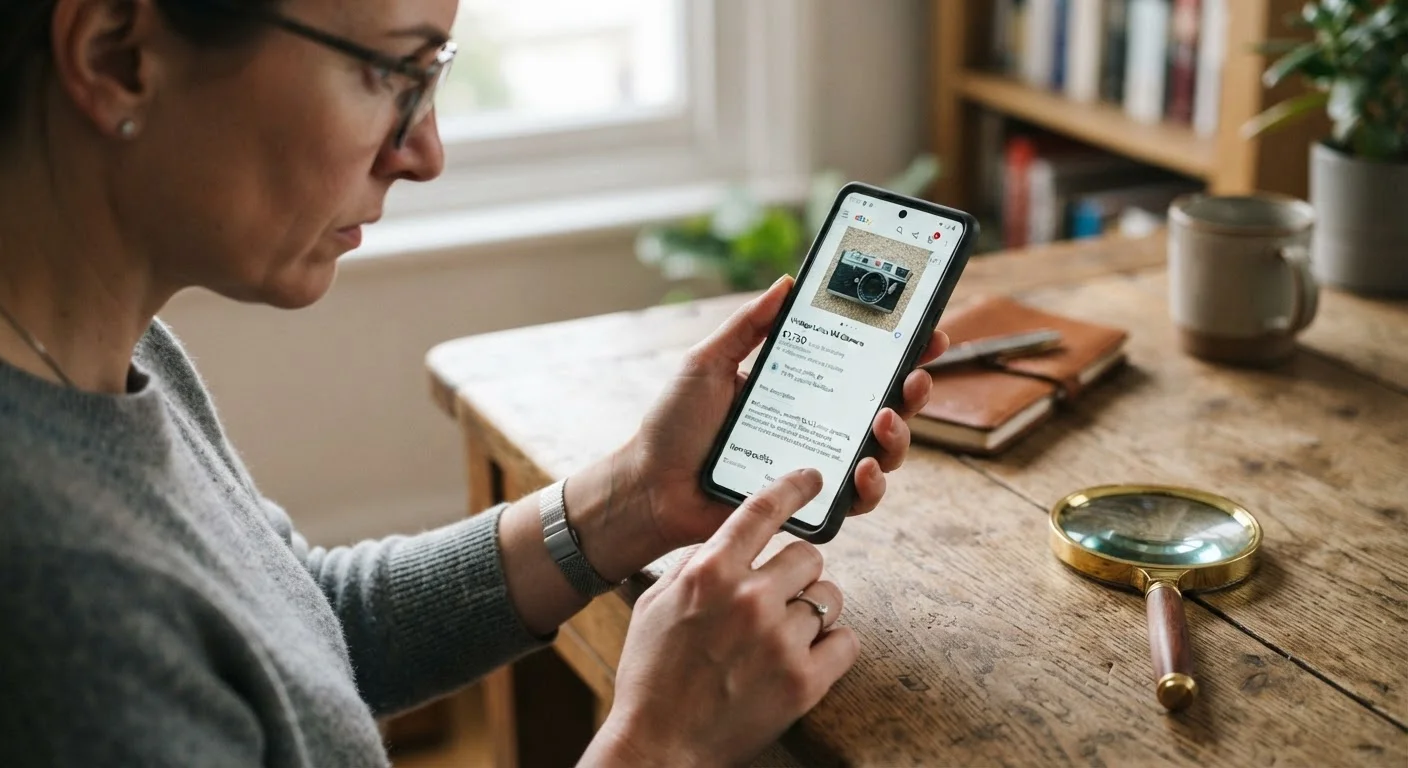
Photo: FaqsDrive.com | Smart Way To Search editorial
—— In This Article
Key Takeaways
- Suspicious sellers often disguise red flags behind polished listings and urgency tactics.
- Verifying contact details, return policies, and payment methods costs nothing but a few minutes.
- Review patterns and seller history are more reliable signals than star ratings alone.
- No legitimate seller will pressure you to use untraceable payment methods.
- When something feels off, checking publicly available records can confirm your instinct.
Why This Checklist Exists
Deceptive sellers don't always look suspicious at first glance. Many operate through slick storefronts, persuasive copy, and review systems that have been gamed. The problem isn't that shoppers are naive — it's that fraudulent listings are deliberately engineered to look legitimate. Our guide to the anatomy of a consumer scam breaks down exactly how that engineering works.
This checklist gives you a structured, repeatable process to run before you hand over payment information to any seller you haven't purchased from before — whether that's an unfamiliar online store, a marketplace third-party, or a private listing. It's built around observable facts, not gut feelings.
Use it alongside our broader field guide for online shopping scam protection if you want deeper context on any of these steps.
Seller Identity
Listing Integrity
Reviews and Feedback
Payment and Policies
Final Gut Check
How to Use This Checklist Effectively
Work through each group in order. The first two groups — Seller Identity and Listing Integrity — are your fastest filters. If something fails there, you may not need to go further. The later groups add useful depth when a seller passes the initial screen but you still want confidence before committing.
Payment Method Is Non-Negotiable
If a seller insists on payment via wire transfer, peer-to-peer apps like Zelle or Venmo, cryptocurrency, or gift cards, stop the transaction immediately. These methods offer little to no buyer protection and are the preferred tool of fraudulent sellers precisely because payments are nearly impossible to reverse. A credit card is your strongest consumer protection instrument — use it whenever possible.
For deeper verification of an unfamiliar online store — including how to look up domain registration age and spot fake contact pages — see our step-by-step article on verifying an unfamiliar online store before entering any payment details.
If your concern is whether the product itself is worth buying — not whether the seller is trustworthy — that's a separate exercise covered in our product evaluation checklist for beginners.
Reverse Image Search (Google Images or TinEye)
Upload or paste a product photo URL to detect whether images are stolen from other listings or manufacturer sites.
Better Business Bureau (bbb.org)
Look up a business's complaint history, rating, and accreditation status before purchasing.
State Secretary of State Business Search
Verify that a business is legally registered in its claimed state — searchable for free on most state government websites.
WHOIS Domain Lookup (whois.domaintools.com or similar)
Check when a seller's website domain was registered to flag suspiciously new storefronts.
Trustpilot or Sitejabber
Read independent third-party reviews that the seller cannot edit, filter, or remove.

Smart Shopping Editorial Team
Smart Shopping Editorial Team is the collective byline for our editorial team and contributor network. Articles published under this byline or an editorial pen name are researched, written, and reviewed according to our editorial standards for clarity, consistency, and independence before publication.
View author profile