
Grocery Budgeting: Spending Less Without Eating Worse
Trimming a grocery bill doesn't have to mean lower quality meals. These evidence-based strategies help stretch your food budget without sacrificing nutrition.
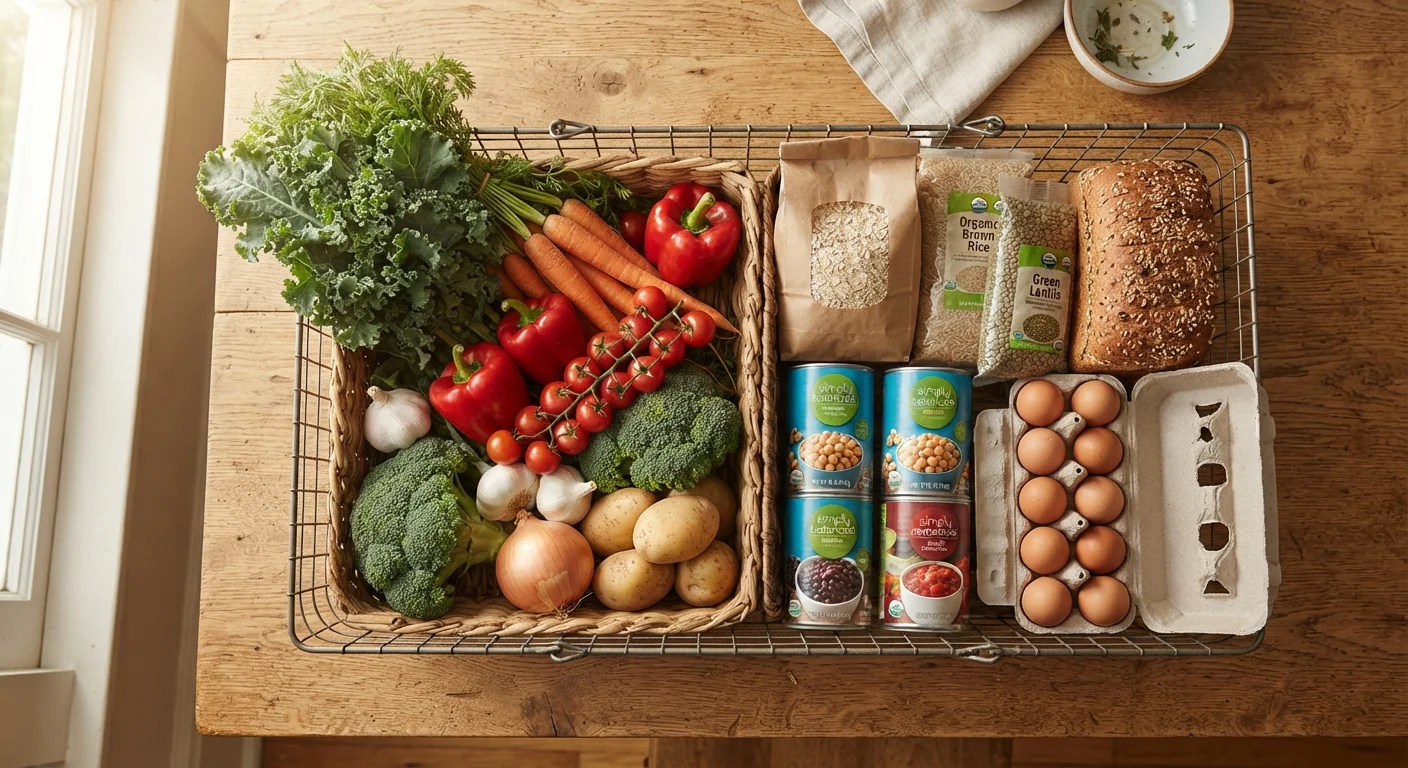
Photo: FaqsDrive.com | Smart Way To Search editorial
—— In This Article
Key Takeaways
- Meal planning before shopping is the single most effective way to reduce grocery waste and overspending.
- Store-brand and generic products often match name-brand quality at significantly lower cost.
- Protein-rich staples like eggs, canned legumes, and frozen fish deliver strong nutrition per dollar.
- Shopping with a written list and a full stomach curbs impulse purchases that inflate bills.
- Buying in bulk only saves money when you'll realistically use the item before it expires.
Why Grocery Spending Deserves a Closer Look
Food is a necessity, but how much you spend on it is more flexible than most people realize. Unlike a car payment or utility bill, grocery costs shift with your decisions — what you plan, what you buy, and how much you waste. For households trying to find room in a tight budget, groceries are often the most actionable line item to address.
Food Costs Are a Real Pressure Point
For many households, groceries are one of the largest and most variable monthly expenses. Unlike a fixed rent payment, your food bill responds directly to the choices you make each week. Even modest changes to your shopping habits can compound into meaningful savings over months — without requiring you to eat less or eat worse.
This doesn't mean eating less or downgrading the quality of what you eat. It means shopping with more intention. The strategies in this guide are grounded in practical consumer research and basic nutritional thinking — not extreme couponing or deprivation. If you're also thinking about how groceries fit into your broader financial picture, the honest look at strict monthly budgets is worth reading before you lock in any numbers.
Frozen Produce Is Nutritionally Sound
Frozen fruits and vegetables are typically flash-frozen at peak ripeness, which locks in most of their nutrients. They're often cheaper than fresh, have a much longer shelf life, and reduce waste. Swapping some fresh items for frozen equivalents is one of the easiest ways to lower costs without compromising nutrition.
For the tools you'll want to have ready, see the list below before you start.
Meal planning notebook or app
Used to map out weekly meals before building your shopping list, preventing over-purchasing.
Written or digital shopping list
Keeps you focused in-store and prevents impulse additions that inflate the bill.
Unit price calculator (phone calculator)
Helps compare price-per-ounce or price-per-serving across package sizes and brands.
Reusable freezer bags or airtight containers
Extend the shelf life of bulk purchases and meal-prepped food to reduce waste.
And here's what you'll need before putting these steps into practice:
What you will need
Step-by-Step: Building a Leaner Grocery Routine
The steps below walk you through a repeatable weekly process — from auditing your pantry to choosing the right proteins — that adds up to real savings over time. None of these steps require extreme effort; they reward consistency more than intensity.
Audit what you already have
Before writing a shopping list, open your fridge, freezer, and pantry and take stock of what's already there. Many households unknowingly re-buy items they already own, or let ingredients expire unused. Note any proteins, grains, canned goods, or vegetables you have on hand and build your meal plan around those first.
Plan meals for the week before you shop
Decide on five to seven dinners, and think about how leftovers from one meal carry into another. A roast chicken, for example, can yield a second meal of soup or grain bowls. Meal planning turns a scattered cart into a purposeful one — every item you buy has a job. See our nutrition-focused grocery checklist for guidance on building balanced meals as you plan.
Build a specific, complete shopping list
Write out every ingredient you need — including quantities — before entering the store or opening a delivery app. Vague lists lead to over-buying or repeated trips. Organize your list by store section (produce, dairy, pantry) to move efficiently and avoid backtracking through tempting aisles.
Compare unit prices, not package prices
The sticker price on a product tells you almost nothing about value. The price per ounce, per serving, or per unit — usually shown on the shelf label — is what matters. A larger package is only a better deal if the unit price is lower and you'll realistically use all of it. Use your phone's calculator to verify when shelf labels are unclear.
Choose store brands for staple items
For pantry staples — flour, oats, canned tomatoes, pasta, rice, frozen vegetables, butter — store-brand or generic products often use the same ingredients and processes as their name-brand counterparts. The price difference can be 20–40% on a per-unit basis. Reserve spending on name brands for items where you've noticed a genuine quality difference that matters to you.
Anchor meals around high-value proteins
Not all proteins cost the same per gram. Eggs, dried or canned legumes (lentils, black beans, chickpeas), canned tuna or sardines, and frozen chicken thighs consistently offer strong nutritional value at lower cost than fresh cuts of red meat or pre-marinated convenience proteins. Rotating these into your weekly meals meaningfully lowers the bill without reducing protein intake. For more on building lasting healthy eating habits, see our guide to sustainable eating habits.
Reduce food waste deliberately
Wasted food is wasted money. Use older produce first, store herbs in water like fresh flowers to extend their life, and freeze bread, meat, and cooked grains before they go bad. If you find yourself frequently throwing away the same items, buy less of them or stop buying them altogether until you have a plan to use them consistently.
Bulk Buying Isn't Always a Bargain
Buying in large quantities only saves money if you use the product before it spoils or expires. Perishables bought in bulk that end up in the trash cost more than smaller purchases would have. Before committing to a large package, be honest about your household's actual consumption rate.
Once these habits are in place, grocery budgeting becomes less of a chore and more of a default. If you're working to build savings from those reductions, our guide to saving on a tight budget offers practical next steps for putting that freed-up money to work. You can also explore the broader budgeting basics hub for more strategies to take control of your everyday spending.

Smart Shopping Editorial Team
Smart Shopping Editorial Team is the collective byline for our editorial team and contributor network. Articles published under this byline or an editorial pen name are researched, written, and reviewed according to our editorial standards for clarity, consistency, and independence before publication.
View author profile