
Consumer Fraud from Every Angle: Scam Types, Tactics, and Your Rights
An end-to-end resource covering how shopping scams work, the many forms they take, and what protections exist for American consumers.
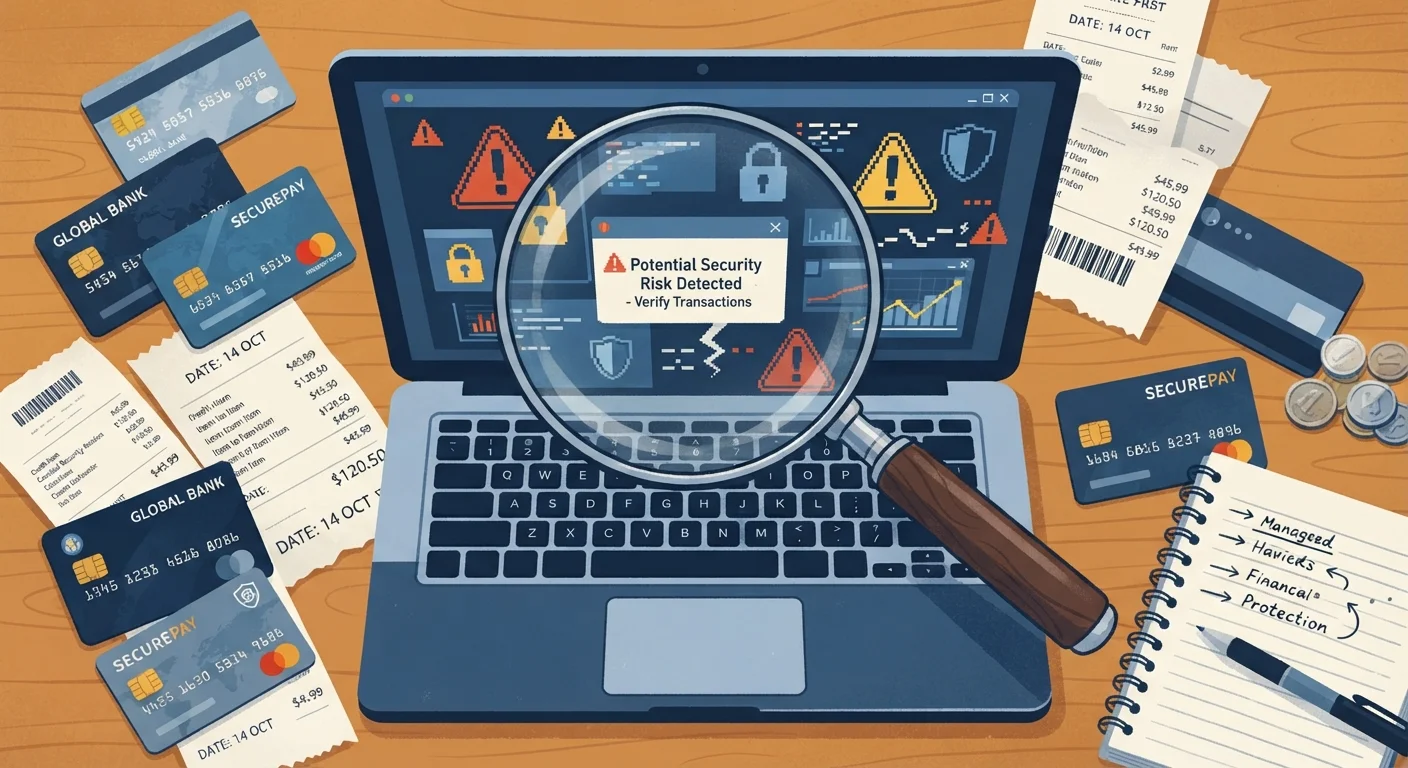
Photo: FaqsDrive.com | Smart Way To Search editorial
—— In This Article
Key Takeaways
- Scammers rely on urgency, authority, and familiarity to bypass your critical thinking.
- Common fraud types include phishing, fake storefronts, subscription traps, and counterfeit goods.
- Federal and state laws give you concrete rights to dispute charges and seek refunds.
- Reporting fraud helps regulators track patterns and protect other consumers.
- Simple habits — like verifying sellers and using credit cards — significantly reduce your risk.
Why Consumer Fraud Is So Hard to Spot
Consumer fraud doesn't look the way most people imagine it. It rarely arrives as a poorly spelled email from a foreign prince. Today's scams are polished, targeted, and engineered to feel completely ordinary — because ordinary is what gets people to click, pay, and hand over personal information.
The FTC received more than 2.6 million fraud reports in a recent year, with consumers reporting losing over $10 billion. Those numbers reflect only what gets reported; many victims never come forward out of embarrassment or uncertainty about where to turn.
Understanding why fraud works is the foundation of avoiding it. See our breakdown of how fake deals are constructed to understand the psychological architecture behind these traps.
$10B+
Consumer fraud losses in a single year
According to the Federal Trade Commission's Consumer Sentinel Network data reports.
2.6M+
Fraud reports filed with the FTC annually
FTC Consumer Sentinel Network data shows this volume represents only reported cases.
96%
Of fraud victims who never recover their money
Consumer advocacy research consistently shows most fraud victims do not recoup losses.
The Most Common Scam Types American Shoppers Face
Fraud takes many forms, but certain categories show up consistently in consumer complaint data:
- Fake online storefronts: Websites designed to look like legitimate retailers collect payment and either ship counterfeits or nothing at all. They often clone branding from real companies.
- Phishing and smishing: Fraudulent emails or text messages impersonating banks, delivery services, or retailers trick recipients into clicking malicious links or entering credentials.
- Subscription traps: A free trial silently converts to a recurring charge, buried in terms most shoppers never read. Cancellation is often made deliberately difficult.
- Counterfeit goods: Products sold as genuine — electronics, clothing, supplements — that are low-quality fakes. The harm ranges from financial loss to genuine safety risk.
- Overpayment scams: A buyer sends a check for more than the listed price, asks for the difference back, and the original check bounces after you've sent your money.
- Impersonation scams: Callers or emailers pose as government agencies (IRS, Social Security Administration) or utility companies to create fear and extract payments.
Each of these exploits a different vulnerability — convenience, trust, fear, or inattention. Knowing which category a suspicious contact falls into helps you respond correctly rather than react emotionally.
Tactics Scammers Use to Get Your Guard Down
The mechanics behind fraud are surprisingly consistent. Scammers rely on a short list of psychological levers:
- Artificial urgency: "Act in the next 10 minutes" or "Only 2 left in stock" short-circuits deliberate thinking. If there's no time to verify, there's no time to refuse.
- False authority: Impersonating official institutions — government agencies, well-known brands, courts — makes demands feel non-negotiable.
- Social proof manipulation: Fake reviews, inflated star ratings, and fabricated testimonials signal trustworthiness that doesn't exist.
- Reciprocity: Offering a small gift or "free" item creates a sense of obligation that makes the follow-up request feel reasonable.
- Familiarity mimicry: Using logos, color schemes, and writing styles that closely resemble brands you already trust lowers your scrutiny.
When a message creates strong emotion — fear, excitement, or urgency — treat that as a signal to pause, not act. Emotional arousal is a scammer's best tool.
Research in behavioral economics shows that heightened emotional states impair deliberate decision-making, which is exactly what scammers exploit.
Before entering payment information on any unfamiliar site, search the domain name plus the word 'scam' or 'reviews' in a separate browser tab.
Victim reports and scam-tracking sites often surface within days of a fraudulent store going live, giving you real-world intelligence before you pay.
For a deeper look at how these habits make shoppers more vulnerable, read our piece on overconfidence and bias in shopping decisions.
Your Legal Rights as a Consumer
American consumers have meaningful legal protections — but you have to know they exist to use them.
Federal Protections
- Fair Credit Billing Act (FCBA): Gives you the right to dispute billing errors and unauthorized charges on credit card statements. You generally have 60 days from the statement date to file a dispute.
- Electronic Fund Transfer Act (EFTA): Limits your liability for unauthorized debit card transactions if reported promptly — typically within two business days for maximum protection.
- FTC Act Section 5: Prohibits unfair or deceptive acts in commerce. The FTC can take action against businesses that engage in fraud, false advertising, or deceptive practices.
- Mail, Internet, or Telephone Order Rule: Requires sellers to ship within the stated timeframe (or within 30 days if none is stated) or offer you a full refund.
State-Level Protections
Every U.S. state has its own consumer protection statutes, many of which go further than federal law. Some states allow consumers to file private lawsuits and recover attorney fees. Your state attorney general's website is the best starting point for state-specific rights.
Debit Cards Offer Weaker Fraud Protection
Unlike credit cards, debit cards draw directly from your bank account. Under the Electronic Fund Transfer Act, your liability for unauthorized debit transactions rises significantly if you wait more than two business days to report fraud. Credit cards under the Fair Credit Billing Act generally offer stronger and easier dispute rights — another reason to reserve debit for ATM use rather than online purchases.
Credit cards offer stronger fraud protection than debit cards or payment apps. When in doubt about a transaction, using a credit card gives you the best dispute options under federal law.
What to Do If You've Been Scammed
Speed matters when fraud occurs. Work through these steps as quickly as possible:
- Stop all contact with the scammer. Do not pay additional money, even if they threaten you.
- Secure your accounts. Change passwords for any account that may have been compromised. Enable two-factor authentication where available.
- Contact your financial institution. Report unauthorized charges to your bank or credit card issuer immediately. Ask about dispute or chargeback options.
- File a report with the FTC at ReportFraud.ftc.gov. Reports feed into a national database that helps investigators identify patterns and pursue fraudsters.
- Report to your state attorney general if the scam involved a business operating in your state.
- Report to the FBI's Internet Crime Complaint Center (IC3) if the fraud occurred online.
- Alert the platform. If the scam happened on a marketplace or social media platform, report the account or listing — this can protect other shoppers.
Also consider placing a free fraud alert or credit freeze with the major credit bureaus (Equifax, Experian, TransUnion) if you shared sensitive personal information. A credit freeze is free and prevents new credit from being opened in your name.
Building Habits That Keep You Protected
The most effective fraud protection isn't reactive — it's built into how you shop every day. A few consistent habits dramatically reduce your exposure:
- Verify before you buy. Look up unfamiliar sellers on the BBB website, check for independently verified reviews, and confirm contact information is real and responsive.
- Use credit, not debit or wire transfers. Credit cards offer dispute rights that most other payment methods don't.
- Read the fine print on free trials. Note exactly what you're agreeing to, when charges begin, and how to cancel.
- Slow down when pressured. Legitimate sellers don't evaporate if you take 24 hours to verify them.
- Keep software and browsers updated. Many phishing attacks exploit outdated software vulnerabilities.
- Monitor your statements. Review bank and credit card statements monthly, at minimum, for charges you don't recognize.
For a comprehensive walkthrough of online-specific risks and protections, see our field guide to online shopping scam protection.
Set Up Account Alerts Now, Not After
Most banks and credit card issuers let you enable real-time text or email alerts for every transaction. Setting these up takes about five minutes and means any unauthorized charge triggers an immediate notification. You don't have to wait for a monthly statement to catch fraud — and the sooner you report it, the stronger your legal protections.
Consumer fraud is a moving target — tactics evolve constantly — but the underlying psychology rarely changes. Shoppers who understand how and why these schemes work are genuinely harder to deceive.

Smart Shopping Editorial Team
Smart Shopping Editorial Team is the collective byline for our editorial team and contributor network. Articles published under this byline or an editorial pen name are researched, written, and reviewed according to our editorial standards for clarity, consistency, and independence before publication.
View author profile