
Fixed vs. Variable Expenses: How the Distinction Shapes Your Whole Budget
Fixed and variable expenses behave very differently in a budget. Learn what sets them apart and how to manage each category effectively.
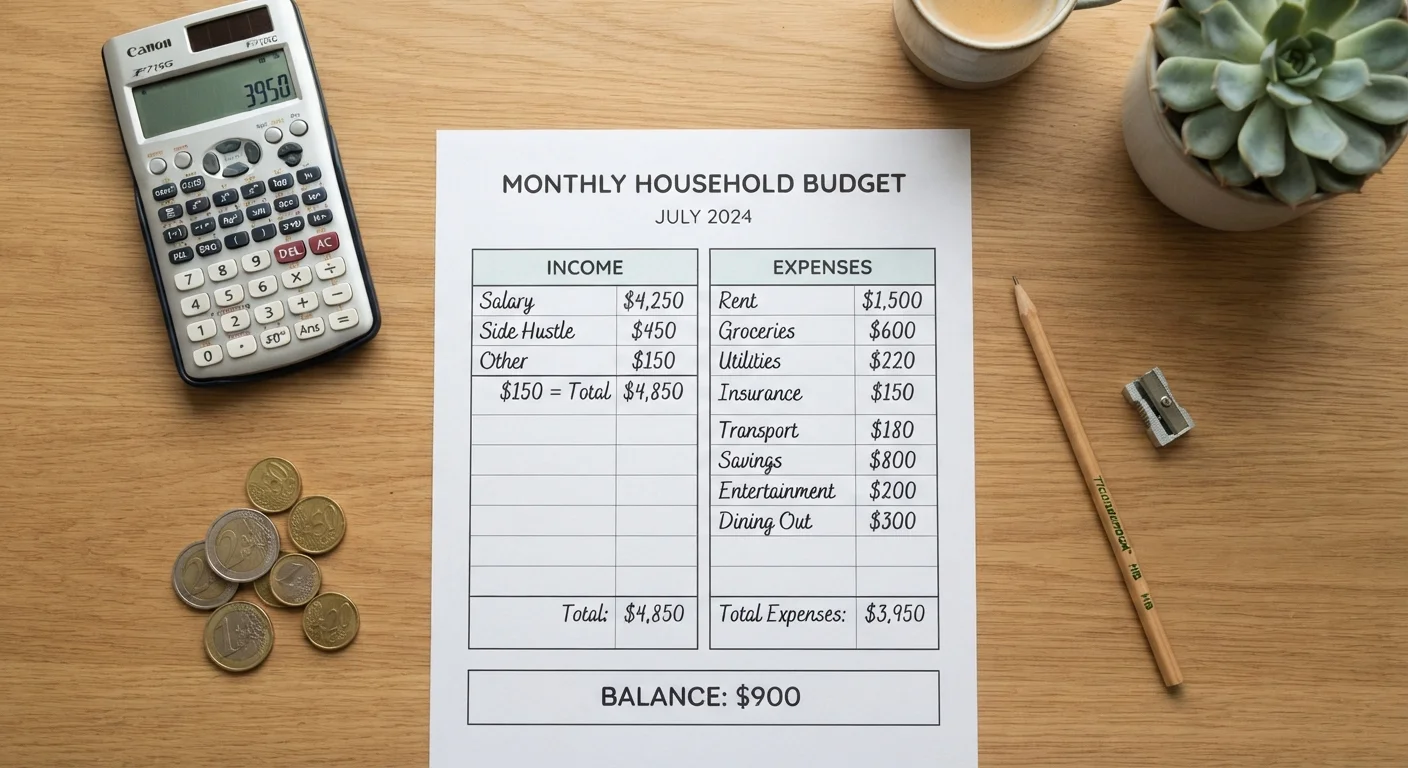
Photo: FaqsDrive.com | Smart Way To Search editorial
—— In This Article
Key Takeaways
- Fixed expenses stay the same each month; variable expenses change with your habits and choices.
- You can't easily cut fixed expenses short-term, but they offer predictability for planning.
- Variable expenses are where most spending flexibility — and savings opportunity — lives.
- Treating these two categories separately leads to more accurate, sustainable budgets.
- A healthy budget needs strategies for managing both types, not just one.
What Makes an Expense Fixed or Variable
The core difference is simple: fixed expenses cost the same amount every billing cycle, while variable expenses fluctuate month to month based on usage, behavior, or circumstances.
Rent or mortgage payments, car loan installments, insurance premiums, and subscription services with set monthly fees are classic fixed expenses. You know exactly what they'll cost when you sit down to plan.
Variable expenses — groceries, gas, utilities, dining out, clothing, entertainment — shift with your choices and external factors like gas prices or seasonal needs. They're harder to predict but easier to influence. For a deeper look at how each category is defined, see how fixed and variable expenses work in a budget.
Some expenses blur the line. A cell phone plan with a fixed base rate but variable data overage charges, or a utility bill with a flat service fee plus usage-based charges, contains elements of both. Identifying these hybrid costs helps you budget more accurately rather than guessing a round number every month.
How Each Type Affects Your Budget Strategy
Because fixed and variable expenses behave differently, they require distinct budgeting approaches — and treating them the same is one of the most common budgeting mistakes.
| Fixed Expenses | Variable Expenses | |
|---|---|---|
| Predictability | Same amount each month | Changes month to month |
| Examples | Rent, car loan, insurance | Groceries, gas, dining out |
| Short-term flexibility | Very limited once committed | High — adjustable with behavior |
| Best leverage point | Before signing or at renewal | Ongoing, monthly review |
| Budget planning role | Anchor — subtract from income first | Working budget — set targets and track |
| Primary savings strategy | Negotiate or restructure annually | Reduce usage or change habits |
With fixed expenses, your leverage is mostly upfront: negotiating a lower rate before signing a lease, shopping for better insurance coverage annually, or choosing a shorter or longer loan term. Once locked in, these costs are difficult to change in the short run. That predictability is useful — you can subtract them from your income immediately and know exactly what's left to work with.
With variable expenses, leverage is ongoing. Small behavioral shifts — meal planning to reduce grocery waste, carpooling to cut gas costs, or cooking at home more often — can meaningfully lower your monthly totals. This is where most households find real, sustainable savings without making drastic lifestyle changes. It also means variable costs deserve active, monthly review rather than a set-and-forget approach.
Review Variable Expenses Monthly, Not Annually
Unlike fixed costs that rarely change mid-year, variable expenses can creep up subtly over weeks. Set a short monthly check-in — even 15 minutes — to compare actual variable spending against your targets. Catching a $40 grocery overage in one month is far easier than confronting a $480 annual drift you didn't notice.
For a fuller picture that includes discretionary spending as its own layer, see how discretionary spending fits alongside fixed and variable costs.
Building a Budget That Respects Both Categories
A practical budgeting system lists fixed expenses first. Subtract them from your take-home income immediately — these are non-negotiable in any given month. What remains is your working budget for variable and discretionary spending.
~70%
Share of spending that is variable for many households
Consumer Expenditure Survey data consistently shows that food, transportation, and personal care — all variable — make up a substantial majority of average household spending.
3 months
Lookback period recommended for realistic variable spending averages
Most personal finance educators suggest reviewing at least three months of actual spending before setting category targets, to smooth out one-off spikes.
From that remaining amount, set realistic spending targets for each variable category based on recent averages rather than idealistic guesses. Review your last two or three months of bank statements to see what you've actually spent on groceries, gas, and similar costs — not what you think you spent. Averages are far more honest than estimates.
When building this structure, it helps to also think about which expenses reflect needs versus wants. Understanding needs vs. wants adds another practical layer to deciding where to protect spending and where to trim it.
If you're curious how strict category systems hold up in practice, the pros and cons of strict budget categories offers a balanced view of when rigid structures help — and when they backfire.
This article is for general informational and educational purposes only and does not constitute personalized financial advice. Consult a qualified financial professional for guidance specific to your situation.

Smart Shopping Editorial Team
Smart Shopping Editorial Team is the collective byline for our editorial team and contributor network. Articles published under this byline or an editorial pen name are researched, written, and reviewed according to our editorial standards for clarity, consistency, and independence before publication.
View author profile