
Online Shopping Scam Protection: A Field Guide for Everyday Buyers
A comprehensive introduction to recognizing, avoiding, and recovering from online shopping scams — written for shoppers with no prior experience.
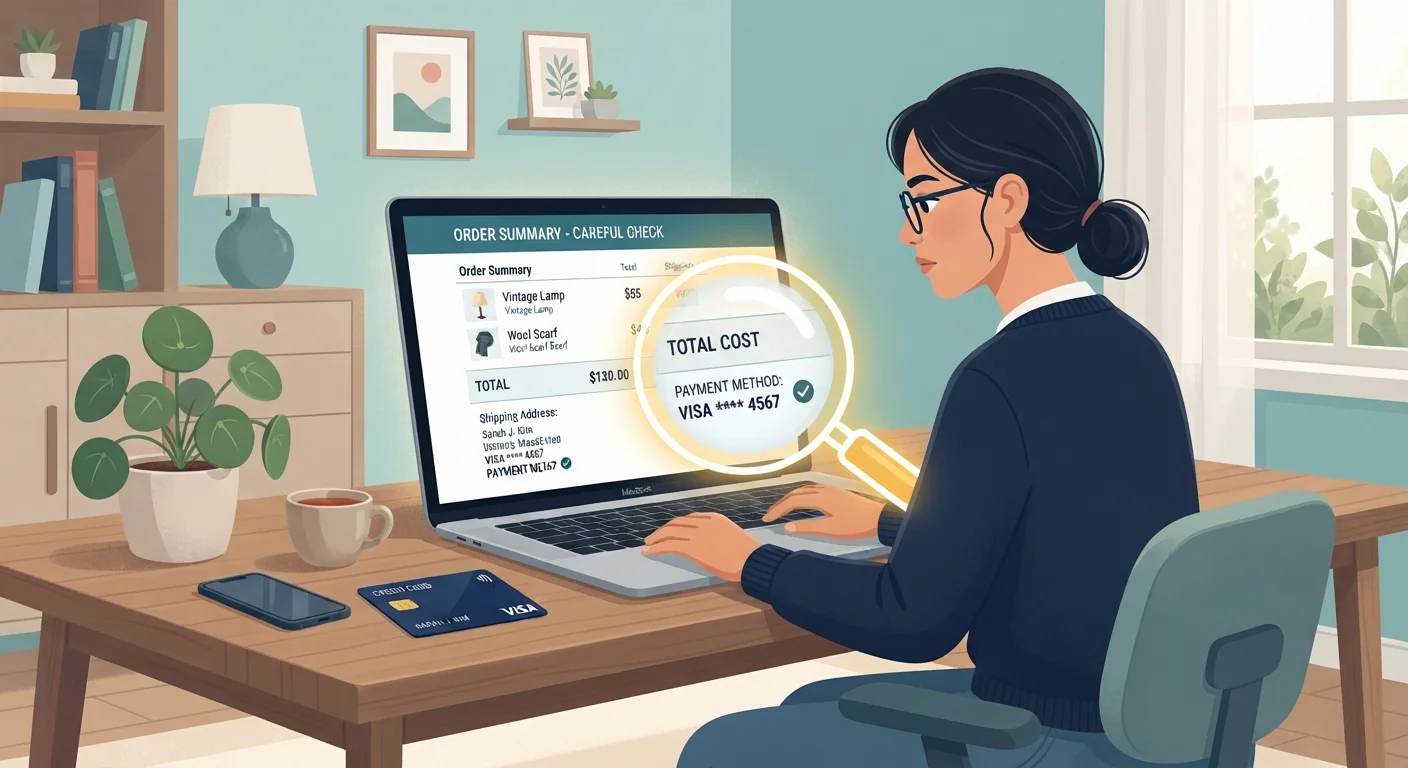
Photo: FaqsDrive.com | Smart Way To Search editorial
—— In This Article
Key Takeaways
- Scammers design fake listings and storefronts to look indistinguishable from legitimate retailers.
- Common scam types include counterfeit goods, non-delivery fraud, and phishing checkout pages.
- Paying with a credit card gives you dispute rights that debit cards and wire transfers do not.
- Verifying a seller before you buy is the single most effective prevention step.
- If you are scammed, act quickly — dispute charges and report to the FTC within days.
Why Online Shopping Scams Are So Effective
Modern shopping scams succeed not because buyers are careless, but because the fraud is professionally designed. Fake storefronts copy legitimate websites pixel by pixel. Counterfeit listings appear alongside real products on major platforms. Scammers use urgency, social proof, and familiar branding to push shoppers past their instincts and straight to checkout.
Understanding why scams work is the first layer of protection. As explored in the anatomy of a consumer scam, fraudulent offers exploit psychological shortcuts — our tendency to trust what looks familiar, to act fast when something seems scarce, and to skip verification when we feel confident. Recognizing these levers helps you pause before the mechanism can be pulled.
Scams Target Every Type of Shopper
Research by the Federal Trade Commission consistently shows that online shopping fraud affects consumers across all age groups and income levels. Familiarity with online shopping does not make you immune — in fact, overconfidence is one of the habits that fraudsters count on. Staying skeptical is a skill, not a personality trait.
The Most Common Scam Types to Know
Online shopping fraud takes several recurring forms. Knowing the category helps you identify it faster in the wild.
- Non-delivery fraud: You pay for an item that never arrives and the seller disappears.
- Counterfeit goods: You receive a product, but it's a low-quality fake — common with electronics, clothing, and health products.
- Phishing checkout pages: A fake site collects your payment details without ever intending to ship anything.
- Overpayment scams: A fake buyer sends a check for more than the asking price and asks you to wire back the difference before the check bounces.
- Subscription traps: A low-cost trial converts automatically to recurring charges buried in fine print.
The fraud landscape also splits by platform type. Marketplace scams and retail website fraud operate differently — peer-to-peer platforms involve individual sellers, while fake storefronts impersonate known retailers. For a comprehensive inventory of scam structures, consumer fraud from every angle is a useful companion resource.
Red Flags to Spot Before You Buy
Most scams leave detectable signals if you know what to look for. Apply this quick-check habit before any unfamiliar purchase:
- Domain age and name: A website registered within the last few weeks, or one with a slightly misspelled brand name, is a warning sign.
- No contact information: Legitimate retailers provide a phone number, physical address, and a clear return policy.
- Prices far below market value: If a price seems impossible, it usually is. A steep discount on a hard-to-find item is a classic hook.
- Pressure and countdown timers: Urgency tactics are engineered to stop you from researching.
- Thin or fabricated reviews: Look for reviews on third-party sites, not just the seller's own page. Clusters of five-star reviews posted on the same day signal manipulation.
Shopping habits that skip these checks — like assuming a brand name guarantees legitimacy or trusting a social media ad without verifying the source — are among the assumptions that leave shoppers vulnerable to fraud. Before any purchase from an unfamiliar source, use a checklist for spotting suspicious sellers as a structured guide.
Quick Habit: Search Before You Trust
Before buying from an unfamiliar site, paste the store name plus the word 'scam' or 'reviews' into a search engine. Third-party forums and consumer complaint sites often surface fraud reports that the seller's own page would never show. This takes under two minutes and can save you significant money.
Safe Payment Habits That Protect You
How you pay matters as much as where you shop. Your payment method determines whether you can recover money if something goes wrong.
- Credit cards offer the strongest protection. Under the Fair Credit Billing Act, you can dispute unauthorized or fraudulent charges.
- Debit cards carry more risk — funds leave your account immediately and disputes can take longer to resolve.
- Digital wallets (such as PayPal) often include buyer protection programs, but read the specific terms to understand coverage limits.
- Wire transfers, gift cards, and cryptocurrency offer essentially no fraud recovery path. If a seller insists on these, treat it as a major red flag.
Keeping your financial exposure in check is also consistent with broader smart budgeting principles — knowing where your money is going and how it is protected is part of spending with confidence.
Never Pay by Gift Card or Wire Transfer
Any seller requesting payment via gift card, wire transfer, or cryptocurrency is almost certainly a scammer — these methods are untraceable and irreversible. Legitimate retailers never require these payment forms for standard purchases. If a seller insists, walk away immediately.
What to Do If Something Goes Wrong
Even careful shoppers occasionally encounter fraud. Acting quickly is critical to improving your chances of recovery.
- Contact your bank or card issuer immediately. Initiate a chargeback for credit or debit card purchases. Most issuers have a window — often 60 days — to file a dispute.
- Document everything. Take screenshots of the listing, any communications, the order confirmation, and your bank statement.
- Report the scam. File a report with the FTC at ReportFraud.ftc.gov and, for cybercrime, the FBI's Internet Crime Complaint Center (IC3) at ic3.gov. Your state attorney general's consumer protection office is also a relevant channel.
- Alert the platform. If the fraud occurred on a marketplace, report the seller so others are protected.
For a full walkthrough of next steps, what to do after you've been scammed covers the process in detail — from disputing charges to escalating reports. The sooner you act, the more options remain open.
Frequently Asked Questions

Smart Shopping Editorial Team
Smart Shopping Editorial Team is the collective byline for our editorial team and contributor network. Articles published under this byline or an editorial pen name are researched, written, and reviewed according to our editorial standards for clarity, consistency, and independence before publication.
View author profile