

Personal Finance Editorial Team
Personal Finance Editorial Team is the collective byline for our editorial team and contributor network. Articles published under this byline or an editorial pen name are researched, written, and reviewed according to our editorial standards for clarity, consistency, and independence before publication.
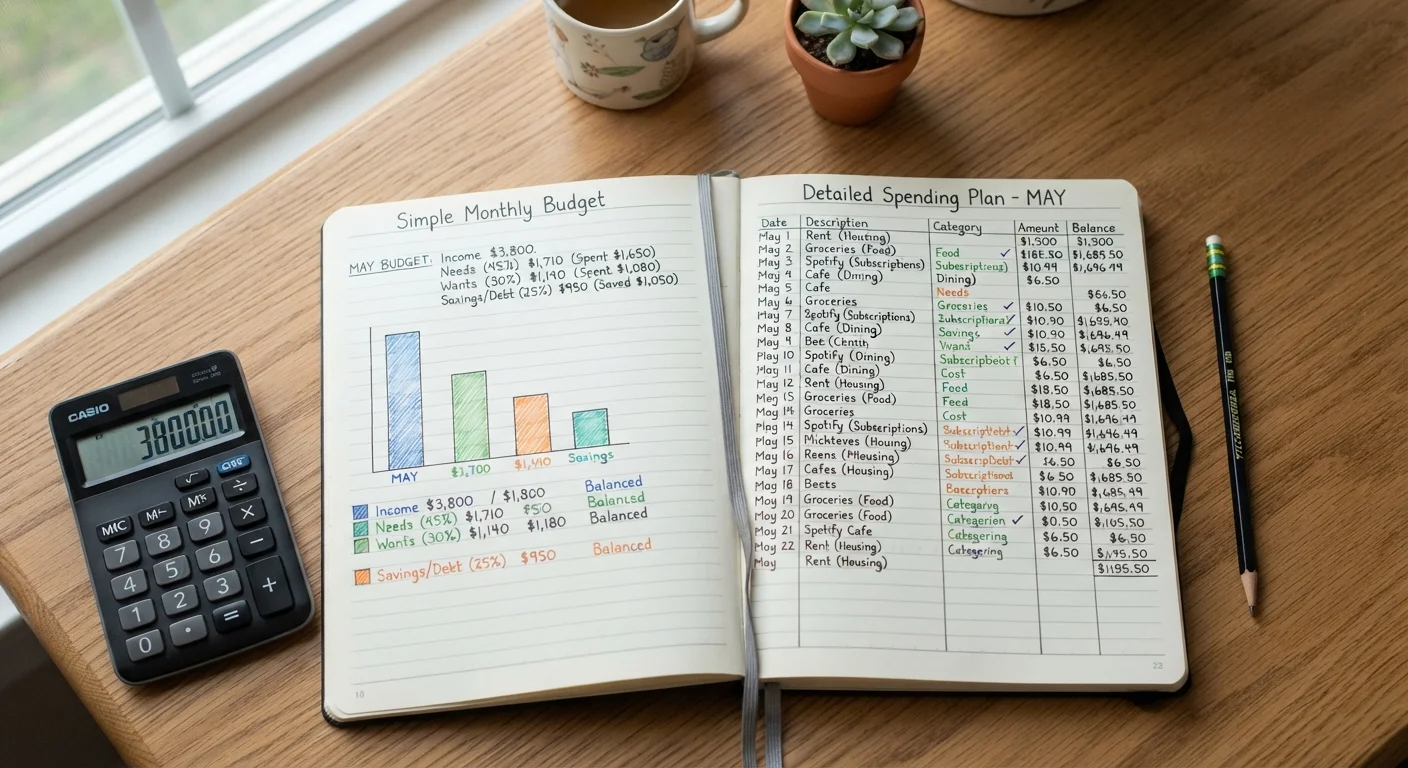
50/30/20 vs. Zero-Based Budgeting
Both methods are widely recommended, but they suit very different people. See how they stack up before you commit to one.

Building a Budget When Your Income Changes Every Month
Freelancers, gig workers, and tipped employees face unique challenges. Learn practical strategies for budgeting without a predictable paycheck.

Habits That Keep a Budget Running Month After Month
Setting up a budget is step one. These practical habits help you maintain it, adapt it, and actually benefit from it long-term.
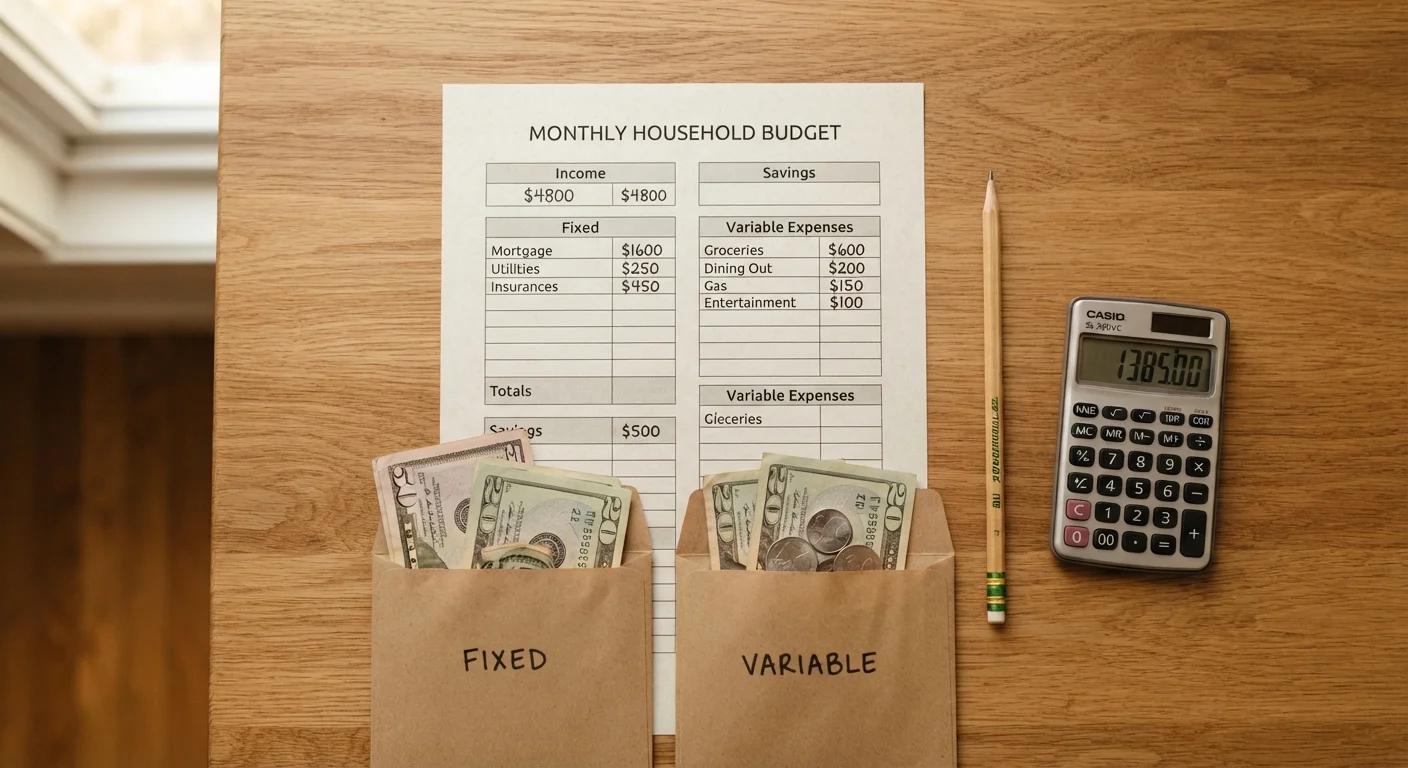
How Fixed and Variable Expenses Work in a Budget
Understanding the difference between fixed and variable costs is the foundation of every effective budget. Here's what each term means.

Money Myths That Keep People From Ever Starting a Budget
Think budgeting is only for people in debt, or that it requires perfect math? These common misconceptions are holding you back.

Monthly Budget Health Check
Use this end-of-month checklist to review your spending, spot patterns, and make adjustments before the next month begins.

Nine Spending Categories That First-Time Budgeters Almost Always Forget
Annual subscriptions, car registration, gifts — these predictable costs trip up new budgeters. Here's what to account for from the start.
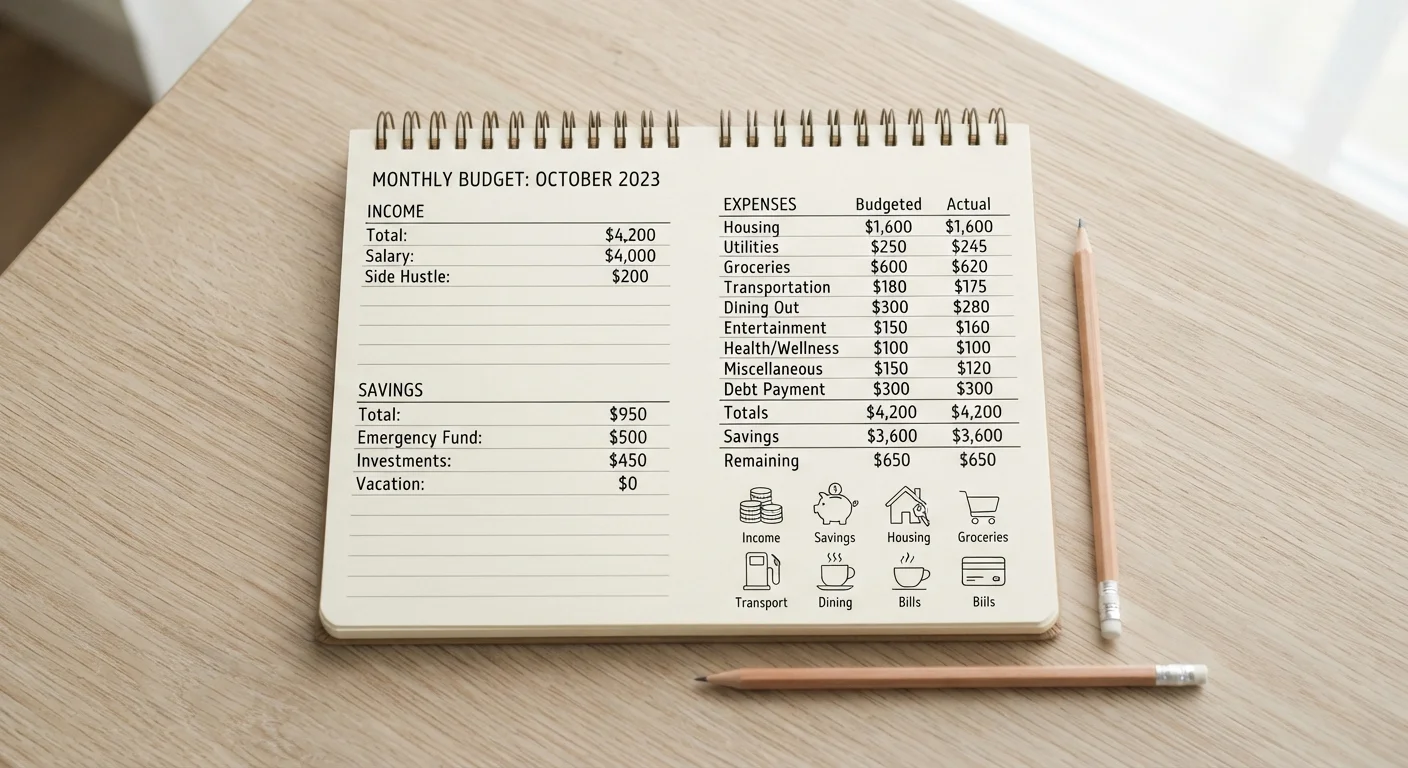
Personal Finance Glossary: Budgeting Terms Every Beginner Should Know
From gross income to discretionary spending, this quick-reference glossary defines the budgeting vocabulary you'll encounter most.

Reasons People Abandon Their Budgets After the First Month
Most budgets don't fail because of math — they fail for predictable reasons. Learn what derails beginners and how to stay on track.

Taking Control of Your Money: A Complete Introduction to Budgeting
Everything a first-time budgeter needs to know — from why budgets matter to how to track spending and adjust over time.
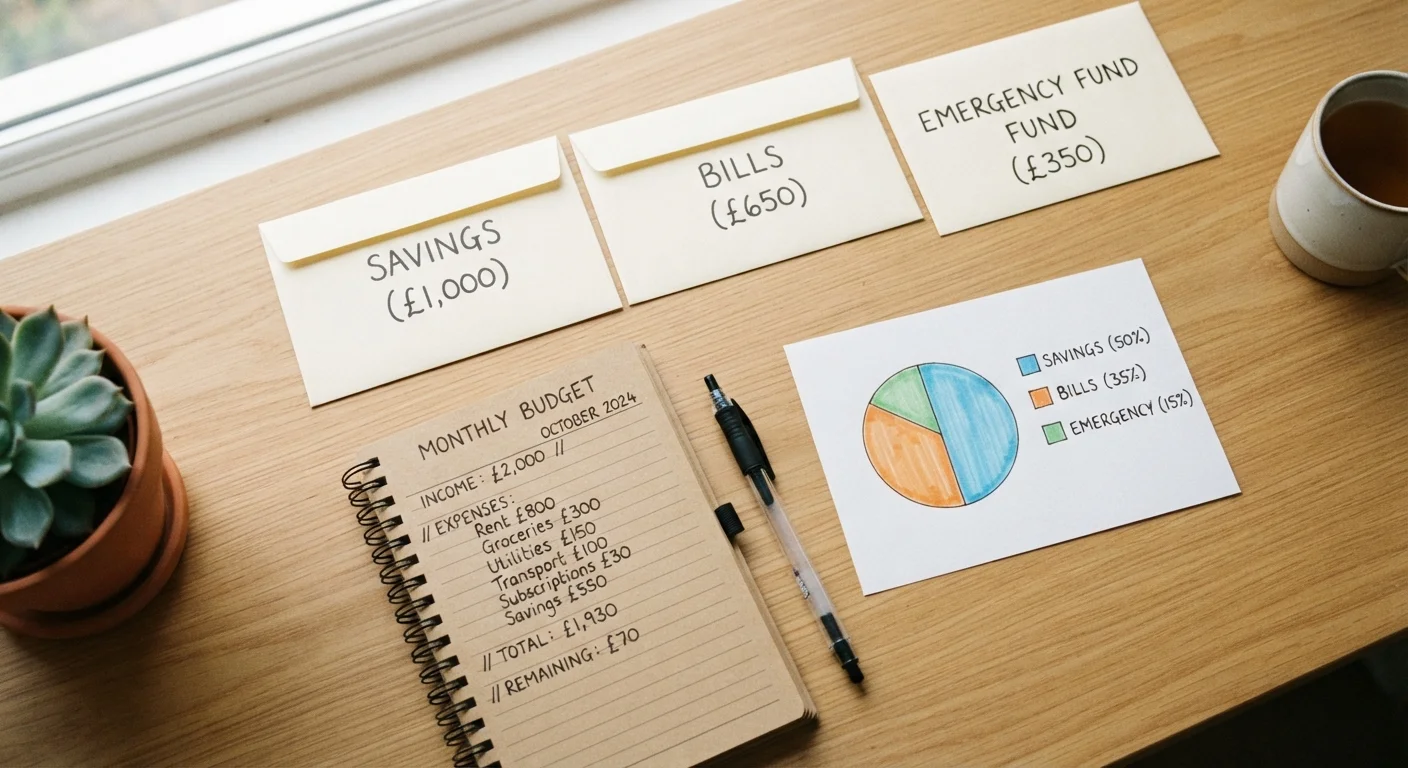
The 50/30/20 Rule, Zero-Based Budgeting, and the Envelope Method: Which Structure Fits You?
Three popular budgeting frameworks, side by side. Understand how each works so you can choose the one that matches your habits.

The Case For and Against Following a Strict Monthly Budget
A tight budget can build discipline, but it can also create stress. Here's an honest look at both sides before you commit.

The Personal Budget: A Complete Reference Guide
An end-to-end resource on personal budgeting — covering methods, income categories, irregular expenses, adjustments, and more.
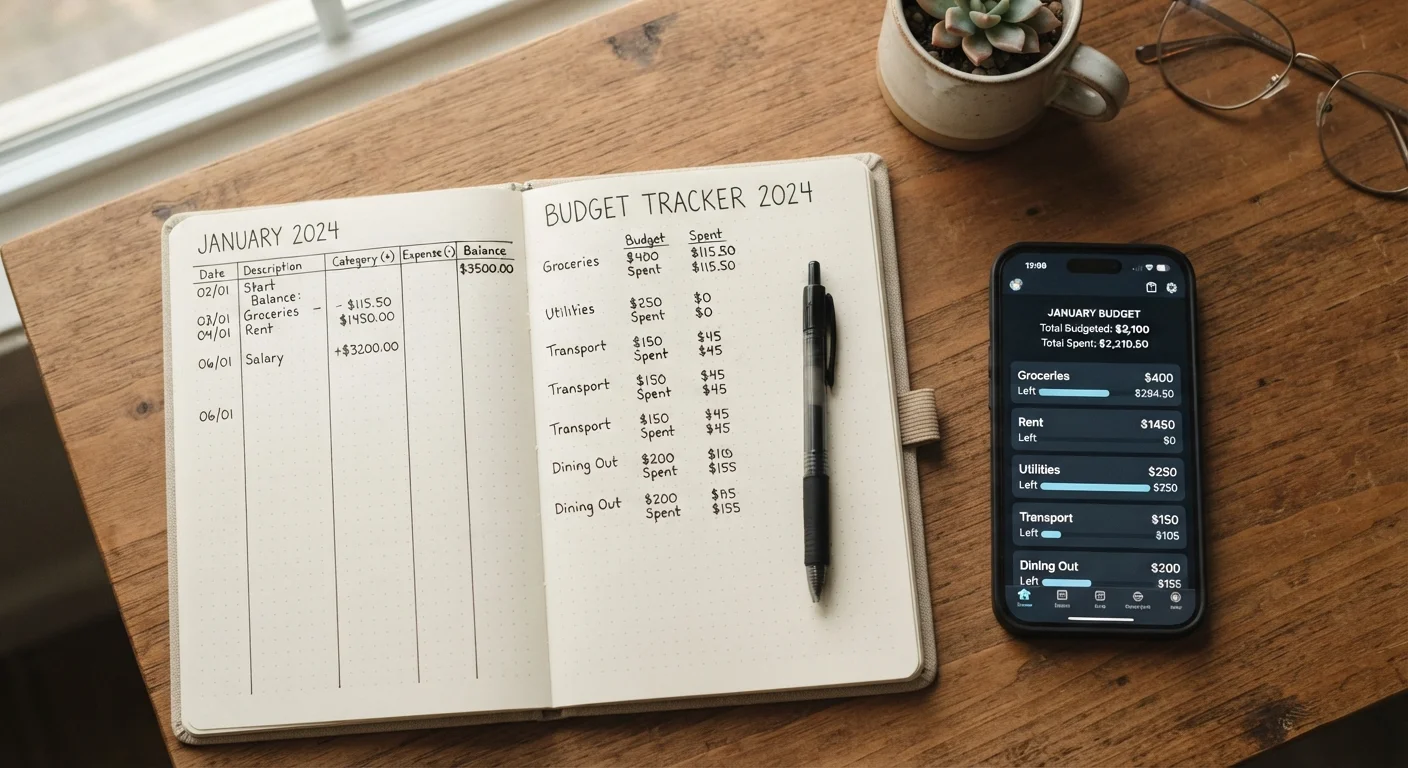
Tracking Your Spending by Hand vs. Using an App
Paper, spreadsheets, or digital apps — each approach has real trade-offs. Find out which tracking method works best for your lifestyle.

What a Budget Actually Is (And Why So Many People Get It Wrong)
A budget isn't a restriction — it's a plan. Learn what budgeting really means and why the common definition trips beginners up.

Your First Budget in Seven Steps
Never budgeted before? This plain-language walkthrough shows you exactly how to set up a spending plan that reflects your real life.

Avalanche vs. Snowball: Two Debt Payoff Strategies and When Each Makes Sense
The avalanche saves more on interest; the snowball builds momentum. See how each method works and which fits your habits and goals.

Before You Raid Your Savings: Questions Worth Asking First
Dipping into savings can make sense—or set you back significantly. Use this checklist to think it through before you transfer funds.

Building a Savings Habit on a Tight Budget
Small, consistent contributions matter more than large occasional ones. Here's how to make saving work even when money is short.
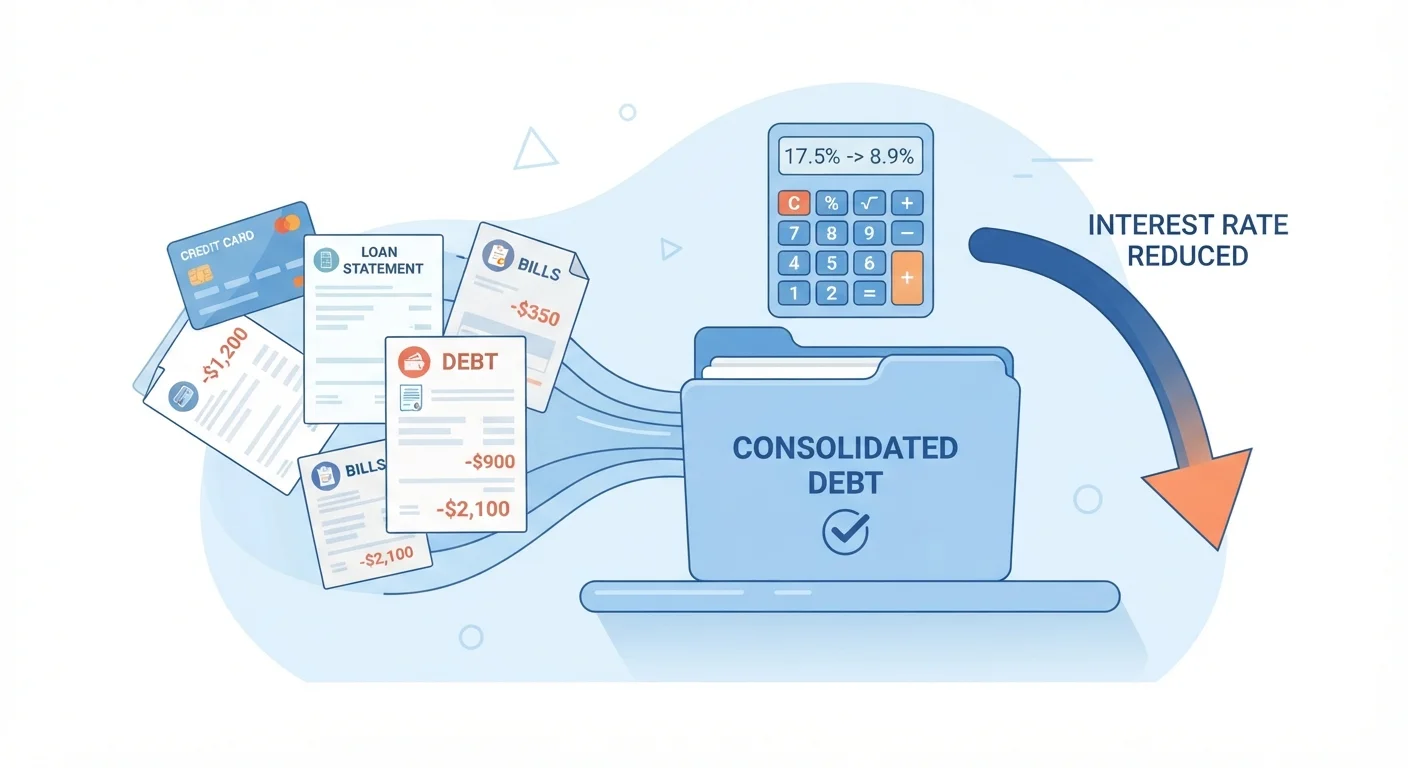
Debt Consolidation: What It Is, How It Works, and Who It Actually Helps
Debt consolidation can simplify repayment and lower interest costs—but it isn't a fix for every situation. Learn the full picture.

Emergency Funds Explained: Why Three Months of Savings Isn't One-Size-Fits-All
The 3-month rule is a starting point, not a law. Learn what actually determines the right emergency fund size for your situation.

High-Yield Savings Accounts vs. Traditional Savings: What Changes and What Doesn't
High-yield accounts offer better rates, but they come with trade-offs. Understand what to weigh before moving your savings.

Mistakes That Slow Down Debt Payoff Without Borrowers Realizing It
Paying the minimum, ignoring fees, or targeting the wrong account first can extend debt for years. Here's what to watch for.

Myths About Debt That Keep People Stuck Longer Than Necessary
From "all debt is bad" to "minimum payments are fine," these widespread beliefs can cost you more than you realize.

Paying Off Debt While Saving Money at the Same Time
You don't have to choose between savings and debt payoff. Here's how to structure both goals into a single, workable financial plan.

Saving and Debt Management: A Complete Beginner's Roadmap
New to managing your money? This guide covers savings basics, types of debt, and how to create a plan that works for real life.
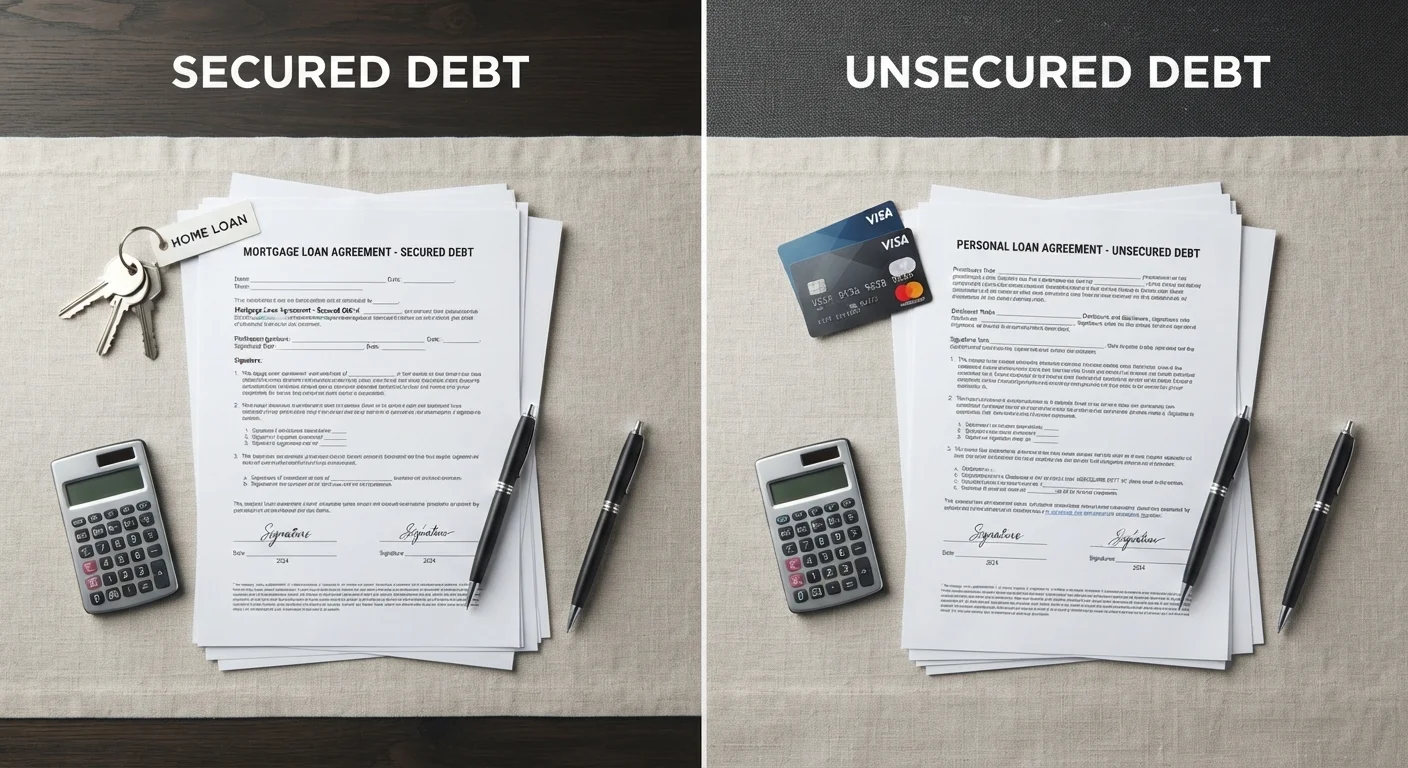
Secured vs. Unsecured Debt: How the Difference Shapes Your Repayment Options
Whether your debt is secured or unsecured affects your risk, your options, and what happens if you fall behind. Here's what to know.

Sinking Funds: The Budgeting Tool That Makes Large Expenses Feel Manageable
A sinking fund sets money aside gradually for a known future expense. Learn how they work and when they're worth using.
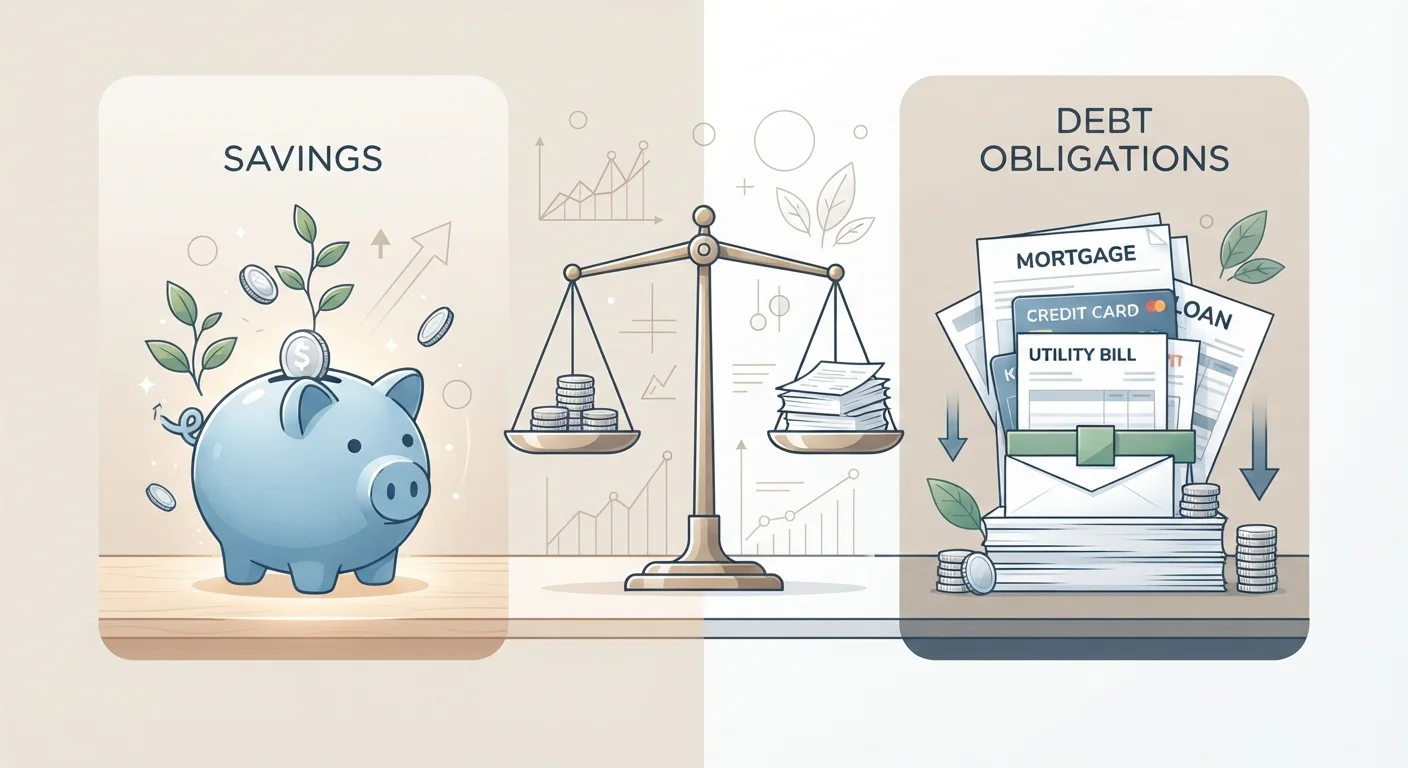
The Factors That Determine Whether to Save or Pay Down Debt First
Interest rates, income stability, and loan type all influence which move makes more financial sense. Here's how to think it through.

The Real Reasons Americans Struggle to Build Savings (And What Research Suggests)
It's not just about spending less. Income volatility, unexpected costs, and behavioral patterns all play a role in saving gaps.

What APR, APY, and Interest Rate Actually Mean for Your Money
APR, APY, and interest rate sound similar but mean different things. This quick-reference guide cuts through the confusion.
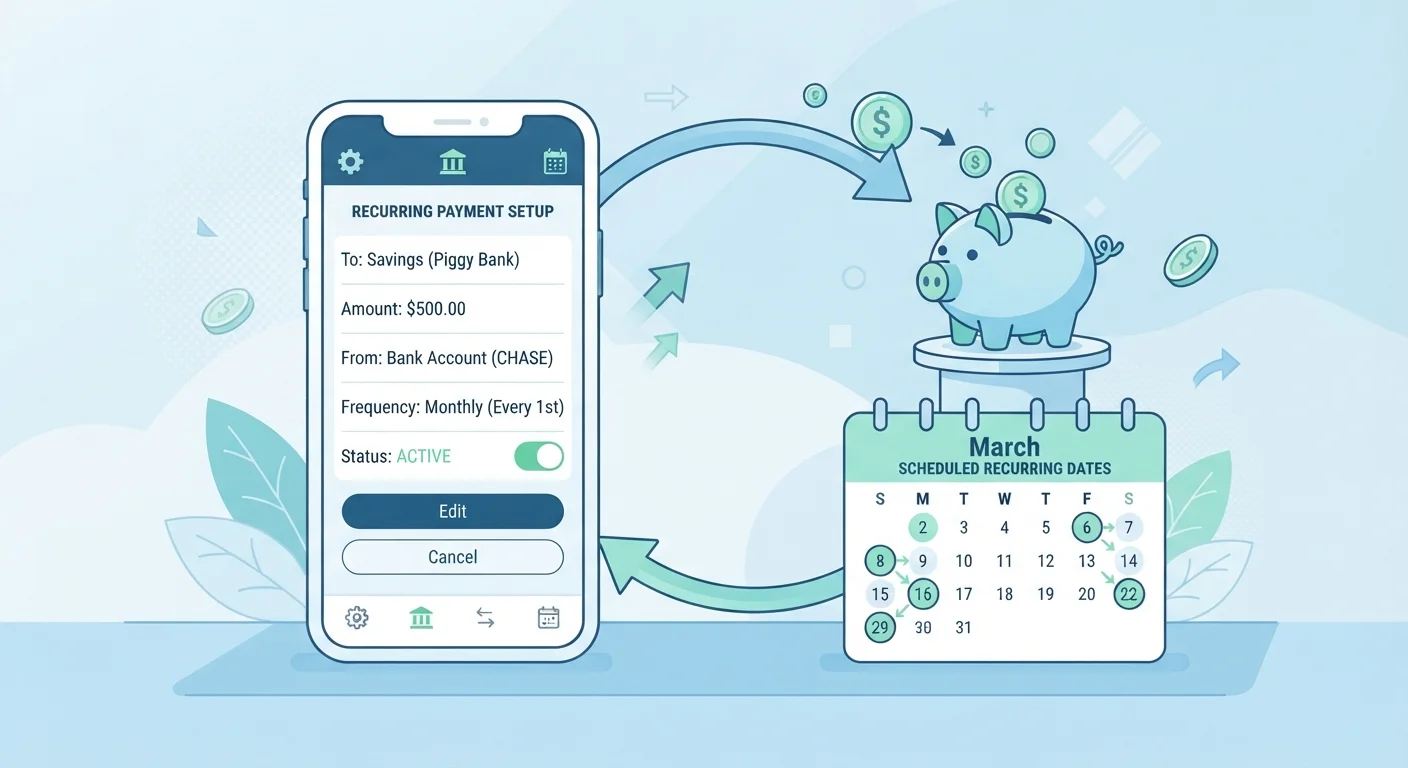
Why Automating Savings Works-and Where It Can Backfire
Automatic transfers remove friction from saving, but they can also cause overdrafts or mask cash flow problems. The full trade-off, explained.

A Financial Vocabulary Glossary for Beginners: 30 Terms Defined Simply
APR, amortization, equity, solvency — financial jargon can be overwhelming. This reference defines 30 essential terms in plain, everyday language.

Assets and Liabilities: The Two Sides of Your Financial Picture
Understanding assets and liabilities is the first step to reading your own financial situation clearly. Here's what each term means and how they interact.
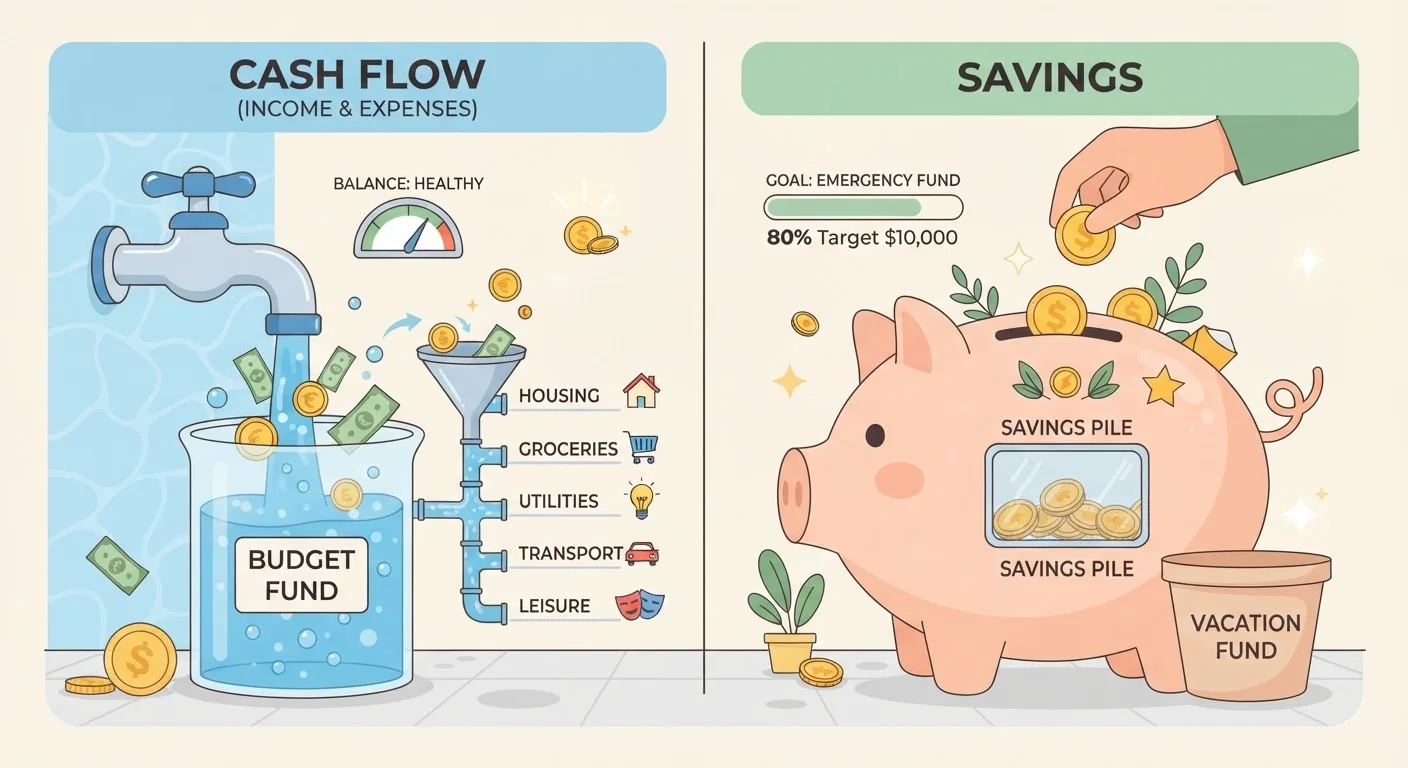
Cash Flow vs. Savings: Two Concepts That Beginners Often Confuse
Having savings doesn't automatically mean healthy cash flow — and vice versa. Understand how these two concepts differ and why both matter.

Compound Interest: The Math Behind Why Starting Early Matters So Much
Compound interest can work for or against you. Understand how it's calculated, why time amplifies its effect, and where it shows up in daily life.

Financial Goals That Actually Stick: How to Set Them in Plain Terms
Vague goals rarely lead to results. Learn a practical, structured approach to defining short-, medium-, and long-term financial goals that you can track.
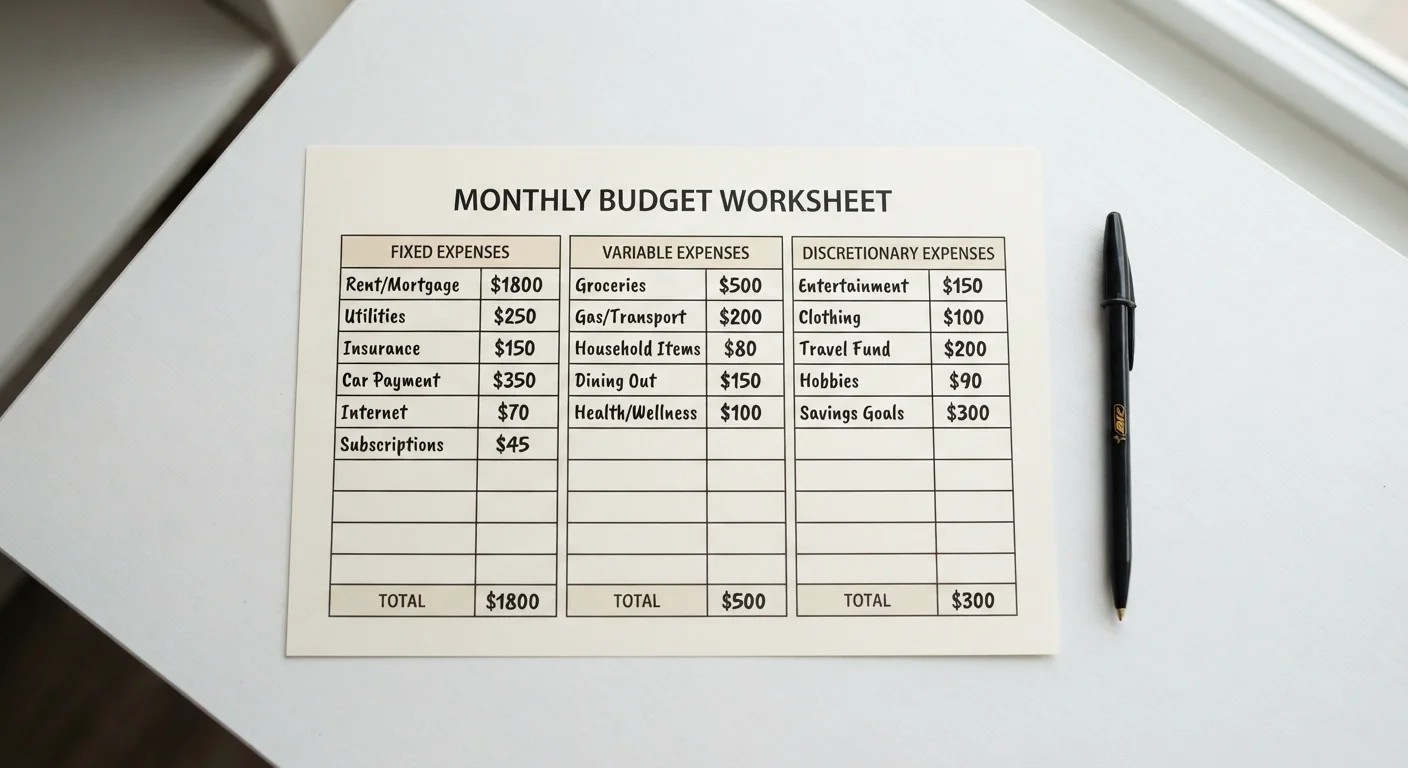
Fixed Expenses, Variable Expenses, and Discretionary Spending: A Clear Breakdown
Not all spending works the same way. Learn the difference between fixed, variable, and discretionary expenses and why the distinction matters for budgeting.

Interest Rates: What They Are, How They're Set, and Why They Affect You
Interest rates show up in mortgages, savings accounts, and credit cards. Here's a plain-language guide to what they are and why they move up and down.

Liquidity Explained: Why Having Accessible Money Is a Financial Advantage
Liquidity describes how quickly you can access your money. Learn why it matters, how different accounts compare, and when low liquidity becomes a risk.

Needs vs. Wants: Why the Line Is Blurrier Than It Looks
The classic needs-vs-wants rule sounds simple, but real spending decisions rarely are. Explore what the distinction really means and how to apply it practically.
Net Worth, Income, and Wealth: What Each Term Actually Means
Net worth, income, and wealth are often used interchangeably — but they mean different things. Here's a plain-language breakdown of each.

The Earliest Money Habits That Shape Long-Term Financial Outcomes
Small financial behaviors, repeated over years, have outsized effects. Explore which foundational habits matter most and the reasoning behind each.

The Money Beliefs That Hold Beginners Back - and What the Evidence Actually Shows
From "you need a lot of money to start saving" to "debt is always bad" — common money myths debunked with straightforward facts.
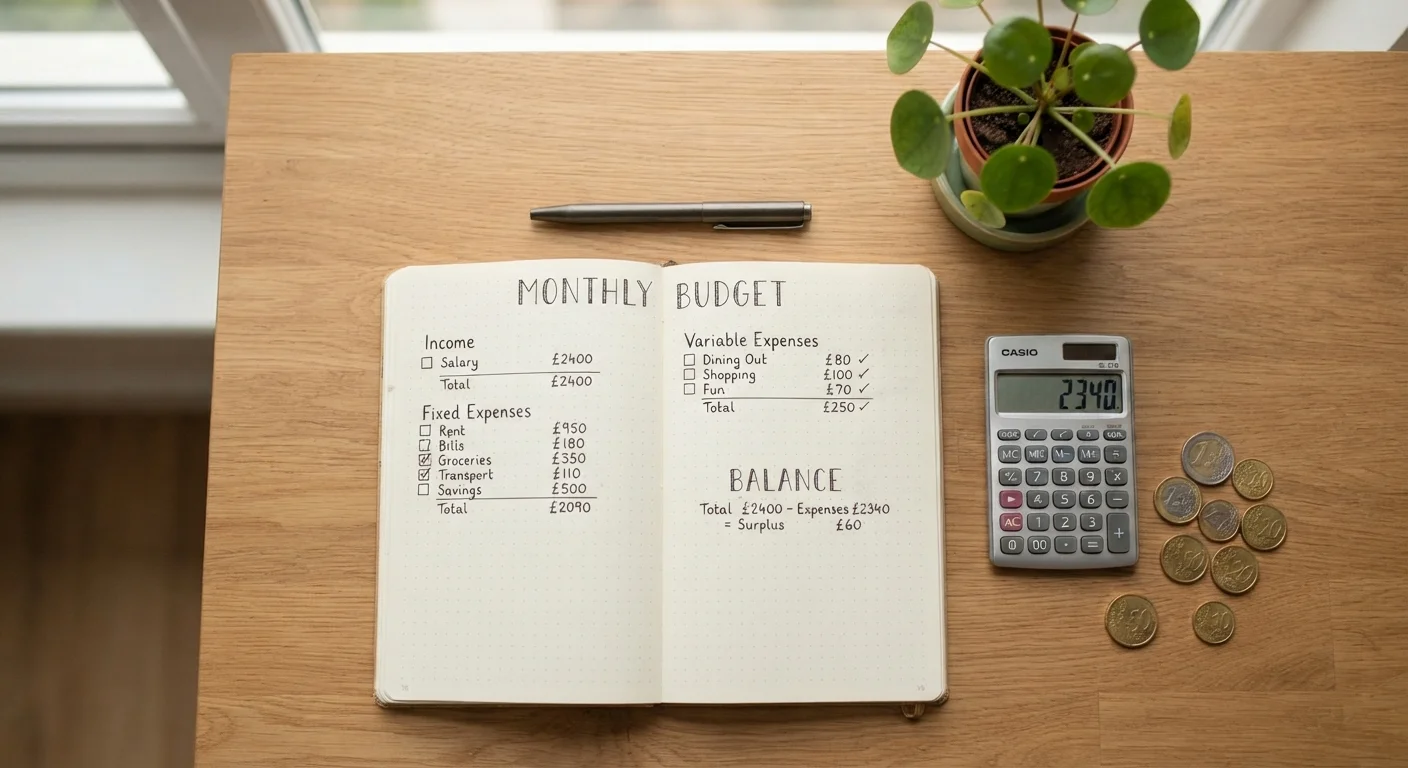
The Personal Finance Concepts Every Beginner Should Know Before Anything Else
From budgeting to compound interest, this comprehensive introduction covers the core money concepts that lay the foundation for financial health.

Where Beginners Go Wrong With Money - and Why These Mistakes Are So Common
Most early financial missteps aren't caused by bad intentions — they're caused by gaps in knowledge. Learn what they are, why they happen, and how to sidestep them.

Where Your Paycheck Actually Goes: Understanding Gross vs. Net Pay
Confused why your paycheck is smaller than your salary? Learn what gross and net pay mean and what deductions appear between the two.

Why Inflation Quietly Erodes Your Purchasing Power Over Time
Inflation isn't just a news headline — it affects what your money can actually buy. Here's how it works and why it matters for everyday financial decisions.