
Building a Savings Habit on a Tight Budget
Small, consistent contributions matter more than large occasional ones. Here's how to make saving work even when money is short.
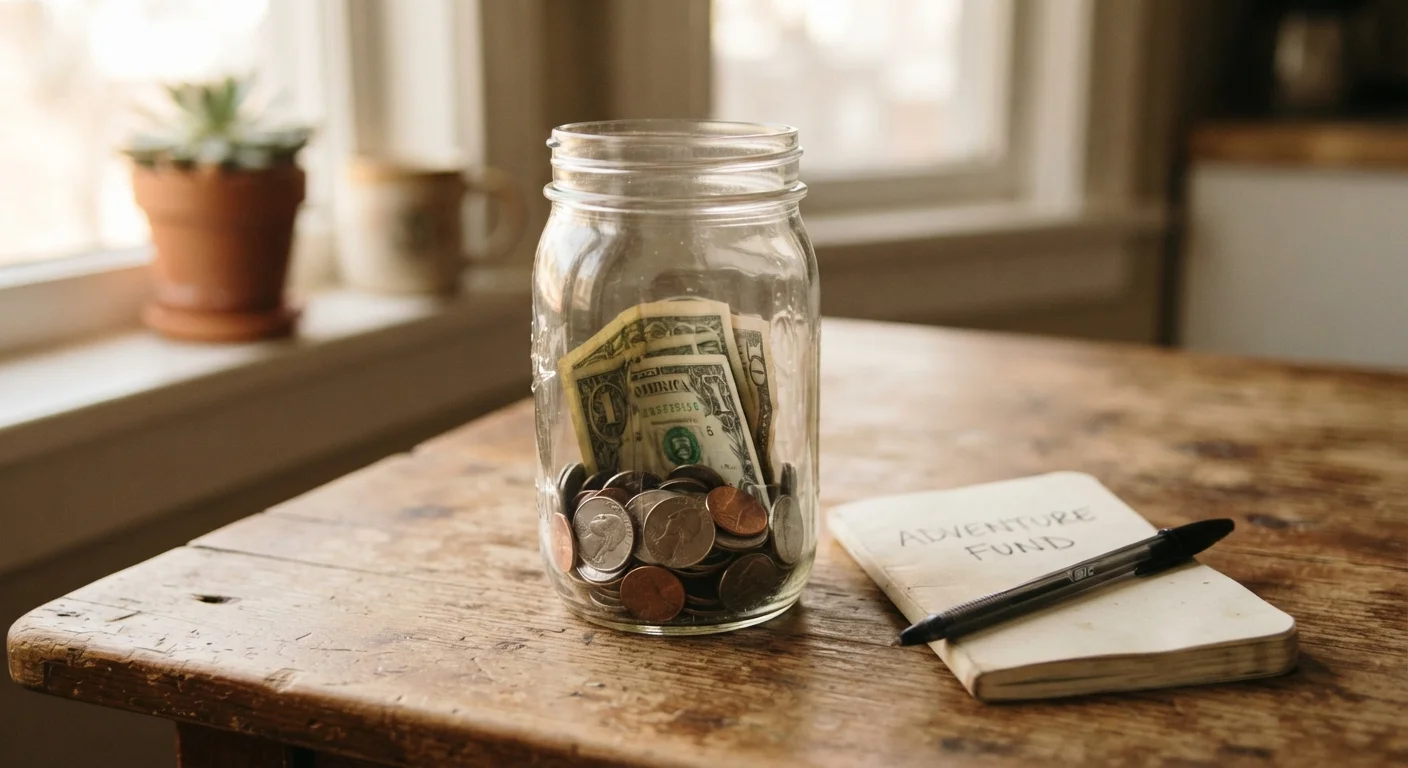
Photo: FaqsDrive.com | Smart Way To Search editorial
—— In This Article
Key Takeaways
- Saving even $5 or $10 at a time builds a lasting habit — consistency matters more than the amount.
- Automating transfers removes the temptation to skip saving, even when money is tight.
- A small emergency fund of $500–$1,000 reduces the risk of falling back into debt after an unexpected expense.
- Keeping savings in a separate account helps prevent unplanned spending.
- Balancing debt payoff with small regular savings contributions is more sustainable than choosing one or the other.
Why Consistency Beats the Dollar Amount
Most people put off saving because they don't feel like they have enough to make it worthwhile. But the habit itself — the act of setting money aside regularly — matters more than the size of the transfer. A $10 automatic transfer every week adds up to over $500 in a year. More importantly, it trains your brain to treat saving as a normal part of your financial routine rather than something you do with whatever's left over.
The reasons Americans struggle to save go beyond just spending too much. Income that varies month to month, surprise expenses, and the mental friction of deciding to save all play a role. Recognizing these as common, structural challenges — not personal failures — makes it easier to take action.
The most effective way to cut through that friction is to remove the decision entirely. Automating a savings transfer makes saving the default — your money moves before you have a chance to spend it. Just keep a close eye on your cash flow to avoid overdrafts. A safe approach is to schedule the transfer for the day after your paycheck clears.
It also helps to keep savings in a separate account from your everyday checking. Out of sight, out of mind genuinely works here. Money sitting in a checking account is far more likely to be spent.
Practices That Build the Habit
None of these require a large income. They require a plan you can actually stick to. Work through them one at a time, and don't wait until you feel financially comfortable to start — that feeling tends to arrive much later than the habit does.
Treat saving as a non-negotiable expense by scheduling a transfer on payday before anything else.
When saving is optional, it tends to get skipped. Setting up an automatic, fixed deduction changes the default behavior and breaks the pattern of spending first and saving whatever happens to be left over — which is usually nothing. This approach works regardless of income level.
Start with an amount so small it barely registers — even $5 or $10 a week.
The biggest barrier to saving is often the feeling that the amount isn't worth bothering with. Starting small removes that psychological hurdle and builds the habit before income grows. Amounts can always be increased later as your situation improves.
Open a dedicated savings account and keep it separate from your everyday checking account.
Money sitting in a checking account is psychologically easier to spend. A separate account — even at the same bank — creates a mental boundary and adds just enough friction to discourage impulse withdrawals. Naming the account for its purpose reinforces the intention.
Review your bank and credit card statements once a month to spot spending patterns you can redirect.
Most people are genuinely surprised by where their money goes when they look closely at statements. Monthly reviews surface forgotten subscriptions, recurring charges, and spending habits that can be adjusted to free up money for saving — without cutting anything truly essential.
Prioritize building a small emergency fund — around $500 to $1,000 — before pursuing other savings goals.
Without a basic buffer, a single unexpected expense can derail your plan and push you back into debt. A starter emergency fund stabilizes your finances and reduces the need to borrow when something comes up. It's a foundation, not a final destination.
Set up sinking funds for large, predictable expenses so they don't feel like financial emergencies.
Car maintenance, insurance renewals, holiday spending, and similar costs are easy to forget until they arrive. Setting aside a small, consistent monthly amount for each prevents last-minute scrambling — and keeps you from relying on credit when the bill shows up.
Actions You Can Take This Week
If you're not sure where to begin, start with one concrete action. These don't require a budget overhaul — just a few minutes and the willingness to start small. Pick the option that fits your situation best and do it today.
Saving and Debt at the Same Time
One of the most common questions when money is tight: should you pay off debt first, or save? The answer depends on the type of debt you're carrying — but in most cases, doing both at once is more realistic than choosing one entirely.
High-interest debt, like credit card balances, typically costs more in interest than a savings account earns. So aggressively paying that down usually makes financial sense. But putting savings completely on hold is risky. Without any buffer, the next unexpected bill often goes straight back on a credit card — undoing months of progress. Paying off debt while also saving works best when you treat both as fixed line items in your budget, even if the savings portion starts very small.
For expenses you know are coming — car registration, an insurance renewal, home maintenance — a sinking fund prevents them from feeling like emergencies. Sinking funds work by setting aside a predictable amount each month so the bill doesn't blindside your budget when it arrives.
For a broader look at keeping your spending plan on track over time, see habits that keep a budget running month after month.
This article is for general informational purposes only and does not constitute personalized financial, tax, or investment advice. Consider speaking with a licensed financial professional for guidance specific to your situation.

Personal Finance Editorial Team
Personal Finance Editorial Team is the collective byline for our editorial team and contributor network. Articles published under this byline or an editorial pen name are researched, written, and reviewed according to our editorial standards for clarity, consistency, and independence before publication.
View author profile