
Taking Control of Your Money: A Complete Introduction to Budgeting
Everything a first-time budgeter needs to know — from why budgets matter to how to track spending and adjust over time.
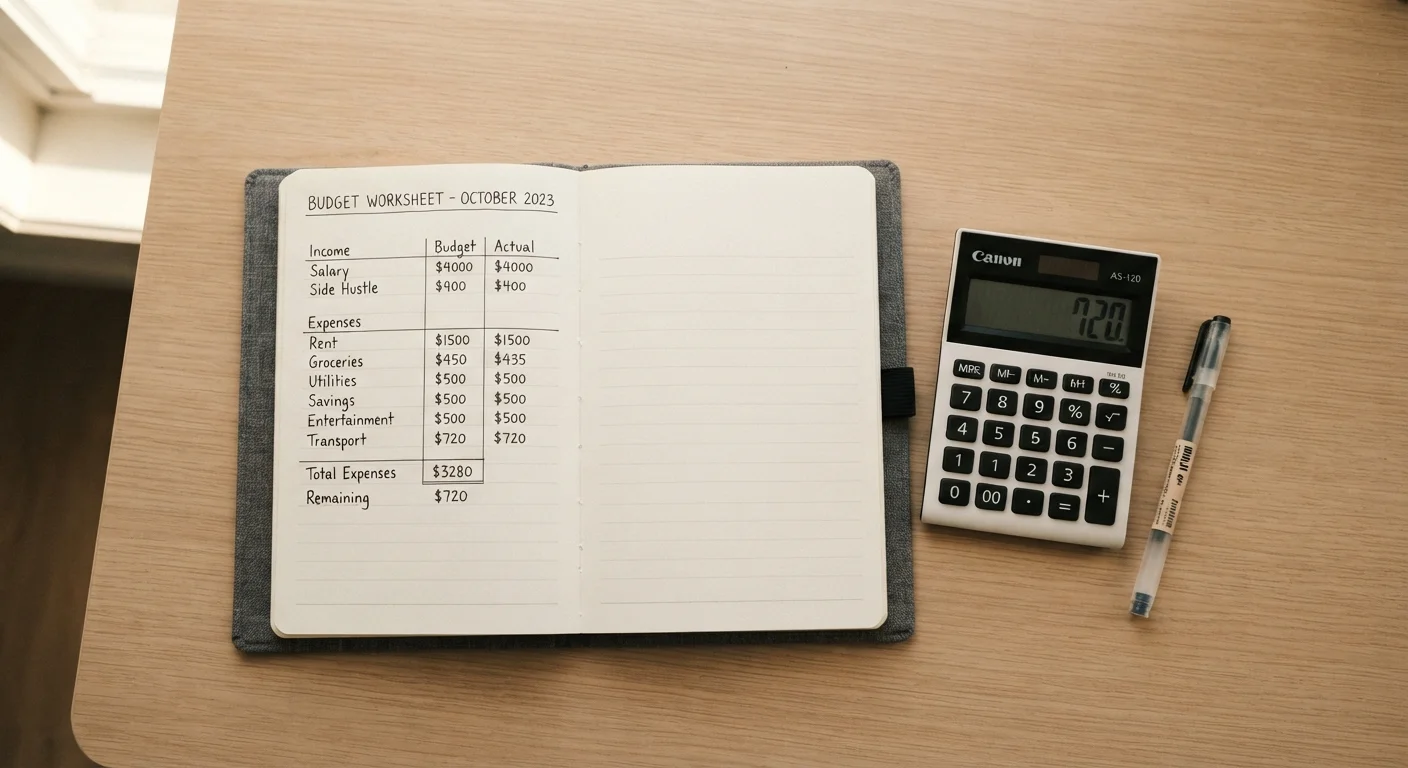
Photo: FaqsDrive.com | Smart Way To Search editorial
—— In This Article
Key Takeaways
- A budget is a spending plan — not a punishment — that tells your money where to go.
- Knowing your take-home income is the essential first step before anything else.
- Simple methods like the 50/30/20 rule work well for most beginners.
- Tracking actual spending reveals the gaps between your plan and reality.
- Budgets need regular review and adjustment — they are living documents, not set-and-forget rules.
Why Budgeting Matters
A budget is simply a written plan for how you will use your income each month. It is not a way to punish yourself for spending, and it does not require a high income to be useful. What it does is give you a clear picture of where your money is going — which is the starting point for any meaningful financial progress.
Without a plan, it is easy to reach the end of the month and have no clear sense of where the money went. A budget closes that gap. It helps you cover essentials reliably, avoid carrying unnecessary debt, and set aside something for the future — even if that amount starts small.
If you want a broader look at how budgeting fits into your overall financial life, the personal budget reference guide covers income categories, irregular expenses, and more in depth.
Start With One Month of Real Data
Before setting budget targets, look back at one month of actual bank and credit card statements. This shows your real spending patterns rather than what you guess them to be. Most people are surprised by at least one category.
Key Budgeting Concepts to Know First
Before building a budget, a few terms are worth understanding. Knowing what these words mean makes the whole process less intimidating.
Take-home pay
The amount of money you actually receive after taxes and other deductions are removed from your paycheck. This is the number you budget from — not your gross salary.
Fixed expenses
Costs that stay the same every month, like rent or a car payment. These are easy to plan for because the amount doesn't change.
Variable expenses
Costs that fluctuate month to month, such as groceries, gas, or dining out. These require estimation and close tracking.
Discretionary spending
Money spent on non-essential wants — entertainment, hobbies, subscriptions you could live without. This is typically the most flexible part of a budget.
Savings rate
The percentage of your income you set aside rather than spend. Even a small savings rate, maintained consistently, builds a meaningful cushion over time.
Budget deficit
When your planned or actual spending exceeds your income for the period. A recurring deficit is a signal that expenses need to be reduced or income needs to grow.
For a fuller glossary of terms you'll encounter as you learn more, see the budgeting terms glossary.
Choosing a Budgeting Method
There is no single correct way to budget. The best method is the one you will actually follow. Here are three straightforward approaches beginners commonly use:
- 50/30/20 rule: Allocate roughly 50% of take-home pay to needs (rent, groceries, utilities), 30% to wants (dining out, entertainment), and 20% to savings and debt repayment. The percentages are guidelines — adjust them to fit your situation.
- Zero-based budgeting: Assign every dollar of income a specific job until the difference between income and planned spending equals zero. This method demands more detail but leaves nothing unaccounted for.
- Envelope method: Divide cash into labeled envelopes for each spending category. When an envelope is empty, spending in that category stops for the month. This works well for people who find digital tools abstract.
For a hands-on, step-by-step walkthrough of building your first budget, the guide on building your first budget from scratch is a helpful next read.
No Method Works for Everyone
The 50/30/20 rule assumes a certain income-to-expense ratio that may not match your reality, especially if you live in a high-cost area or carry significant debt. Treat any percentage framework as a starting point, not a rigid rule. Adjust categories until your plan reflects your actual life.
Tracking Your Spending
Creating a budget is one thing; knowing whether you're sticking to it is another. Tracking means recording every purchase — groceries, coffee, subscriptions — so you can compare actual spending to your plan at month's end.
You can track spending in a notebook, a spreadsheet, or a free app. The format matters less than the habit of doing it consistently. Many people find it easiest to log purchases daily before they forget them.
At the end of the month, look at each category: Did you spend more or less than you planned? Categories where you consistently overspend signal either that the budget allocation is too low or that a spending habit needs attention. Neither finding is a failure — both are information.
Don't Skip Irregular Expenses
Expenses like car registration, annual subscriptions, or holiday gifts don't show up every month — but they're predictable. Divide these annual costs by twelve and set that amount aside monthly so they don't derail your budget when they arrive.
Adjusting Your Budget Over Time
A budget is a living document. Life changes — income shifts, a new expense appears, a debt gets paid off — and your budget should shift with it. Plan to review your numbers at least once a month.
During each review, ask three questions: Did income match expectations? Which categories ran over or under? Is there anything new next month to plan for? Answering these takes less than thirty minutes and keeps your plan grounded in reality rather than outdated assumptions.
Once you have the basics down, building consistent routines around your budget is what turns a one-time exercise into a lasting habit. The article on habits that keep a budget running month after month covers exactly that. And when you are ready to connect budgeting to saving and paying down debt, saving and debt management for beginners is a practical next step.
This article is for general informational purposes only and does not constitute personalised financial advice. For guidance tailored to your specific situation, consider consulting a qualified financial professional.
Frequently Asked Questions

Personal Finance Editorial Team
Personal Finance Editorial Team is the collective byline for our editorial team and contributor network. Articles published under this byline or an editorial pen name are researched, written, and reviewed according to our editorial standards for clarity, consistency, and independence before publication.
View author profile