
Sinking Funds: The Budgeting Tool That Makes Large Expenses Feel Manageable
A sinking fund sets money aside gradually for a known future expense. Learn how they work and when they're worth using.
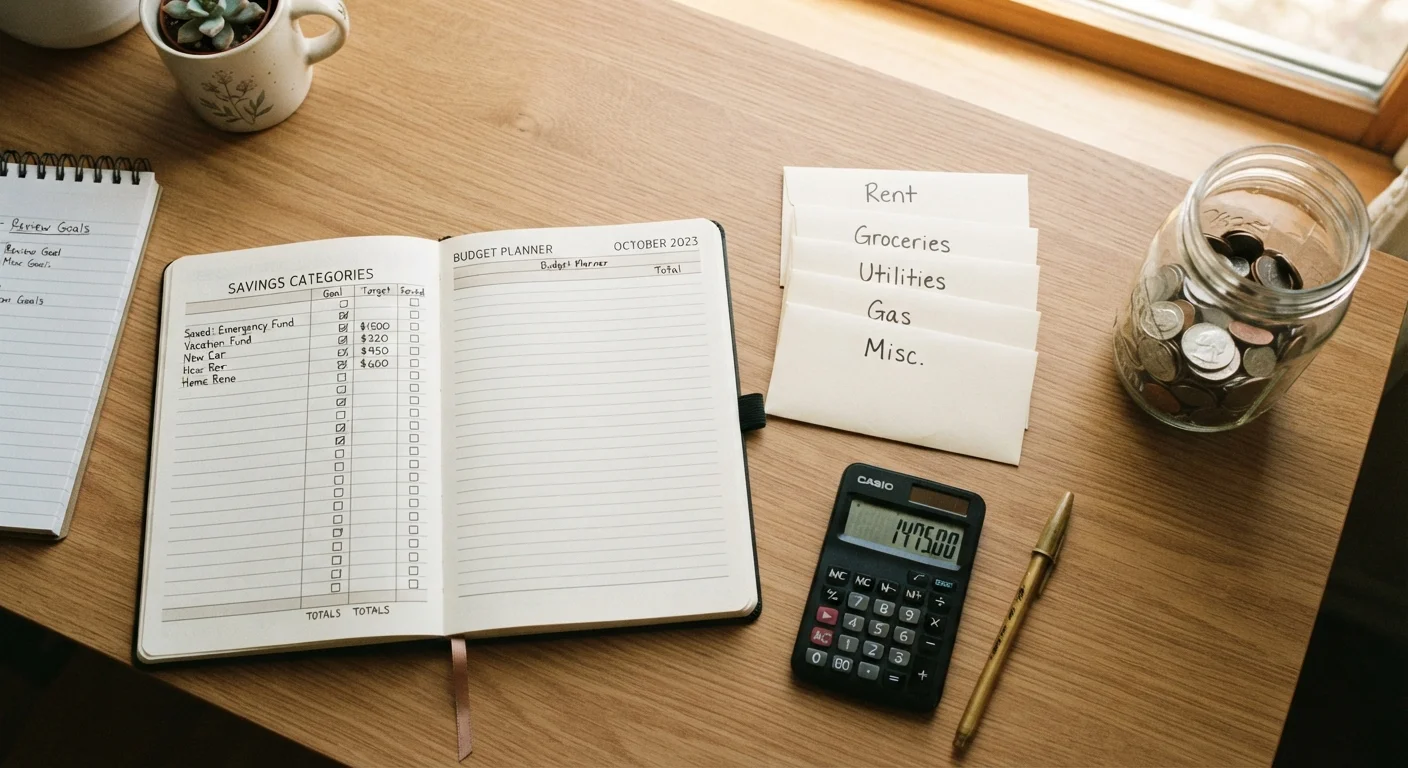
Photo: FaqsDrive.com | Smart Way To Search editorial
—— In This Article
Key Takeaways
- A sinking fund saves money gradually for a specific, known future expense — not for surprises.
- Divide the total amount needed by the months available to find your monthly contribution.
- Sinking funds differ from emergency funds, which are reserved for unexpected costs.
- Even when carrying debt, sinking funds for unavoidable expenses can prevent costlier credit card charges.
- Starting with one small, consistent contribution is enough to build the habit over time.
What a Sinking Fund Actually Is
A sinking fund is a dedicated savings pool you build up gradually to cover a specific, expected future expense. The name sounds more complicated than it is: instead of scrambling when a big bill arrives, you spread the cost across months in advance.
This is different from an emergency fund, which exists for costs you didn't see coming — a sudden car breakdown, a medical bill, or an unexpected job loss. Sinking funds are for expenses you already know are on the horizon: a car registration renewal, holiday gifts, a home repair, or a dental checkup not fully covered by insurance. For a closer look at how the two tools compare, see our piece on what determines the right emergency fund size.
Both terms are also defined in our budgeting terms glossary if you want a quick reference.
Sinking Funds vs. Emergency Funds
These two tools are often confused but serve different purposes. An emergency fund is a financial safety net for surprise costs you couldn't have predicted. A sinking fund is a planning tool for costs you already know are coming. Ideally, your budget makes room for both: the emergency fund handles the unexpected, while sinking funds keep predictable big expenses from feeling like a crisis.
How to Set One Up
Building a sinking fund requires just two pieces of information: the total amount you need and the date you need it by.
Divide the total by the number of months until then — that's your monthly contribution. Saving $600 for new tires six months from now? Set aside $100 a month. The math is straightforward, and the plan removes the guesswork from a large future purchase.
Where you keep the money is flexible. Some people open a separate savings account — or one account per goal — to prevent accidentally spending the funds. Others label it as a budget category inside whatever tool they already use. The method matters less than the consistency. Our article on habits that keep a budget running month after month offers practical ways to make contributions like this automatic and easy to sustain.
Start With Just One Goal
You don't need multiple savings accounts on day one. Pick the single expense that stresses you out most — holiday spending, car maintenance, or a predictable annual bill — and build that fund first. Once the habit feels natural, adding a second goal becomes much easier. Small, consistent contributions over time matter more than starting with a large amount.
Balancing Sinking Funds With Debt
If you're carrying high-interest debt, every dollar you set aside in a sinking fund is a dollar that's not going toward that balance. That trade-off is worth naming plainly.
A practical middle path: keep funding sinking funds for expenses that are genuinely unavoidable — annual car insurance, back-to-school costs, a home maintenance item you can't defer. Skipping those contributions often means charging the expense to a credit card anyway, which can cost more in interest than the savings would have been worth. Understanding how fixed and variable expenses fit into a budget can help you tell the difference between what's truly necessary and what can wait.
For more discretionary goals — a vacation, a new piece of furniture — it's reasonable to pause those contributions and direct the money toward debt while the interest rate is high.
This article is general financial education and is not personalized financial advice. For decisions specific to your situation, consider speaking with a licensed financial professional.
Expenses Worth Planning For
Sinking funds work best for costs that are predictable in both amount and timing. Common categories worth considering include:
- Annual insurance premiums — car, home, or renters coverage paid once a year
- Vehicle maintenance — oil changes, tires, and registration fees
- Holiday and gift spending — one of the most frequently underestimated recurring costs
- Home repairs and upkeep — even renters face costs like appliance replacement or move-out fees
- Medical and dental expenses — anticipated copays or procedures not fully covered by insurance
You don't need to fund all of these at once. Start with one or two categories that tend to catch you off guard, then add more as the habit feels natural. Building a savings habit on a tight budget walks through how small, consistent contributions can add up even when money feels stretched.
Frequently Asked Questions

Personal Finance Editorial Team
Personal Finance Editorial Team is the collective byline for our editorial team and contributor network. Articles published under this byline or an editorial pen name are researched, written, and reviewed according to our editorial standards for clarity, consistency, and independence before publication.
View author profile