
Your First Garden, From Bare Dirt to Thriving Beds
Everything a first-time gardener needs to know — from choosing a site and preparing soil to planting and watering with confidence.
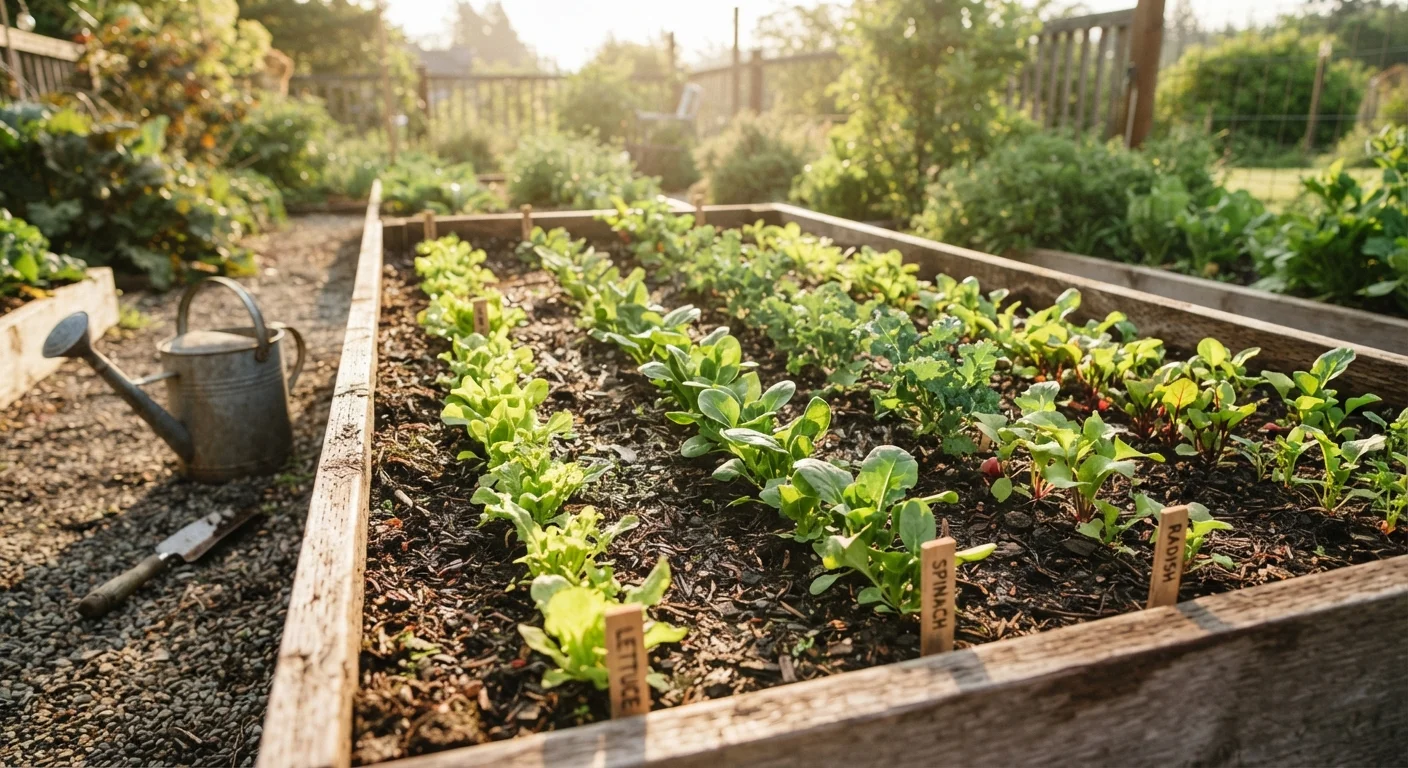
Photo: FaqsDrive.com | Smart Way To Search editorial
—— In This Article
Key Takeaways
- Most vegetables need at least six hours of direct sunlight daily — site selection is the single most important first decision.
- Healthy soil is the foundation of a productive garden; amending it before planting pays off all season.
- Starting small with forgiving crops reduces frustration and builds confidence in year one.
- Consistent, deep watering is more effective than frequent shallow watering for most garden plants.
- Many common beginner problems — overcrowding, overwatering, poor timing — are easy to prevent once you know what to watch for.
Choosing the Right Spot
Before you buy a single seed packet, walk your yard at different times of day and observe where sunlight falls. Most food crops — vegetables, herbs, strawberries — need six to eight hours of direct sun daily. Shade from trees, fences, or the house itself is the number one reason first gardens underperform.
Beyond sun, look for a spot that:
- Drains reasonably well after heavy rain — standing water suffocates roots
- Has convenient access to a water source
- Is relatively level, or can be leveled, to prevent erosion
- Is visible from the house, so you'll notice problems early
Size matters for beginners. A bed measuring 4 by 8 feet is genuinely enough to grow a meaningful amount of food without overwhelming you. It's far easier to expand next year than to manage more than you can handle in year one. If you're weighing the merits of different setups, the raised beds vs. in-ground planting guide covers the real tradeoffs of each approach.
Understanding and Preparing Your Soil
Soil is not just dirt — it's a living system of minerals, organic matter, water, air, and microorganisms. Giving plants poor soil is like trying to run on an empty tank. Good soil holds moisture without staying waterlogged, drains excess water, and supplies nutrients steadily.
Loam
An ideal garden soil type that contains a balanced mix of sand, silt, and clay, giving it good drainage while still holding moisture and nutrients.
pH
A scale from 0 to 14 measuring how acidic or alkaline your soil is. Most vegetables grow best in slightly acidic soil, around pH 6.0 to 7.0.
Compost
Decomposed organic material — kitchen scraps, leaves, plant trimmings — that improves soil structure, drainage, and nutrient content when mixed in.
Hardiness Zone
A geographic classification, defined by the USDA, indicating the average minimum winter temperatures in an area. It helps gardeners know which perennial plants are likely to survive the winter where they live.
Direct sowing
Planting seeds directly into the garden bed rather than starting them indoors in containers first. Some crops, like carrots and beans, grow better this way.
Mulch
A layer of material — straw, shredded leaves, wood chips — spread over the soil surface to retain moisture, suppress weeds, and regulate soil temperature.
Before planting, assess what you're working with:
- Observe texture: Grab a handful of moist soil and squeeze it. Clay soil stays clumped and sticky; sandy soil falls apart immediately. Ideal garden soil — called loam — crumbles apart after squeezing.
- Test pH if possible: Most vegetables grow best in slightly acidic to neutral soil, roughly pH 6.0–7.0. Inexpensive soil test kits are available at most garden centers and tell you whether you need to adjust.
- Add organic matter: Regardless of your soil type, working 2–4 inches of compost into the top foot of soil before planting dramatically improves structure and nutrition. See our guide on composting at home to start making your own over time.
For a structured pre-season checklist — including soil testing, clearing old growth, and tool prep — our spring garden prep guide walks through every step before the first seed goes in the ground.
Deciding What to Grow
The temptation in year one is to grow everything. Resist it. A focused, well-tended small garden will outperform an overgrown, neglected large one every time.
When choosing crops, consider these factors:
- Your climate zone: The USDA Plant Hardiness Zone Map helps you understand which plants survive your winters, but for annual vegetables, your local last frost date is more immediately useful. Your nearest cooperative extension office is a free, reliable source for this information.
- Your eating habits: Grow what you actually cook and eat. Zucchini produces prolifically, but only plant it if your household will use it.
- Days to harvest: Seed packets list how many days a crop takes to mature. In short-season climates, prioritize fast-maturing varieties.
For a curated list of crops designed for beginner success, see vegetables that are genuinely forgiving for first-time growers. You might also consider incorporating native plants into ornamental areas of your yard — they generally require less maintenance and support local pollinators that benefit your food garden too.
Start With Just Three or Four Crops
Choosing a small number of crops lets you pay closer attention to each one, learn what they need, and actually enjoy the process. Write down what worked and what didn't at the end of the season — even a few notes in a notebook will make year two noticeably easier.
Planting, Watering, and Keeping Things Going
Once your soil is prepared and your plants or seeds are chosen, the rhythm of gardening begins. A few fundamentals make the difference between plants that thrive and plants that struggle.
Planting
Follow spacing recommendations on seed packets or plant tags — crowded plants compete for light, air, and nutrients, and poor airflow promotes disease. Plant at the correct depth: a general rule is to sow seeds at a depth two to three times their diameter.
Watering
Consistent, deep watering builds strong root systems. Aim for about one inch per week total. Water at the base of plants rather than overhead when possible, since wet foliage can encourage fungal problems. The watering habits guide goes deeper on timing, technique, and reading your plants' signals.
Ongoing care
- Mulch: A 2–3 inch layer of straw, shredded leaves, or wood chips around plants retains moisture, suppresses weeds, and moderates soil temperature.
- Weeding: Pull weeds while they're small, before they set seed. A few minutes each week is far easier than a full day of reclamation.
- Observation: Walk through your garden regularly. Early signs of pests or disease are far easier to manage than full infestations.
Common First-Year Mistakes and How to Avoid Them
Most beginner setbacks follow predictable patterns. Knowing them in advance removes much of the guesswork.
Don't Let Enthusiasm Outpace Your Space
Planting too much, too densely, is one of the most common beginner errors. Overcrowded plants compete for resources, block airflow, and become harder to harvest and maintain. When in doubt, plant less than you think you need — you can always fill gaps with a second sowing of fast-growing crops like radishes or lettuce.
- Overwatering
- More plants die from too much water than too little. Yellowing leaves, soggy soil, and wilting despite wet soil are all warning signs. Always check soil moisture before watering.
- Planting too early
- Frost-sensitive transplants set out before the last frost date can be killed overnight. Patience here pays off — plants set out at the right time usually catch up to or outperform those planted early under stress.
- Skipping thinning
- When direct-sown seeds germinate, many beginners can't bring themselves to remove seedlings. But overcrowded plants never reach their potential. Thin to the spacing on the packet, even when it feels wasteful.
- Ignoring seedling problems
- Leggy, pale, or collapsing seedlings are telling you something is wrong — usually insufficient light or overwatering. Our article on why seedlings keep dying explains the most common causes and fixes.
Gardening is a practice, not a performance. Every season teaches you something the last one couldn't. For a broader view of what your garden will need across all four seasons, the year-round garden maintenance overview is a natural next step once your first beds are established.
Frequently Asked Questions

Home & Garden Editorial Team
Home & Garden Editorial Team is the collective byline for our editorial team and contributor network. Articles published under this byline or an editorial pen name are researched, written, and reviewed according to our editorial standards for clarity, consistency, and independence before publication.
View author profile