
Vegetables That Are Genuinely Forgiving for First-Time Growers
Some crops are naturally more tolerant of beginner mistakes. This list covers which vegetables reward new gardeners most reliably and why.
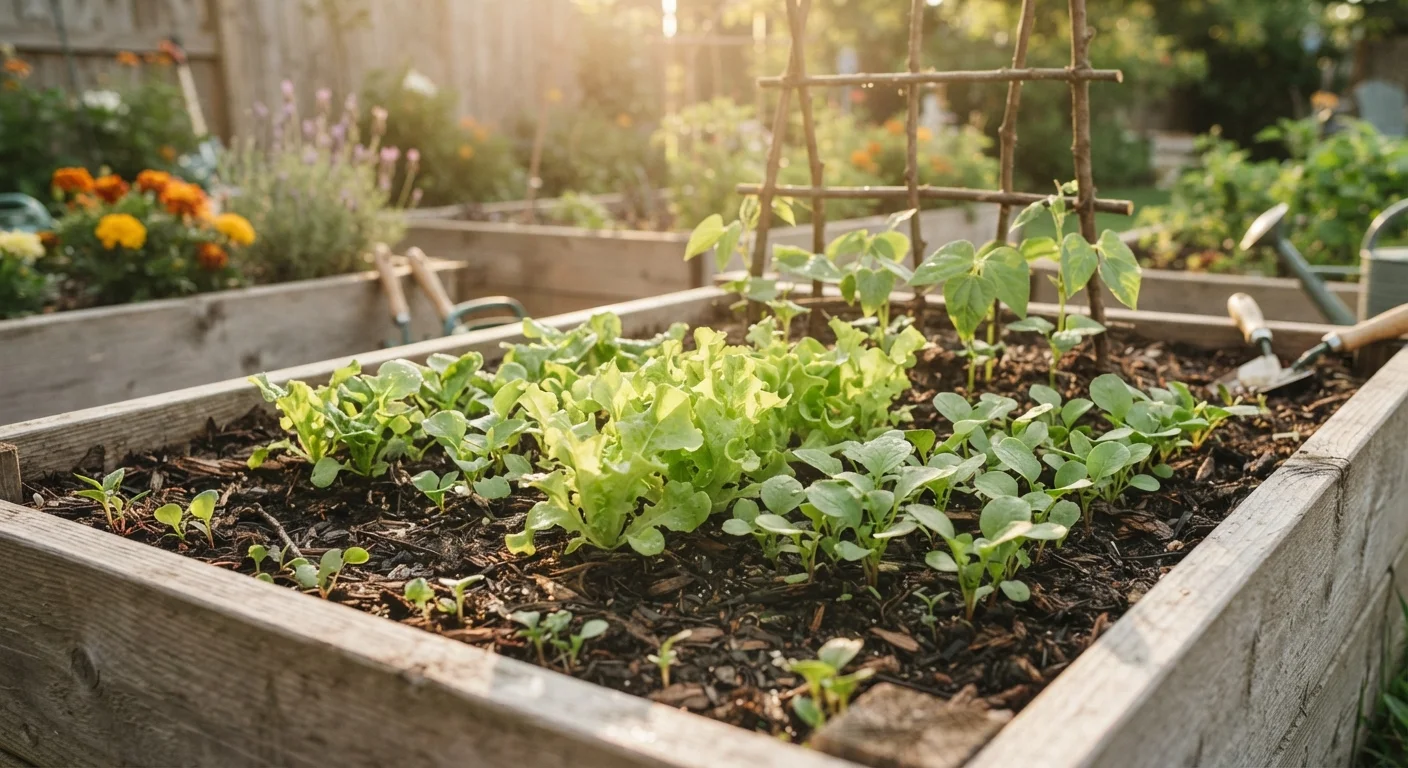
Photo: FaqsDrive.com | Smart Way To Search editorial
—— In This Article
Key Takeaways
- Some vegetables tolerate irregular watering, poor soil, and timing mistakes far better than others.
- Radishes, green beans, lettuce, and zucchini are among the most reliably beginner-friendly crops.
- Starting with forgiving vegetables builds confidence and practical skills for growing more demanding crops later.
- Understanding why a crop is easy — not just which ones — helps you make smarter garden decisions.
Why Your First Crop Choice Matters More Than You Think
Every new gardener makes mistakes — overwatering, planting too deep, skipping thinning, or misjudging the last frost date. The difference between a discouraging first season and an energizing one often comes down to a single decision made before you touch a seed: which vegetables you choose to grow.
Some crops are biologically and temperamentally suited to the learning curve. They sprout quickly, recover from neglect, and produce a harvest even when conditions aren't perfect. Others demand precise timing, consistent moisture, or careful pest management that takes experience to manage well. If you're just starting out, the complete beginner's guide to setting up your garden is a great companion to this list.
This article focuses specifically on which vegetables are genuinely forgiving — and explains why each one works for beginners, so you understand the logic rather than just following a checklist.
Radishes
Radishes mature in as little as 22–30 days, making them one of the fastest-feedback crops a beginner can grow. That short cycle means fewer opportunities for things to go wrong — and if they do, you can simply try again within the same season.
They tolerate a wide range of soil types, germinate reliably in cool weather, and don't require staking, caging, or elaborate support structures. Direct sow them in the ground, keep them reasonably moist, and harvest before they become pithy (woody and hollow inside). Because the harvest window is short, checking on them every few days builds the observation habit that benefits every future crop.
Radishes mature in weeks, giving beginners rapid feedback and second chances within the same season.
Green Beans (Bush Variety)
Bush-type green beans — as opposed to pole beans, which need vertical support — are among the most self-sufficient vegetables in a home garden. They fix their own nitrogen from the air through root bacteria, which means they don't demand heavy feeding or especially rich soil.
They germinate well in warm soil, handle moderate drought without collapsing, and produce steadily over several weeks. Because they don't require much from the gardener, they're an excellent way to observe a full plant life cycle — germination, flowering, pod development, and harvest — without constant intervention.
Bush green beans fix their own nitrogen, reducing the demand on beginners to manage soil fertility precisely.
Lettuce
Lettuce thrives in cool weather, grows quickly, and can be harvested as a cut-and-come-again crop — meaning you trim outer leaves and the plant keeps producing rather than pulling the whole thing at once. This forgiving harvest method reduces pressure to pick at exactly the right moment.
It grows well in containers, raised beds, or in-ground plots, and tolerates partial shade better than most vegetables. Succession sowing — planting small amounts every two to three weeks — keeps production steady and prevents the entire crop from bolting (going to seed) at once if warm weather arrives early.
Cut-and-come-again harvesting lets beginners collect lettuce over time rather than nailing a single harvest window.
Zucchini
Zucchini is famous in gardening circles for being almost unstoppably productive. A single healthy plant can supply more than one household needs. While that abundance can be comical, it's genuinely useful for beginners: it's hard to feel like you've failed when the plant keeps delivering.
Zucchini grows vigorously in average soil, needs moderate and consistent watering, and has few serious pest or disease problems early in the season. The main beginner pitfall is waiting too long to harvest — fruits left on the plant grow enormous and reduce overall yield. Check plants every two to three days once fruiting begins.
A single zucchini plant produces prolifically, making it nearly impossible for beginners to feel like they've failed.
Swiss Chard
Swiss chard is one of the few vegetables that performs reliably across both cool and warm weather, giving it one of the longest and most flexible harvest windows of any garden crop. Unlike lettuce, it doesn't bolt quickly in heat, and unlike most cool-season crops, it can handle light frosts as well.
Chard tolerates inconsistent watering better than many leafy greens, recovers quickly from being cut back, and is rarely bothered by the pest pressure that plagues crops like cabbage or broccoli. Its visual variety — stems range from red to yellow to white — also makes it one of the more rewarding crops to tend for beginner gardeners who want aesthetic results alongside edible ones.
Swiss chard tolerates heat, frost, and irregular watering — qualities that make it unusually adaptable for new growers.
Kale
Kale is cold-hardy, drought-tolerant once established, and grows in poor-to-average soil without much supplemental feeding. It also benefits from frost — cold temperatures convert some of the plant's starches to sugars, improving its flavor, which means beginners who plant a little late may actually end up with a better-tasting harvest.
Because kale is harvested leaf by leaf from the bottom of the plant upward, there's no single harvest day to miss. That extended, low-pressure harvest window allows beginners to use the plant on their own schedule rather than racing to beat deterioration.
Cold temperatures actually improve kale's flavor, meaning late planters are sometimes rewarded rather than penalized.
Building Confidence Before You Graduate to Trickier Crops
Starting with forgiving vegetables isn't settling — it's smart strategy. A successful first season teaches you how your specific soil behaves, how quickly your garden dries out, and how much time you realistically have for maintenance. Those lessons are transferable to every crop you grow after.
Start Small to Build Momentum
Resist the temptation to plant a large variety of crops in your first season. Choosing two or three forgiving vegetables and growing them well teaches far more than growing ten crops poorly. A smaller, well-tended garden also makes it easier to notice problems early — before they spread or escalate.
Once you're comfortable with the basics, you can begin expanding your plant list. Before then, it's worth reviewing common gardening myths that trip up new growers — some widely shared advice actually works against you. And if unfamiliar terms come up on seed packets or planting guides, the gardener's glossary covers 40 terms beginners encounter most in their first season.
Whether you start from seed or buy young transplants also affects how forgiving the process feels — the seeds vs. transplants guide helps you decide which approach matches your schedule and budget. And when you're ready to plan ahead, spring garden prep walks you through soil testing, bed clearing, and timing before you put anything in the ground.

Home & Garden Editorial Team
Home & Garden Editorial Team is the collective byline for our editorial team and contributor network. Articles published under this byline or an editorial pen name are researched, written, and reviewed according to our editorial standards for clarity, consistency, and independence before publication.
View author profile