
Watering Habits That Keep Plants Healthy Instead of Stressed
Discover how watering frequency, timing, and technique affect plant health — and the simple signs that tell you when to water more or less.
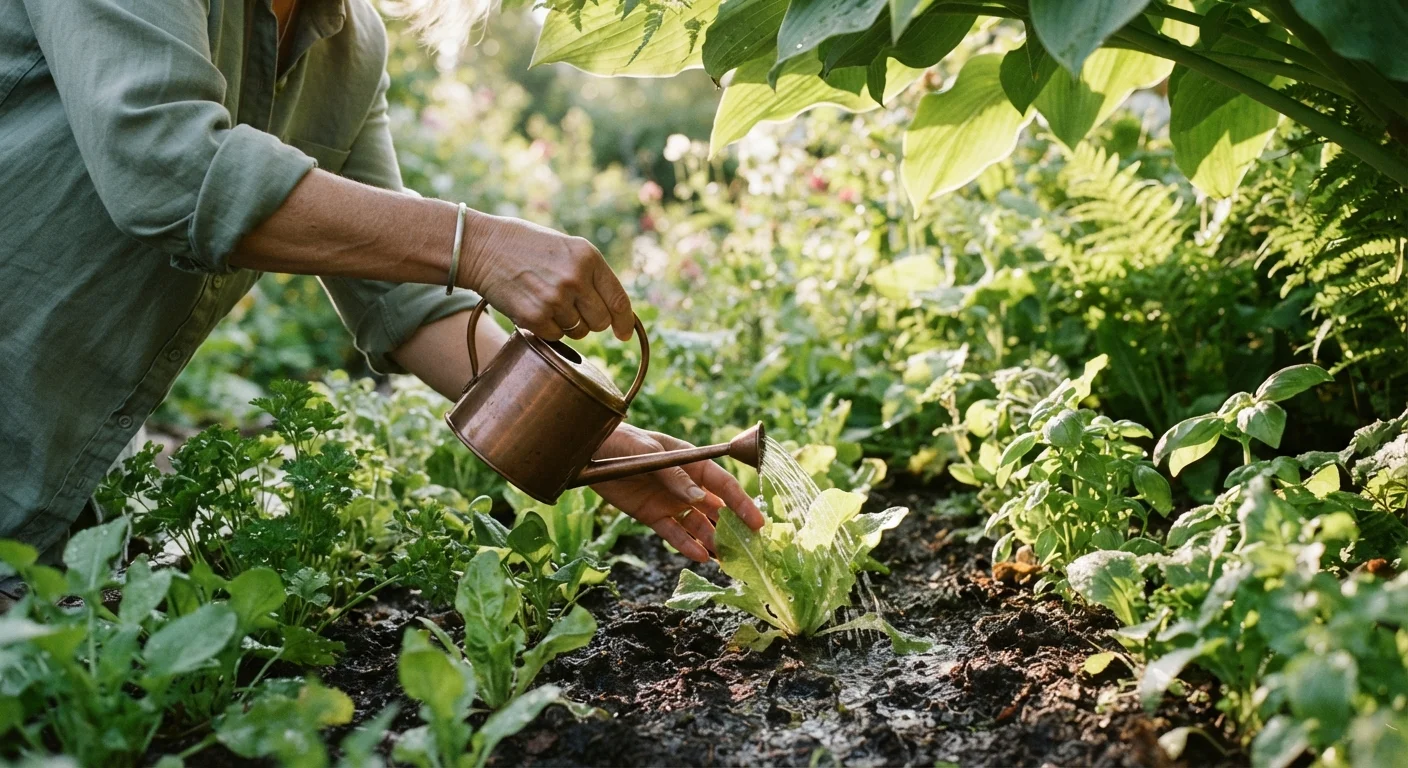
Photo: FaqsDrive.com | Smart Way To Search editorial
—— In This Article
Key Takeaways
- Water plants at the base and at soil level to reduce disease risk and focus moisture at the roots.
- Most gardens need deep, infrequent watering rather than light daily sprinkles.
- Morning is the best time to water — foliage dries quickly and roots absorb moisture before heat sets in.
- Wilting, yellowing leaves, and soggy soil are signs your watering habits need adjustment.
- Soil type significantly affects how often and how much you need to water.
Why Watering Technique Matters More Than You Think
Many new gardeners assume that more water equals healthier plants. In reality, both overwatering and underwatering are among the most common causes of plant stress and early death. Getting watering right isn't complicated, but it does require understanding a few core principles.
If you're starting a garden from scratch, our beginner's guide to building your first garden covers the foundational steps before you even pick up a watering can. And if you've already lost seedlings and aren't sure why, overwatering is often the culprit.
The goal of watering is simple: deliver enough moisture to the root zone so plants can absorb nutrients, photosynthesize, and grow — without waterlogging the soil or leaving roots to dry out.
~50%
Outdoor water used on lawns and gardens in U.S. homes
According to the U.S. Environmental Protection Agency, roughly half of residential outdoor water use goes to landscape irrigation, much of which is wasted through overwatering or inefficient methods.
2–3x
More efficient than sprinkler systems
Drip irrigation and soaker hoses are widely cited by extension horticulturalists as delivering water two to three times more efficiently than overhead sprinklers by targeting the root zone directly.
Best Practices for Healthy Plant Watering
These proven habits apply whether you're growing vegetables, flowers, or herbs. Adjust based on your specific plants and climate, but use these as your baseline approach.
Water deeply and infrequently rather than shallowly every day
Shallow daily watering encourages roots to stay near the surface, making plants fragile and drought-prone. Deep, less frequent watering pushes roots downward into the soil, where they find stable moisture and become more resilient.
Water at the base of plants, not over the foliage
Wet leaves are more susceptible to fungal diseases such as powdery mildew and blight. Directing water to the soil ensures it reaches the root zone where it's actually needed.
Water in the morning rather than in the evening
Morning watering gives foliage time to dry before temperatures drop overnight, reducing disease risk. Roots also absorb water efficiently in the cooler part of the day before afternoon heat increases evaporation.
Apply mulch around plants to retain soil moisture
A 2–3 inch layer of organic mulch (such as straw, wood chips, or shredded leaves) slows evaporation from the soil surface, meaning you water less often and plants experience fewer moisture swings.
Adjust your watering schedule with the weather
A fixed watering schedule ignores natural rainfall and temperature changes, which can lead to both overwatering in wet periods and underwatering during heat waves. Checking the forecast and responding accordingly keeps your plants balanced.
Reading the Signs Your Plants Are Giving You
Plants communicate stress clearly once you know what to look for. Overwatered plants often show yellowing lower leaves, mushy stems near the soil line, and soil that stays wet for days. Underwatered plants tend to wilt, develop dry or crispy leaf edges, and have soil that pulls away from the container or pot edges.
Before reaching for the hose, always check the soil first. Push a finger one to two inches below the surface — if it feels moist, hold off. If it's dry at that depth, it's time to water. This simple habit prevents most overwatering mistakes.
Container Plants Need More Frequent Watering
Plants grown in pots and containers dry out significantly faster than those in garden beds because they have limited soil volume and no connection to ground moisture. During warm weather, container plants may need watering daily. Always check the soil rather than relying on a fixed schedule, and ensure your containers have drainage holes so roots aren't sitting in standing water.
Soil composition plays a big role here too. Clay soils hold water longer and may only need watering every few days, while sandy soils drain quickly and may need water more frequently. Learn more about how your soil type affects plant growth and watering needs.
Quick Wins to Improve Your Watering Routine Today
You don't need to overhaul everything at once. A few small adjustments can make a measurable difference in plant health within days.
For a broader look at how watering fits into seasonal garden care, see our year-round garden maintenance overview. And if you've been following advice that doesn't seem to be working, it's worth checking common garden myths that trip up new growers — some popular watering advice simply isn't accurate.

Home & Garden Editorial Team
Home & Garden Editorial Team is the collective byline for our editorial team and contributor network. Articles published under this byline or an editorial pen name are researched, written, and reviewed according to our editorial standards for clarity, consistency, and independence before publication.
View author profile