
Why Your Seedlings Keep Dying Before They Get Going
Damping off, overwatering, and light starvation are among the most common seedling killers. Learn what's happening and how to stop it.
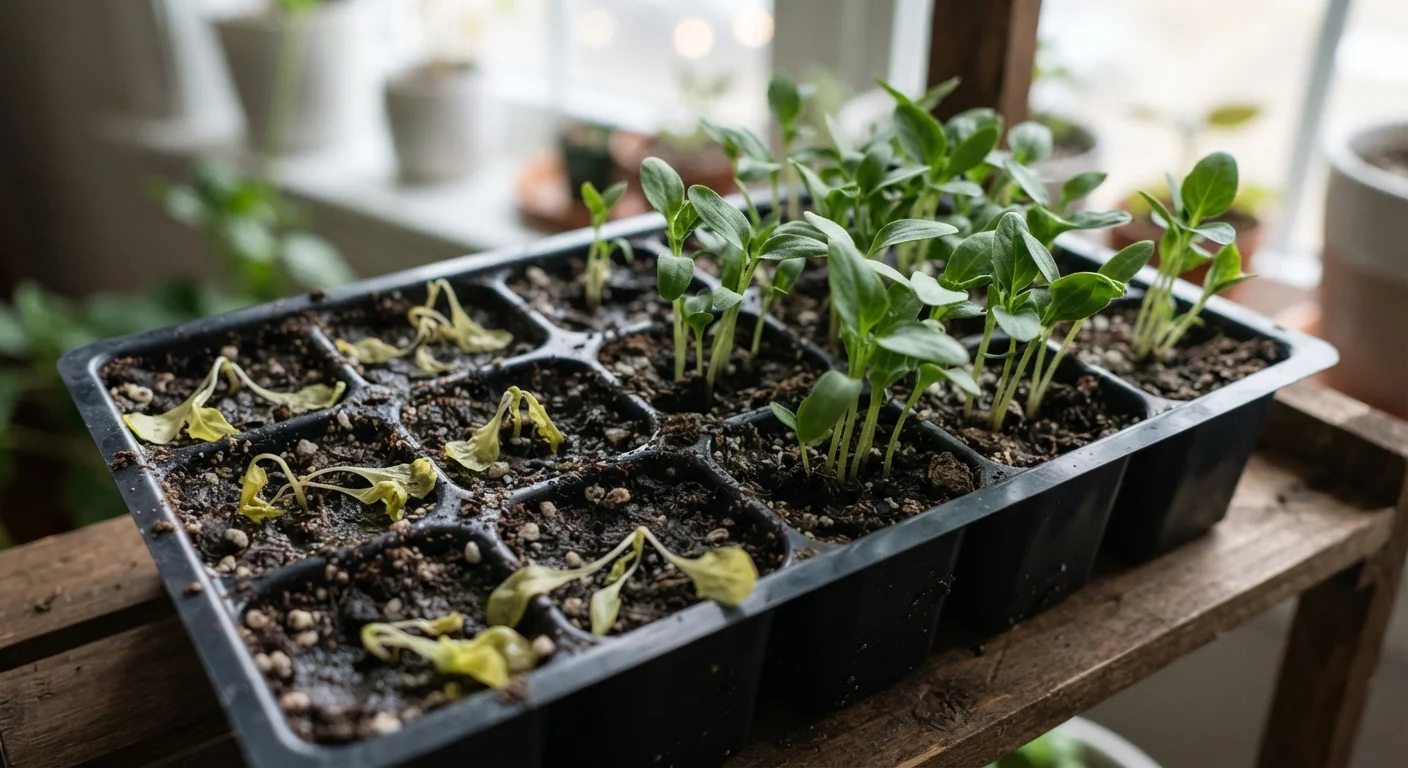
Photo: FaqsDrive.com | Smart Way To Search editorial
—— In This Article
Key Takeaways
- Overwatering is the single most common cause of seedling death for beginners.
- Damping off is a fungal condition that kills seedlings at the soil line and spreads fast.
- Most indoor seedlings need far more light than a windowsill can reliably provide.
- Starting seeds in the wrong mix — like garden soil — prevents healthy root development.
- Hardening off seedlings before transplanting prevents transplant shock and sudden collapse.
What's Really Killing Your Seedlings
Growing plants from seed feels like one of gardening's most rewarding milestones — until you check your tray and find wilted, collapsed, or simply vanished seedlings. The good news is that seedling failure almost always traces back to a small handful of very fixable causes. Understanding what's going wrong is the first step toward getting it right.
If you're just getting started with a new garden, see our guide to starting your first garden from bare dirt for a broader foundation before diving into seed starting. And if you've run into stubborn gardening advice that hasn't worked, our look at common garden myths may explain why.
Below are the most common mistakes that kill seedlings — and exactly how to avoid them.
Overwatering seedlings so the soil stays constantly saturated.
Why it happens: Beginners often assume more water means faster growth, or they water on a fixed schedule without checking whether the soil actually needs it.
Providing insufficient light, causing seedlings to stretch thin and weak.
Why it happens: A sunny windowsill looks bright to human eyes, but most indoor windows deliver far fewer hours of direct light than seedlings need to develop sturdy stems.
Starting seeds in garden soil or multipurpose potting mix instead of a proper seed-starting medium.
Why it happens: Beginners often grab whatever soil is on hand, not realizing that standard mixes are too dense and too biologically active for delicate new roots.
Skipping hardening off before transplanting seedlings outdoors.
Why it happens: After weeks of careful indoor care, gardeners are eager to get plants in the ground and underestimate the stress of sudden exposure to wind, direct sun, and fluctuating temperatures.
Planting seeds too deep, preventing germination or exhausting the seed before it reaches light.
Why it happens: Seed packets list planting depth, but it's easy to misjudge when pressing seeds into soil by hand, especially with very fine seeds.
How to Set Up for Seedling Success
Getting seedlings past their most vulnerable early stage comes down to getting a few fundamentals right from the start.
Damping Off Acts Faster Than You Think
Damping off is caused by soil-borne fungi and molds that thrive in cool, wet, poorly ventilated conditions. An entire tray can collapse within 24–48 hours of the first visible symptoms. Once a seedling falls over at the base, it cannot be saved — focus immediately on improving airflow and reducing moisture to protect any remaining plants.
Moisture control matters more than almost anything else. Wet soil starves roots of oxygen and creates the exact conditions damping-off fungi need to spread. Use a spray bottle or a tray-watering method to keep moisture consistent without flooding the surface.
Light is non-negotiable. If your seedlings are tall, spindly, and leaning toward the window, they're not getting enough. Grow lights are not a luxury for serious seed-starters — they're a practical necessity in most American homes, especially during late winter and early spring when natural daylight hours are short.
~16 hrs
Daily light seedlings need indoors
University extension programs commonly recommend 14–16 hours of artificial light per day for vegetable seedlings grown under grow lights.
7–10 days
Recommended hardening-off period
Most cooperative extension guidelines suggest a gradual 7–10 day outdoor acclimation period before transplanting seedlings into garden beds.
Soil choice sets the foundation. Always start with a sterile seed-starting mix.
Never Use Garden Soil for Seed Starting
Garden soil compacts heavily in containers, cutting off the oxygen seedling roots need to establish. It also carries fungal spores, weed seeds, and bacteria that overwhelm fragile new growth. Always use a sterile, lightweight seed-starting mix designed specifically for germination.
Finally, give yourself a realistic timeline. Rushing seedlings outdoors before they've had a chance to adjust is one of the most heartbreaking — and avoidable — losses a beginner can experience. Patience during the hardening-off period pays off every time.

Home & Garden Editorial Team
Home & Garden Editorial Team is the collective byline for our editorial team and contributor network. Articles published under this byline or an editorial pen name are researched, written, and reviewed according to our editorial standards for clarity, consistency, and independence before publication.
View author profile