
The Case for Growing Native Plants in a Home Garden
Native plants require less maintenance and support local ecosystems. Explore the honest advantages and a few genuine limitations of going native.
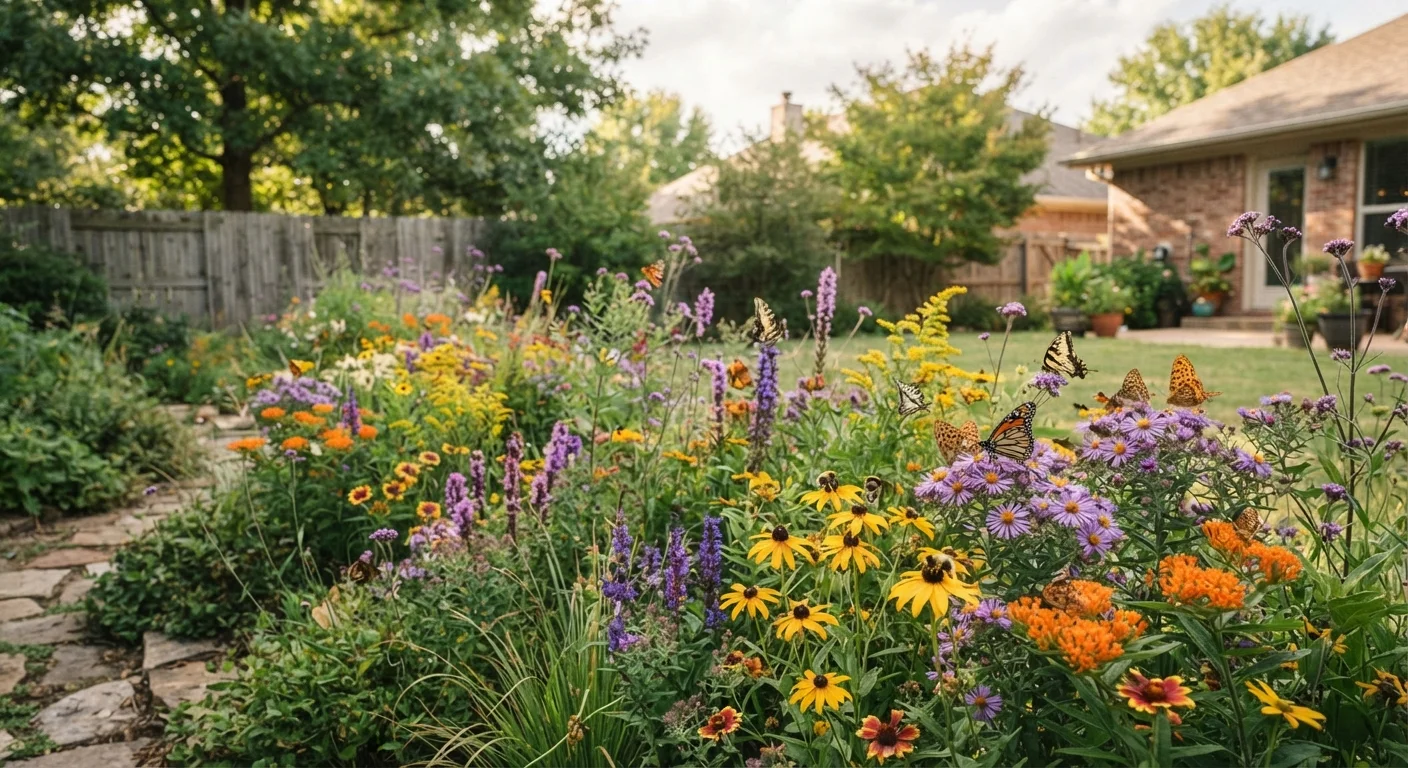
Photo: FaqsDrive.com | Smart Way To Search editorial
—— In This Article
Key Takeaways
- Native plants are adapted to local soils and climate, reducing the need for supplemental watering and fertilizer.
- They provide critical food and habitat for native pollinators, birds, and beneficial insects.
- Finding specific native species at nurseries can be challenging, especially in some regions.
- A native garden may look informal or 'wild,' which doesn't suit every neighborhood aesthetic or HOA rule.
- Once established, native plantings generally require significantly less ongoing maintenance than conventional garden beds.
Requires less supplemental watering once established
Because native plants are adapted to local rainfall cycles, they generally need little to no irrigation after their first growing season. This makes them especially practical in regions prone to summer drought.
Supports pollinators and local wildlife
Native plants have co-evolved with local bees, butterflies, birds, and other fauna. Many insects can only complete their life cycles using specific native host plants, making these gardens genuinely functional ecosystems.
Thrives in local soil without heavy amendment
Adapted to regional soil chemistry, native plants usually don't require the fertilizers or soil conditioners that many exotic varieties demand, reducing both cost and chemical runoff.
Lower long-term maintenance demands
Once established, native plantings tend to be self-sustaining — requiring less pruning, deadheading, and pest control than conventional ornamental gardens.
Reduces chemical use in the garden
Because native plants are naturally resistant to local pests and diseases, many gardeners find they can eliminate or dramatically reduce pesticide use, benefiting soil health and nearby water sources.
Can be difficult to source from nurseries
True native plants — particularly those local to a specific ecoregion — aren't always stocked at mainstream garden centers. Finding quality native specimens may require seeking out specialty nurseries or plant sales, which takes extra research.
Establishment period requires patience and care
Despite their eventual drought tolerance, native plants need consistent watering during their first one to two growing seasons while root systems develop. Gardeners expecting immediate low-maintenance results may be disappointed early on.
Informal appearance may conflict with HOA rules
Many native plantings — especially meadow-style designs with grasses and wildflowers — look naturalistic rather than manicured, which can create friction with homeowners' associations or neighborhood norms that favor tidy, traditional landscaping.
Regional specificity requires additional research
What counts as 'native' varies significantly by ecoregion, and plants marketed broadly as 'native wildflowers' may not be native to your specific area. Accurate selection requires consulting local resources rather than relying on general plant lists.
What 'Native' Actually Means
A native plant is one that evolved naturally in a specific region over thousands of years — without being introduced by humans. Native status is tied to geography: a plant native to the tallgrass prairies of Illinois isn't necessarily native to the Pacific Northwest, even if it grows there successfully. This regional specificity is what makes native plants so effective in home gardens. They've adapted to local rainfall patterns, soil chemistry, seasonal temperature swings, and the insects and animals that share the same habitat.
If you're just starting out, the basics of setting up your first garden are worth reviewing before deciding which plants to grow. Understanding your site — its light, drainage, and soil type — will also help you match native species accurately. You can learn more about how soil affects plant performance in our soil guide for home gardeners.
The Real Advantages of Growing Native Plants
The benefits of native plants go well beyond the marketing language often used to describe them. Here's what the evidence consistently supports:
Requires less supplemental watering once established
Because native plants are adapted to local rainfall cycles, they generally need little to no irrigation after their first growing season. This makes them especially practical in regions prone to summer drought.
Supports pollinators and local wildlife
Native plants have co-evolved with local bees, butterflies, birds, and other fauna. Many insects can only complete their life cycles using specific native host plants, making these gardens genuinely functional ecosystems.
Thrives in local soil without heavy amendment
Adapted to regional soil chemistry, native plants usually don't require the fertilizers or soil conditioners that many exotic varieties demand, reducing both cost and chemical runoff.
Lower long-term maintenance demands
Once established, native plantings tend to be self-sustaining — requiring less pruning, deadheading, and pest control than conventional ornamental gardens.
Reduces chemical use in the garden
Because native plants are naturally resistant to local pests and diseases, many gardeners find they can eliminate or dramatically reduce pesticide use, benefiting soil health and nearby water sources.
~30%
Of bee species are considered at risk in the U.S.
According to the Xerces Society for Invertebrate Conservation, native plantings in home gardens can meaningfully support declining native bee populations.
70%
Less water needed vs. conventional landscapes
The U.S. Environmental Protection Agency notes that landscapes designed with native and climate-adapted plants can use significantly less water than traditional turf-heavy yards.
These advantages compound over time. A native garden that looks sparse in its first season typically establishes strong root systems that carry it through drought and harsh winters with minimal intervention. For a broader view of year-round plant care, see our year-round garden maintenance overview.
The Honest Disadvantages Worth Knowing
Fairness requires acknowledging where native gardens fall short — particularly for new gardeners with specific expectations.
Can be difficult to source from nurseries
True native plants — particularly those local to a specific ecoregion — aren't always stocked at mainstream garden centers. Finding quality native specimens may require seeking out specialty nurseries or plant sales, which takes extra research.
Establishment period requires patience and care
Despite their eventual drought tolerance, native plants need consistent watering during their first one to two growing seasons while root systems develop. Gardeners expecting immediate low-maintenance results may be disappointed early on.
Informal appearance may conflict with HOA rules
Many native plantings — especially meadow-style designs with grasses and wildflowers — look naturalistic rather than manicured, which can create friction with homeowners' associations or neighborhood norms that favor tidy, traditional landscaping.
Regional specificity requires additional research
What counts as 'native' varies significantly by ecoregion, and plants marketed broadly as 'native wildflowers' may not be native to your specific area. Accurate selection requires consulting local resources rather than relying on general plant lists.
Not All 'Native' Labels Are Equal
Plants marketed as 'native' at large retailers aren't always sourced from local genotypes, and some may be cultivated varieties (called 'nativars') bred for specific flower colors or compact habits. While nativars can offer some benefits, research suggests they may be less effective for wildlife than straight native species. When possible, seek plants from local native plant societies or regional nurseries that can verify provenance.
It's also worth noting that native gardens don't exist in a vacuum. If you're pairing native species with other plantings, understanding which plants work well together matters. Our article on companion planting science and folklore explores what evidence says about combining species effectively.
Getting Started Without Feeling Overwhelmed
You don't need to convert your entire yard at once. Many gardeners begin by replacing a single conventional bed with native groundcovers or wildflowers, then expand gradually as they learn which species thrive in their specific conditions. Local native plant societies, cooperative extension offices, and botanical gardens are reliable sources of region-specific guidance — and often host plant sales with well-sourced stock.
Whether you're gardening in-ground or considering raised beds, the plant choices you make will shape how much work your garden demands. Our comparison of raised beds vs. in-ground planting can help you decide which setup best suits a native planting approach. Starting small, choosing species proven in your region, and resisting the urge to over-manage are the three principles that carry most new native gardeners through the establishment phase successfully.

Home & Garden Editorial Team
Home & Garden Editorial Team is the collective byline for our editorial team and contributor network. Articles published under this byline or an editorial pen name are researched, written, and reviewed according to our editorial standards for clarity, consistency, and independence before publication.
View author profile