
Spring Garden Prep: What to Do Before You Put Anything in the Ground
A step-by-step checklist covering soil testing, bed clearing, tool inspection, and timing — so your garden season starts on solid footing.
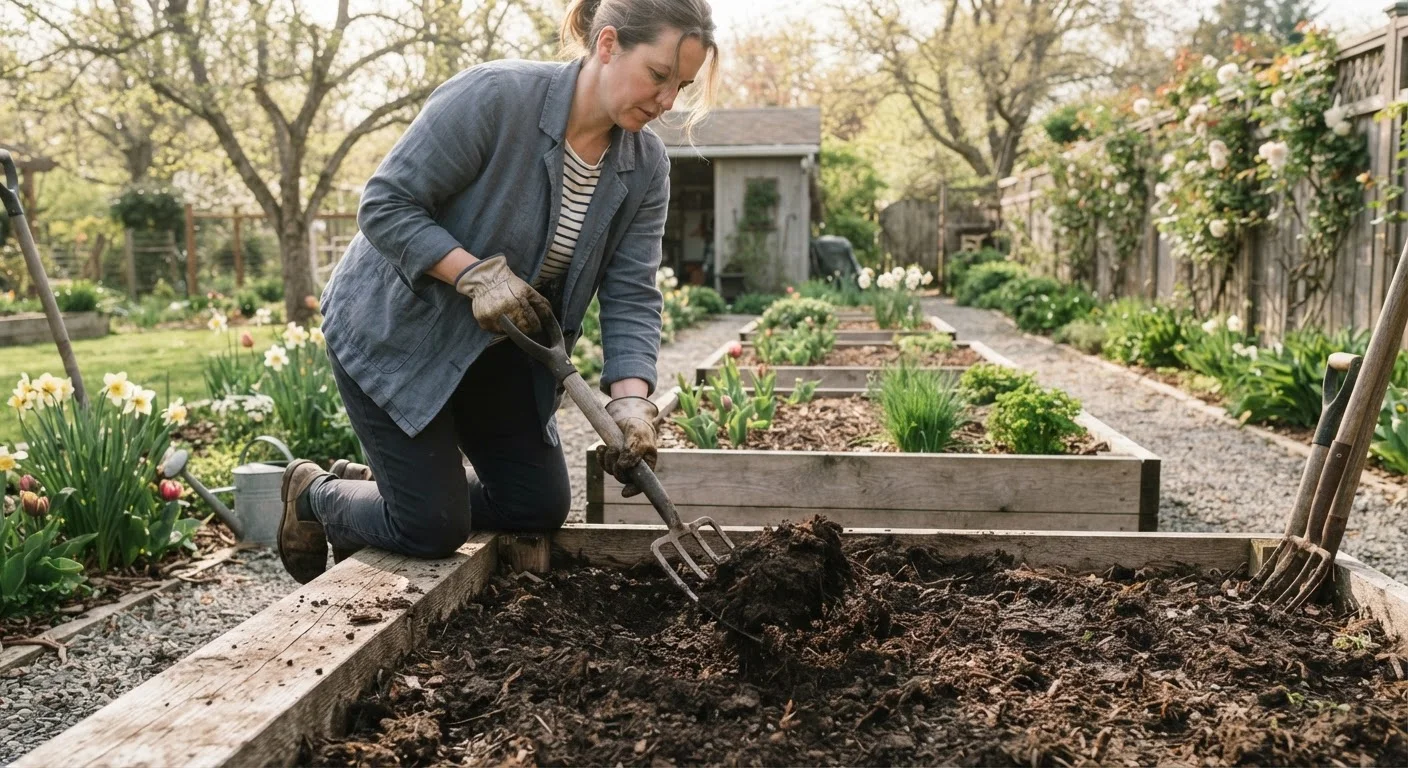
Photo: FaqsDrive.com | Smart Way To Search editorial
—— In This Article
Key Takeaways
- Testing your soil before planting reveals nutrient gaps that are far cheaper to fix early than mid-season.
- Clearing and inspecting beds in early spring prevents pest and disease problems from carrying over.
- Knowing your last frost date is the single most important timing factor for new gardeners.
- Clean, sharp tools make planting easier and reduce the spread of soil-borne disease.
- Adding organic matter to soil is the most impactful thing you can do before the first seed goes in.
Why Preparation Matters More Than Planting
Most garden problems — stunted growth, yellowing leaves, plants that just never take off — trace back to conditions that existed before a single seed went in the ground. Spring prep isn't busywork; it's the foundation that determines whether your summer garden thrives or limps along.
This checklist walks you through every step a beginner should take before planting. You'll address soil health, clear out last season's debris, get your tools ready, and nail down the timing that so many first-time gardeners skip. Whether you're starting fresh or picking up from last year, running through this list gives you a genuine head start.
Not sure yet whether raised beds or an in-ground plot is right for your space? Explore the tradeoffs between raised beds and in-ground planting before you start digging — your choice will affect several of the prep steps below.
Soil test kit or Cooperative Extension service
Measures soil pH and key nutrient levels so you know exactly what amendments your beds need.
Garden fork or spade
Turns and loosens compacted soil and works compost into the root zone.
Hand trowel
Handles precise digging for transplants and small-scale amendments.
Whetstone or metal file
Sharpens tool blades so they cut cleanly and reduce plant-tissue damage.
Compost or aged manure
Primary organic amendment for improving soil structure, drainage, and nutrient content.
Garden hose with adjustable nozzle
Provides controlled watering for newly amended beds and transplants.
Measuring tape or garden twine
Helps lay out spacing for rows and raised bed sections accurately.
How to Use This Checklist
Work through the groups in order — site assessment and timing first, then soil, then bed cleanup, tools, and finally planning. Some tasks (like waiting on a soil test result) may take a few days, so start this process two to three weeks before you intend to plant rather than the day before.
Soil Testing Is Not Optional for Beginners
Guessing at soil needs is the most common reason first-year gardens underperform. A basic soil test costs very little and tells you exactly what amendments to apply — and, just as importantly, what not to add. Over-applying fertilizer based on guesswork can damage roots and pollute groundwater. Test first, then amend.
Mark items complete as you go, and don't skip the soil amendment step even if your beds look fine on the surface. Soil structure and pH shift over winter and after heavy rain, so what worked last fall may not reflect current conditions.
Once you've finished your prep, you'll face another key decision: seeds or transplants? See how to choose between seeds and transplants based on your timeline, budget, and growing goals.
Know Your Site and Timing
Soil Testing and Amendment
Bed Clearing and Cleanup
Tool Inspection and Preparation
Planning and Supply Gathering
Building Soil Health for the Long Term
The single most impactful thing you can do for your garden — not just this spring, but every spring — is add organic matter. Compost improves sandy soil by helping it hold moisture, and it loosens clay soil so roots can penetrate and water can drain. You don't need a perfect ratio or a complicated system to get started.
If you don't have homemade compost yet, bagged compost or aged manure from a garden center works well. And if you want to build a longer-term soil strategy, learn how to set up a home composting system — turning kitchen scraps and yard waste into a free, renewable soil amendment.
Don't Work Soil That's Too Wet
Digging or tilling wet soil compacts it and destroys its structure — an effect that can persist for an entire season. To check readiness, squeeze a handful: if it crumbles easily, you're good to go; if it stays in a muddy ball, wait a few more days. Patience here genuinely pays off.
Frost Dates Vary — Always Verify Locally
Published frost date averages are just that — averages. Microclimates in your yard (low spots, pavement proximity, slope) can shift your real frost risk by a week or more. Check with your local Cooperative Extension office or a reliable local weather service for the most accurate guidance for your specific area.
Good soil structure is cumulative. Each year you add organic matter and minimize compaction, the following season gets a little easier. Think of spring prep as an investment with a compounding return — not just a chore to rush through before planting day.
New to gardening terminology? Browse a beginner-friendly gardening glossary covering the terms you'll encounter throughout your first season, from tilth and hardiness zones to mulch and soil amendment.

Home & Garden Editorial Team
Home & Garden Editorial Team is the collective byline for our editorial team and contributor network. Articles published under this byline or an editorial pen name are researched, written, and reviewed according to our editorial standards for clarity, consistency, and independence before publication.
View author profile