
Indoor vs. Outdoor Cats: What Changes About Their Care
From diet and vaccinations to enrichment and health risks, here's how a cat's lifestyle shapes its daily care needs.
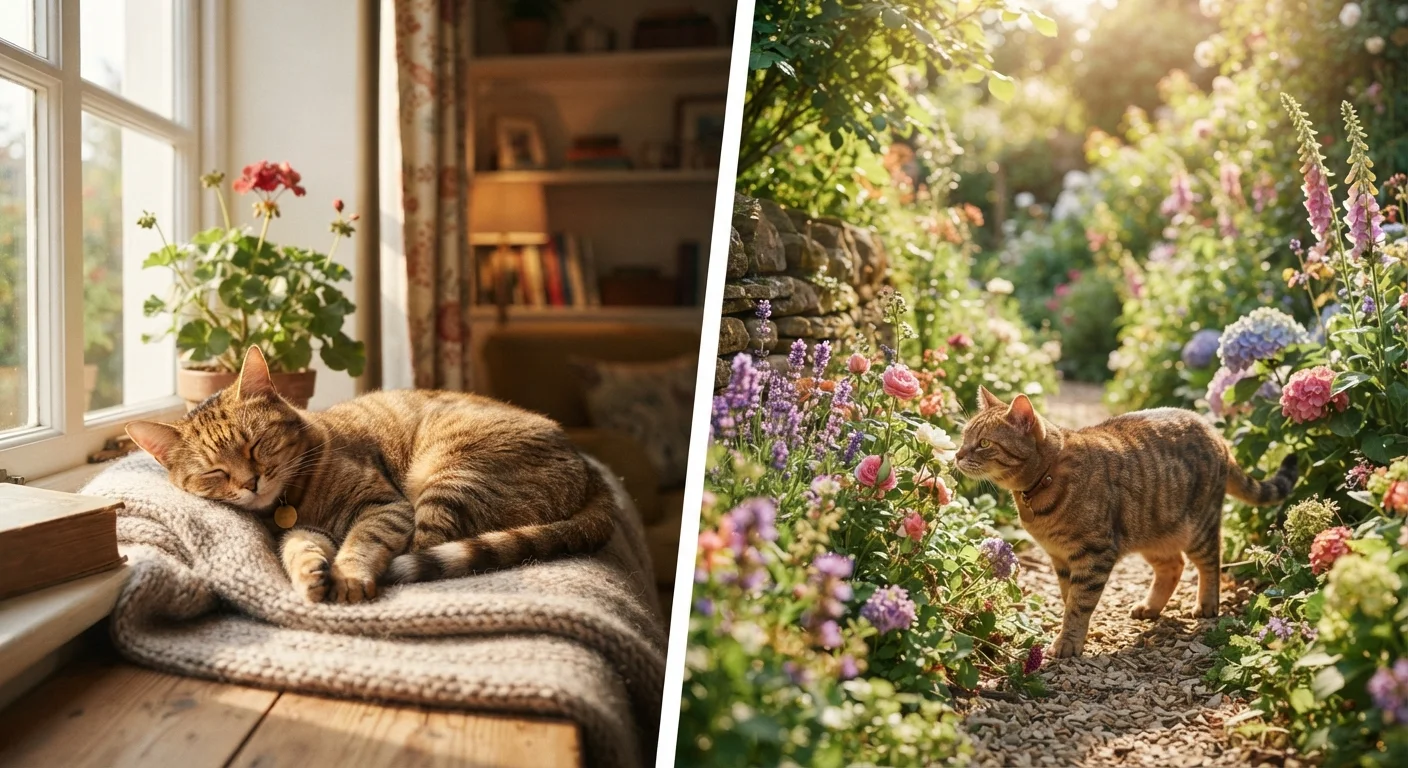
Photo: FaqsDrive.com | Smart Way To Search editorial
—— In This Article
Key Takeaways
- Indoor cats typically live longer but need deliberate enrichment to prevent boredom-related behavior problems.
- Outdoor cats face higher risks from infectious disease, parasites, traffic, and predators, requiring more intensive preventive care.
- Vaccination protocols and parasite prevention schedules differ meaningfully between indoor and outdoor lifestyles.
- Diet and weight management strategies should be adjusted based on a cat's daily activity level.
- No lifestyle is universally right — the best choice depends on your home, location, and ability to meet each set of needs.
How Lifestyle Shapes a Cat's Risk Profile
Where a cat spends its time is one of the strongest predictors of what health challenges it will face. Indoor cats are shielded from many acute dangers — cars, predators, contagious disease spread through contact with unknown animals — but that protection comes with its own trade-off: a more sedentary, less stimulating environment that can lead to obesity, anxiety, and boredom-driven behavior problems if not actively managed.
Outdoor cats, by contrast, get natural exercise and mental engagement, but they're regularly exposed to parasites like fleas, ticks, and intestinal worms; infectious diseases such as feline leukemia virus (FeLV) and feline immunodeficiency virus (FIV); and physical hazards including trauma from vehicles or fights with other animals. These aren't remote risks — they're routine realities that shape what your vet will recommend at every checkup. See what vets screen for at annual visits to understand how lifestyle factors into the exam.
| Criterion | Indoor Cats | Outdoor Cats |
|---|---|---|
| Average lifespan | 12–18 years (estimated) | 5–7 years (estimated) |
| Parasite exposure risk | Low to moderate | High; year-round prevention needed |
| Infectious disease risk | Low | Higher (FeLV, FIV, URI) |
| Obesity risk | Higher without enrichment | Lower due to natural activity |
| Enrichment requirement | High; must be provided by owner | Moderate; environment provides some |
| Vaccination protocol | Core vaccines only (typically) | Core plus additional (e.g., FeLV) |
| Physical injury risk | Low | Higher (traffic, predators, fights) |
Vaccinations and Preventive Care: Where the Protocols Diverge
Core vaccines — rabies and FVRCP (feline viral rhinotracheitis, calicivirus, and panleukopenia) — are recommended for all cats regardless of lifestyle. But the protocols branch from there. Outdoor cats and those with outdoor access are generally considered candidates for additional vaccines, including FeLV, based on their real-world exposure risk. Your veterinarian will assess your cat's specific situation and geography to guide these decisions.
Parasite prevention is another significant fork. Indoor-only cats may still need flea prevention depending on your home environment (fleas can enter on clothing or other pets), but outdoor cats almost universally require year-round, broad-spectrum parasite control covering fleas, ticks, heartworm, and intestinal parasites. Skipping this for outdoor cats isn't a cost-saving measure — it's a meaningful health gap.
12–18 yrs
Typical indoor cat lifespan
Veterinary organizations generally cite indoor cats living significantly longer than outdoor cats due to reduced exposure to hazards and disease.
5–7 yrs
Estimated outdoor cat lifespan
Free-roaming outdoor cats face substantially higher mortality risks from trauma, disease, and predation, according to animal welfare researchers.
~60%
U.S. pet cats kept primarily indoors
Surveys by the American Pet Products Association suggest the majority of owned cats in the U.S. are kept primarily or exclusively indoors.
Outdoor cats should also be spayed or neutered, both to reduce roaming behavior and to lower the risk of reproductive cancers and infection. Learn what spaying and neutering actually changes about behavior and long-term health.
Diet, Weight, and Activity: Calibrating for the Lifestyle
Caloric needs differ by activity level, and that's directly tied to lifestyle. Outdoor cats that roam and hunt naturally burn more energy; indoor cats in low-stimulation environments are prone to weight gain, particularly after age two when metabolism typically slows. Overweight cats face elevated risks for diabetes, joint disease, and urinary problems — so portion control and food choice matter.
For indoor cats, the wet vs. dry food debate is especially relevant since wet food's higher moisture content supports hydration in cats that don't drink much water on their own — a common concern when a cat isn't as active. Nutritional needs also shift across life stages, so what works for a young outdoor cat may not be appropriate for an older indoor one.
Enrichment and Mental Health: The Indoor Cat's Biggest Unmet Need
This is where indoor cat care most often falls short. Cats are natural hunters — they're wired for stalking, pouncing, and problem-solving. When that drive has no outlet, it shows up as destructive scratching, aggression, overgrooming, or excessive vocalization. These aren't personality flaws; they're symptoms of an understimulating environment.
Effective indoor enrichment includes rotating interactive toys, puzzle feeders, vertical climbing spaces, and scheduled daily play sessions that mimic prey movement. Window perches with bird feeders outside can provide hours of passive stimulation. Explore enrichment strategies matched to how cats actually think for a practical starting framework. Understanding your cat's body language also helps you catch stress signals early before they escalate.
Transitioning an Outdoor Cat Indoors
Cats accustomed to outdoor access can struggle with the sudden loss of stimulation and territory. Gradual transitions — starting with supervised outdoor time replaced by structured indoor play — tend to be more successful than abrupt changes. Consult your veterinarian if the transition triggers persistent anxiety or behavior changes.
Outdoor cats self-enrich through their environment — but that doesn't mean enrichment concerns disappear. Cats that transition from outdoor to indoor living, for health or safety reasons, need a deliberate adjustment plan to prevent behavioral regression.

Pets & Animals Editorial Team
Pets & Animals Editorial Team is the collective byline for our editorial team and contributor network. Articles published under this byline or an editorial pen name are researched, written, and reviewed according to our editorial standards for clarity, consistency, and independence before publication.
View author profile