
Annual Vet Visits for Cats: What Gets Checked and Why It Matters
Many cat owners skip routine checkups — here's what vets are screening for and why early detection makes a real difference.
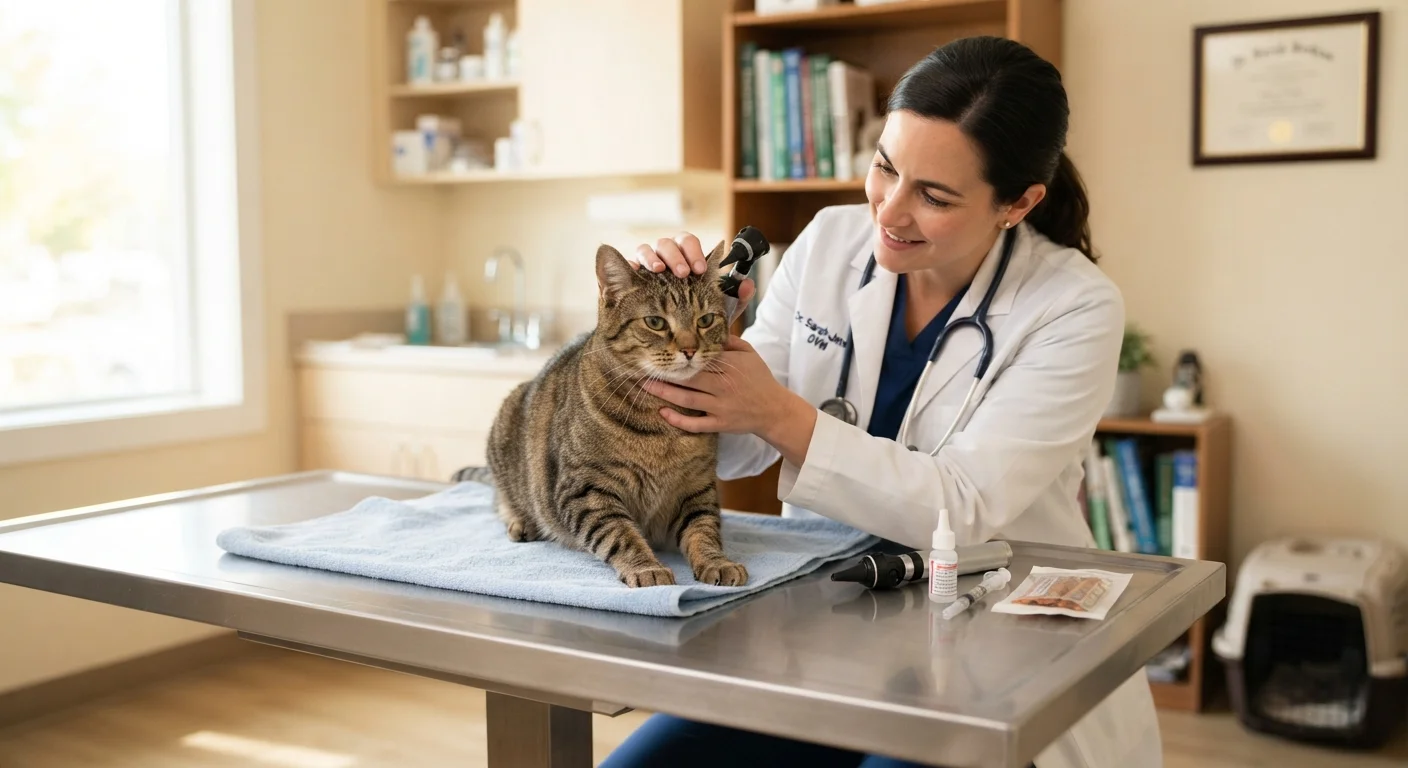
Photo: FaqsDrive.com | Smart Way To Search editorial
—— In This Article
Key Takeaways
- Cats mask pain and illness well, making routine exams the primary tool for early detection.
- A single wellness visit covers far more than vaccines — it includes a full physical, dental check, and parasite screening.
- Senior cats (10+) and kittens benefit from checkups every six months rather than annually.
- Bloodwork and urinalysis can reveal kidney disease, diabetes, or thyroid issues before symptoms appear.
- Bringing a written list of behavior changes helps your vet get a clearer picture of your cat's health.
Why Cats Need Routine Checkups Even When They Seem Fine
Cats are remarkably skilled at appearing healthy even when something is wrong. This survival instinct — inherited from wild ancestors who couldn't show weakness — means early symptoms of serious illness often go unnoticed at home. By the time a cat starts acting sick, a condition may already be well advanced.
Annual wellness exams exist to bridge that gap. A veterinarian can detect subtle signs — slight weight loss, early dental disease, a heart murmur, a palpable lump — that owners aren't trained or positioned to spot. This is especially true for indoor cats, who many owners assume are low-risk. As explained in our guide on indoor vs. outdoor cat care, lifestyle affects health risk in specific ways, but all cats share the same susceptibility to internal disease.
Acclimate Your Cat to the Carrier Early
Leave your cat's carrier open in a familiar room at least a week before the vet visit. Place a soft blanket or an item with your scent inside to make it feel safe. Cats that associate the carrier with everyday life rather than stressful outings are calmer during transport and easier for vets to examine.
What Vets Actually Examine During the Visit
A wellness exam is a structured head-to-tail assessment. Here's what gets checked and why each part matters:
- Weight and body condition: Even a half-pound change in a small cat can signal something worth investigating. Obesity increases the risk of diabetes and joint problems; unexplained weight loss can point to hyperthyroidism, kidney disease, or cancer.
- Teeth and gums: Dental disease affects the majority of cats by age three. Left untreated, it can cause chronic pain and allow bacteria to enter the bloodstream. Many cats show no obvious signs of dental pain.
- Heart and lungs: A stethoscope check can detect murmurs or abnormal breathing patterns before symptoms appear.
- Abdomen: Gentle palpation helps vets feel for enlarged organs, irregular masses, or signs of constipation or bladder issues.
- Eyes, ears, and coat: These offer clues about allergies, infections, parasites, and systemic health.
- Lymph nodes: Swollen nodes can indicate infection or, in some cases, lymphoma — a common cancer in cats.
Pair this exam with the at-home grooming routine and you'll start to notice changes between visits more readily.
~70%
Cats with dental disease by age 3
According to the American Veterinary Dental College, the majority of cats show signs of dental disease by their third birthday, often without any visible symptoms.
1 in 3
Cats develop kidney disease in their lifetime
Feline chronic kidney disease is one of the most common conditions in older cats, with estimates suggesting roughly one-third of cats are affected at some point.
10%
Cats over 10 affected by hyperthyroidism
Hyperthyroidism is among the most frequently diagnosed hormonal conditions in senior cats, and routine bloodwork is the primary way it's detected early.
Bloodwork, Urinalysis, and Parasite Screening
Not every cat needs lab tests at every visit, but your vet may recommend them based on age, history, or exam findings. These diagnostics go deeper than a physical exam alone:
- Complete blood count (CBC): Evaluates red and white blood cells and platelets, flagging anemia, infection, or immune system concerns.
- Chemistry panel: Assesses kidney and liver function, blood glucose, electrolytes, and other markers. This is how early kidney disease — extremely common in older cats — is often first identified.
- Thyroid levels (T4): Hyperthyroidism is one of the most common conditions in cats over seven. A simple blood test catches it early, when treatment is most effective.
- Urinalysis: Reveals kidney health, urinary tract infections, diabetes indicators, and crystal formation that can lead to dangerous blockages.
- Fecal exam and parasite screen: Indoor cats can still carry intestinal parasites. A stool sample screens for worms and single-celled parasites like Giardia.
Nutrition also plays a direct role in many of these results. Our article on feeding cats at every life stage covers how dietary needs shift as cats age — information worth reviewing alongside your vet's findings.
Vaccines, Preventives, and What Changes as Your Cat Ages
Vaccine decisions at a wellness visit aren't automatic — your vet evaluates your cat's current immunity, lifestyle, and risk factors before recommending boosters. Core vaccines (rabies, FVRCP) follow established schedules, while non-core vaccines (such as feline leukemia virus) are offered based on exposure risk.
Preventive medications — flea and tick control, heartworm prevention — are also reviewed. Even indoor cats can be exposed to fleas brought in on clothing or other pets, so this conversation is relevant for most owners.
As cats enter their senior years (generally considered age ten and above), visit frequency typically increases to every six months. Age-related changes happen faster, and conditions like kidney disease, hyperthyroidism, hypertension, and arthritis benefit from close monitoring. If you're curious how spay or neuter status affects long-term health, our piece on spaying and neutering cats addresses that directly.
Making the Most of the Appointment
The exam itself typically takes 20 to 30 minutes, and preparation helps you use that time well. Before the visit, write down any changes you've noticed — shifts in appetite, water intake, litter box habits, sleep patterns, or behavior. These observations are genuinely useful diagnostic information that vets can't gather on their own.
Bring your cat's current medications, supplements, and any previous health records if you're seeing a new vet. If your cat has never had bloodwork, this is a good visit to establish a baseline — knowing what's normal for your individual cat makes future results more meaningful.
Don't hesitate to ask questions. Good questions to raise include: Is my cat's weight appropriate? Are there early signs of dental disease? Should we run any lab work this year? Are there any lifestyle changes that would benefit my cat's health?
This article is for general informational purposes only and does not constitute veterinary medical advice. Always consult a licensed veterinarian for guidance specific to your cat's health and needs.
Frequently Asked Questions

Pets & Animals Editorial Team
Pets & Animals Editorial Team is the collective byline for our editorial team and contributor network. Articles published under this byline or an editorial pen name are researched, written, and reviewed according to our editorial standards for clarity, consistency, and independence before publication.
View author profile