
Spaying and Neutering Cats: What Owners Need to Understand
A clear look at the health and behavioral effects of spaying and neutering, including common timing questions vets get asked.
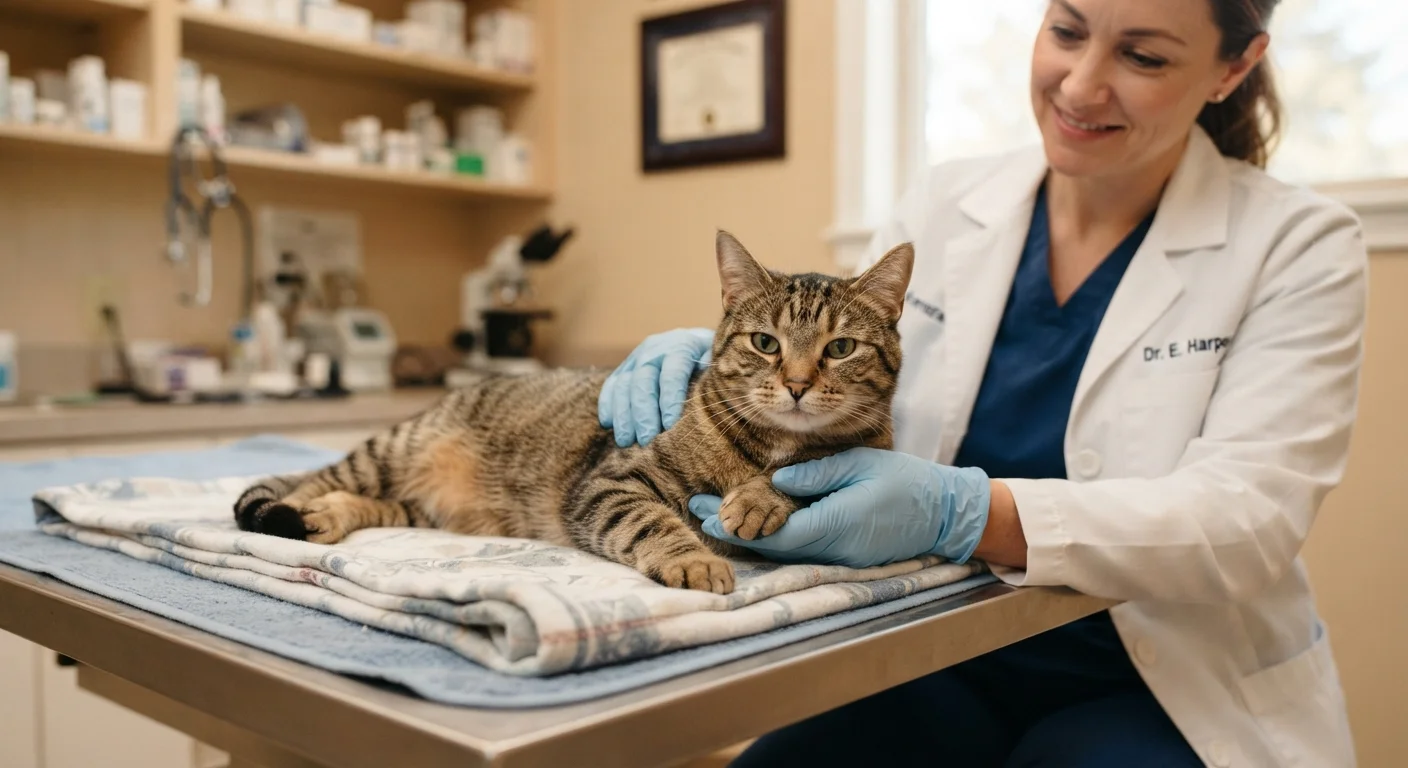
Photo: FaqsDrive.com | Smart Way To Search editorial
—— In This Article
Key Takeaways
- Spaying removes a female cat's reproductive organs; neutering removes a male's testicles — both are routine surgical procedures.
- Most veterinarians recommend the procedure between four and six months of age, though timing can vary.
- Both surgeries reduce the risk of certain cancers and eliminate risks tied to reproductive infections.
- Many unwanted behaviors — spraying, yowling, roaming — are reduced but not always eliminated after the procedure.
- Weight gain after surgery is manageable with appropriate feeding; it is not inevitable.
- Recovery typically takes about ten to fourteen days, and most cats return to normal activity quickly.
What Spaying and Neutering Actually Involve
Spaying (technically called an ovariohysterectomy) is the surgical removal of a female cat's ovaries and uterus. Neutering (or orchiectomy) removes a male cat's testicles. Both procedures are performed under general anesthesia by a licensed veterinarian and typically take less than an hour.
Spaying
A surgical procedure that removes a female cat's ovaries and uterus, permanently preventing pregnancy and eliminating heat cycles.
Neutering
A surgical procedure that removes a male cat's testicles, preventing reproduction and reducing hormone-driven behaviors.
Heat cycle
The period during which a female cat is fertile and actively seeking a mate, marked by loud vocalizations and restless behavior. Also called estrus.
Pyometra
A potentially life-threatening infection of the uterus that can develop in intact (unspayed) female cats; spaying eliminates this risk.
General anesthesia
A medically induced state of unconsciousness used during surgery so the patient feels no pain; requires professional administration and monitoring.
These are not experimental procedures — they are among the most frequently performed surgeries in veterinary medicine. The goal is to permanently prevent reproduction by eliminating the primary source of sex hormones in the cat's body. Understanding what's actually happening helps owners make informed decisions rather than acting on myths.
When Should You Schedule the Procedure?
The traditional recommendation has been to spay or neuter cats at around six months of age. However, many veterinarians and animal shelters now support early spay/neuter — performing the procedure as young as eight weeks in shelter environments — citing safety and the importance of preventing unplanned litters before adoption.
For household kittens, most vets still recommend the four-to-six-month window. One key reason: female cats can have their first heat cycle as early as four months old, and a cat in heat can become pregnant. Scheduling surgery before this window closes prevents an unplanned litter and some of the stress that comes with a cat in heat.
Book the Surgery Before the First Heat
A female kitten can become pregnant during her very first heat cycle, which can occur as early as four months old. Scheduling the spay appointment before that window keeps things simple and prevents an unplanned litter. Ask your vet at your kitten's first wellness visit when they recommend scheduling surgery.
If you have questions about your cat's overall health schedule — including vaccinations, weight checks, and parasite prevention — see our guide on annual vet visits for cats for a full picture of what routine care involves.
Health Benefits Backed by Veterinary Research
Beyond population control, there are meaningful health reasons to spay or neuter a cat:
- Female cats: Spaying before the first heat cycle significantly reduces the risk of mammary (breast) cancer. It also eliminates the possibility of pyometra — a serious, life-threatening uterine infection that commonly affects intact females.
- Male cats: Neutering eliminates the risk of testicular cancer and reduces the likelihood of prostate-related problems. It also makes male cats less likely to roam, which reduces their exposure to injuries and infectious diseases.
Intact cats that are allowed outdoors face a broader set of health risks from fighting and disease exposure. If you're thinking through indoor-versus-outdoor decisions for your cat, our article on indoor vs. outdoor cat care covers how lifestyle affects health needs more broadly.
Timing and Cancer Risk in Female Cats
Research suggests the protective effect against mammary cancer is strongest when spaying is performed before a female cat's first heat cycle. The benefit decreases with each subsequent heat. While spaying at any age still eliminates pyometra risk and prevents pregnancy, early timing provides the most significant long-term health advantage for females.
Behavioral Changes to Expect
Sex hormones drive a number of feline behaviors that owners find disruptive. After spaying or neutering, many of these become less pronounced or disappear entirely:
- Urine spraying: Intact males spray to mark territory. Neutering significantly reduces this behavior, especially when done before it becomes established.
- Vocalization: Female cats in heat yowl loudly and frequently. Spaying stops heat cycles and the associated vocalizations.
- Roaming and aggression: Both behaviors are tied to the drive to find a mate. Neutered males tend to stay closer to home and pick fewer fights.
What does not change: your cat's core personality. Playfulness, affection, and curiosity are not hormone-dependent and remain intact. If you're planning to add a second cat to your home, note that a cat's spay/neuter status can affect multi-cat dynamics — our guide on bringing a second cat home covers what to expect.
Recovery: What a Normal Healing Period Looks Like
Most cats recover from spaying or neutering within ten to fourteen days. Male cats, whose procedure is less invasive, often return to normal activity within a few days. Here's what to expect:
- Day 1–2: Grogginess from anesthesia is normal. Keep your cat in a quiet, warm space and limit access to stairs or furniture they could fall from.
- Days 3–7: Energy returns. Restrict vigorous play and jumping to protect the incision site. Use an e-collar (cone) if your cat is licking or chewing the wound.
- Days 7–14: The incision should be visibly healing. Watch for redness, swelling, discharge, or unusual odor — these warrant a call to your vet.
Watch the Incision Site Closely
Licking or chewing at the surgical site can introduce bacteria and delay healing. If your cat is persistently bothering the incision, use the e-collar your vet provided and do not remove it early. Contact your veterinarian promptly if you notice swelling, discharge, a foul smell, or the incision appears to be opening.
One common post-surgery concern is weight management. Because sex hormones influence metabolism, cats may require slightly fewer calories after the procedure. This is manageable — the feeding your cat at every life stage guide explains how nutritional needs shift across a cat's life and can help you calibrate portions appropriately.
This article is for general informational purposes only and is not a substitute for professional veterinary advice. Always consult your veterinarian for guidance specific to your cat's health and circumstances.
Frequently Asked Questions

Pets & Animals Editorial Team
Pets & Animals Editorial Team is the collective byline for our editorial team and contributor network. Articles published under this byline or an editorial pen name are researched, written, and reviewed according to our editorial standards for clarity, consistency, and independence before publication.
View author profile