
Cat Body Language Decoded: A Field Guide for Owners
Tail positions, ear angles, slow blinks — learn to read what your cat is communicating before it escalates to a scratch.
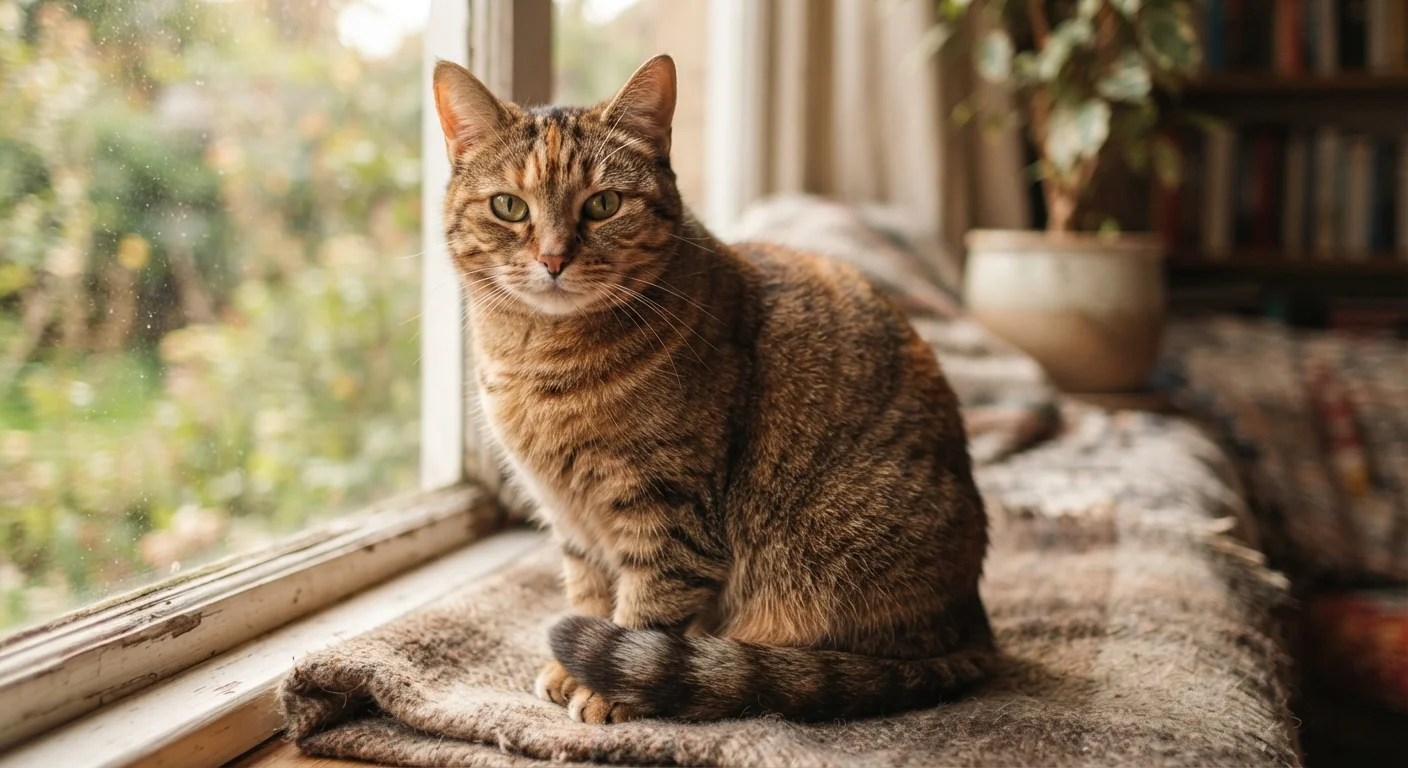
Photo: FaqsDrive.com | Smart Way To Search editorial
—— In This Article
Why Reading Cat Body Language Matters
Cats communicate constantly — through posture, ear position, tail movement, and even the speed of their blink. The challenge is that many of these signals are subtle enough to miss until it's too late and your arm bears a scratch. Understanding feline body language isn't just a curiosity; it's a practical skill that helps you respond to your cat's needs before stress or discomfort escalates.
Unlike dogs, who evolved to look to humans for social cues, cats have a more independent communication style rooted in solitary predator instincts. That doesn't mean they're indifferent — it means their signals are often quieter and more nuanced. Once you know what to look for, the conversation opens up significantly. For comparison, see how dog body language differs to appreciate just how species-specific these cues can be.
| Primary communication method | Posture, tail position, ear angle, and facial expression |
| Sign of friendly greeting | Tail held straight up, tip slightly curled |
| Trust signal | Slow blink directed at you |
| Warning before aggression | Ears flattened, pupils dilated, tail lashing |
| Belly exposure means | Trust — not always an invitation to touch |
| Overstimulation early warning | Tail begins to swish side to side during petting |
The Tail: Your Cat's Mood Antenna
The tail is one of the most readable parts of a cat's body. Here's how to interpret the most common positions:
- Tail held high, tip curled: A confident, friendly greeting. When your cat approaches you with its tail straight up like a flagpole, that's a social invitation.
- Tail puffed (piloerection): The cat is frightened or highly agitated. The puffing is an involuntary response that makes the cat appear larger to a threat.
- Tail lashing side to side: Not happiness — this signals irritation or overstimulation. If you're petting and the tail starts whipping, it's time to stop.
- Tail tucked low or wrapped around the body: Submission, anxiety, or discomfort. A chronically tucked tail warrants closer attention to the cat's environment.
- Slow, gentle sway: Focused concentration, often seen during hunting or play — neutral and engaged.
Tail signals rarely appear in isolation. Always pair what you see in the tail with ear and eye cues for the full picture.
Ears, Eyes, and Whiskers: The Fine Details
A cat's face carries enormous communicative detail. Breaking it down by feature makes it easier to read.
Ears
- Forward and upright: Alert, curious, or engaged. A happy or interested cat holds its ears like small satellite dishes facing forward.
- Rotated to the side ("airplane ears"): Anxiety or mild irritation — an early warning sign worth respecting.
- Flattened against the skull: Fear or aggression. At this stage the cat is in defensive mode and may act out if pushed.
Eyes
- Slow blink: A deliberate slow blink directed at you is widely considered a sign of trust and relaxed affection. You can try returning it — many cats respond positively.
- Dilated pupils: Excitement, fear, or low-light conditions. Context matters — a cat with wide pupils during play is different from one with wide pupils crouched in a corner.
- Half-closed eyes: Comfort and contentment. A deeply relaxed cat barely bothers to keep its eyes fully open.
- Hard stare: A direct, unblinking stare is a challenge or threat in cat communication. Avoid staring contests with unfamiliar cats.
Whiskers
- Forward-fanned: Curious or hunting-focused.
- Pulled tight against the face: Fear or stress.
Piloerection
The involuntary raising of fur along the spine and tail, making the cat appear larger. It's triggered by fear or intense agitation and is not within the cat's conscious control.
Bunting
When a cat presses its forehead or cheeks against a person or object to deposit scent. It's an affiliative behavior that signals the cat considers you part of its social group.
Slow blink
A deliberate, unhurried closing and opening of the eyes directed at another individual. In cats, this is widely interpreted as a signal of trust, comfort, and non-threat.
Affiliative behavior
Social actions that promote bonding and positive relationships, such as allogrooming (mutual grooming), bunting, or resting in physical contact with another cat or person.
Overstimulation
A state in which a cat becomes overwhelmed by physical contact or sensory input, often during petting. Signs include tail lashing, skin twitching, and sudden biting or scratching.
Full-Body Postures and What They Signal
Individual features give clues, but whole-body posture tells the complete story.
- Exposing the belly: This is often misread as an invitation to rub. In most cats, a belly-up posture signals trust, not a request for touch. Many cats will swat if you take the bait.
- The slow-motion approach with head bump (bunting): A deeply affiliative behavior. Your cat is scent-marking you as part of its social group.
- Crouching low, weight shifted back: Defensive fear. The cat wants to flee but may feel cornered.
- Arched back, sideways stance: Classic defensive aggression — the cat is trying to look large and threatening.
- Loafing (paws tucked under body): Relaxed but alert. A comfortable cat that feels safe in its environment.
Behavior is also influenced by whether a cat spends time outdoors. The lifestyle differences between indoor and outdoor cats can shape how anxious or confident a cat feels in new situations.
If you notice sudden or dramatic changes in your cat's posture, behavior, or daily habits, it may point to more than mood. Cats often hide pain well, and behavioral shifts can be one of the earliest signs that something is physically wrong. A veterinarian is the right resource for any concerns about your cat's health.
Understanding body language also helps during grooming. A cat showing relaxed posture with soft eyes is far more receptive to handling than one with flattened ears. See how to build a grooming routine your cat tolerates for practical guidance on timing sessions with your cat's mood.
Finally, body language isn't limited to what the body does — it extends to what cats interact with. If your cat is knocking things off shelves, that behavior carries its own communicative meaning. Learn what's behind the shelf-clearing habit and how to respond constructively.

Pets & Animals Editorial Team
Pets & Animals Editorial Team is the collective byline for our editorial team and contributor network. Articles published under this byline or an editorial pen name are researched, written, and reviewed according to our editorial standards for clarity, consistency, and independence before publication.
View author profile