
The American Southwest Explained: What Makes This Region Unlike Anywhere Else in the US
From canyon country to desert cities, here's what defines the American Southwest and what travelers can expect from its landscapes and culture.
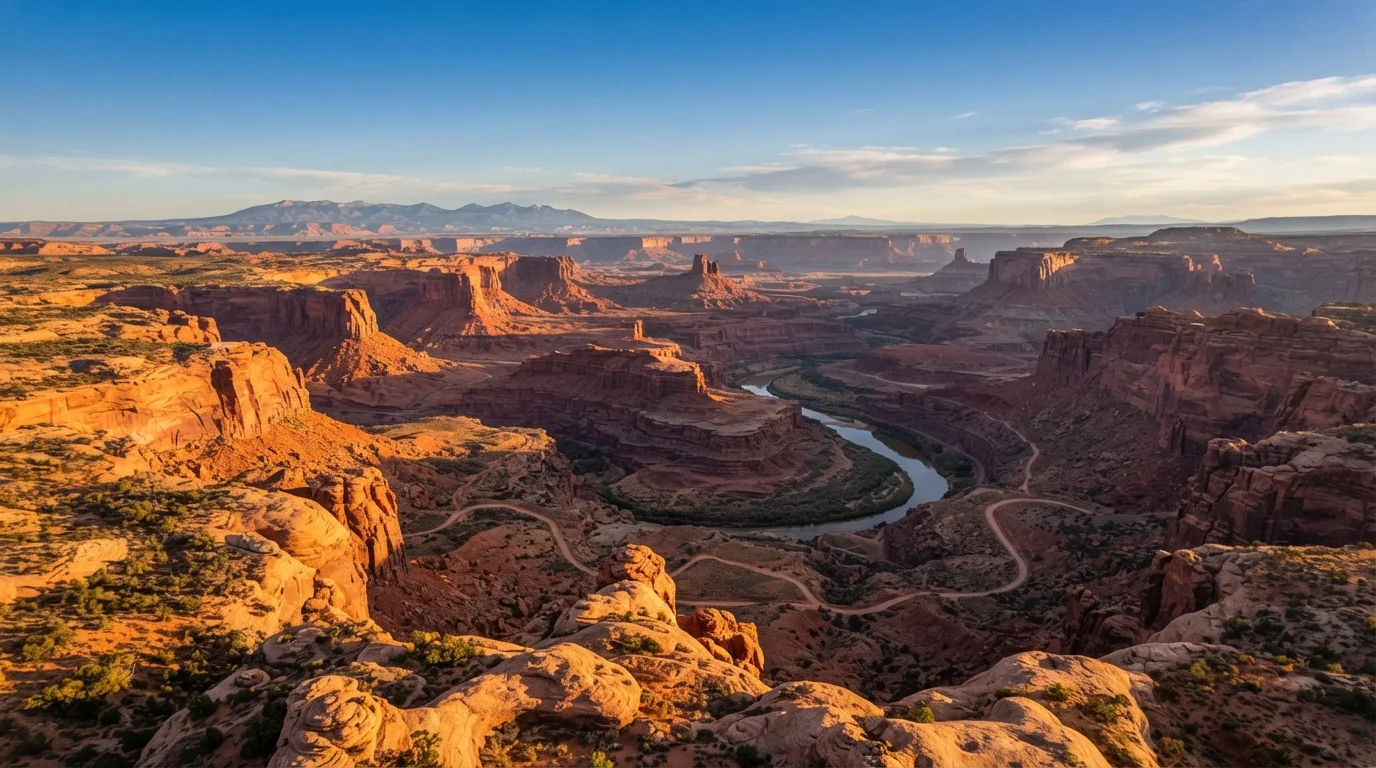
Photo: FaqsDrive.com | Smart Way To Search editorial
—— In This Article
Key Takeaways
- The Southwest spans five core states and blends desert, canyon, and high-altitude landscapes in a single region.
- Indigenous cultures, Spanish colonial history, and Mexican heritage give the Southwest a cultural depth found nowhere else in the US.
- The region hosts some of America's most visited national parks, including the Grand Canyon, Zion, and Arches.
- Desert heat and monsoon seasons mean timing your visit matters enormously for comfort and safety.
- Cities like Phoenix, Albuquerque, and Las Vegas each offer distinct urban experiences alongside the natural scenery.
What Actually Defines the Southwest as a Region
The American Southwest resists a single, tidy definition — and that's part of its appeal. At its heart, this is a region shaped by geology. The Colorado Plateau, a massive elevated tableland covering parts of Utah, Arizona, Colorado, and New Mexico, has been carved by millions of years of erosion into the canyon systems and red-rock formations that make the Southwest instantly recognizable worldwide. Beneath those dramatic cliffs lies some of the oldest exposed rock on Earth.
Climate adds another layer. Unlike any other US region, the Southwest is largely classified as arid or semi-arid, meaning rainfall is scarce and temperatures swing dramatically between seasons — and even between day and night in the same desert. The Sonoran Desert (covering much of southern Arizona) and the Mojave Desert (concentrated in Nevada and California) each have their own distinct ecosystems, from towering saguaro cacti to Joshua trees.
For travelers trying to make sense of US geography, understanding how climate zones shape regional travel is an excellent starting point before diving into Southwest trip planning.
6M+
Annual Grand Canyon visitors
The National Park Service consistently records over six million visitors per year at Grand Canyon National Park, making it one of the most-visited parks in the system.
17M acres
Size of the Navajo Nation
The Navajo Nation spans roughly 17.5 million acres across Arizona, Utah, and New Mexico, making it the largest Native American nation by land area in the United States.
2,000+
Natural arches in Arches National Park
According to the National Park Service, Arches National Park in Utah contains more than 2,000 documented natural sandstone arches — the greatest concentration on Earth.
The Cultural Layers That Set This Region Apart
The Southwest's human story is as layered as its geology. Long before European contact, Indigenous civilizations — including the ancestral Puebloans — built sophisticated communities across the canyon country. Their descendants, including Navajo, Hopi, Zuni, and dozens of other nations, maintain living cultures and sovereign lands throughout the region today. The Navajo Nation alone covers more than 17 million acres across Arizona, Utah, and New Mexico, making it the largest Native American territory in the US.
Spanish colonization beginning in the 1500s left an equally permanent mark. Santa Fe, New Mexico — founded in 1610 — is the oldest US state capital and one of the oldest continuously inhabited cities in the country. Spanish mission architecture, place names, and food traditions are woven into daily life from Tucson to Taos.
“The Southwest is not a single place — it is a palimpsest, each layer of human and geological history visible if you know where to look. No other American region carries this particular weight of deep time.”
— Tony Hillerman, Author and journalist known for novels set in the American Southwest
That Spanish colonial legacy evolved into something distinctly Southwestern as Mexican and border cultures blended in, creating the region's famous cuisine: green and red chile sauces, Sonoran-style hot dogs, Navajo fry bread, and the debate over which state has the superior burrito are all part of the cultural fabric here. This is one reason the Southwest feels unlike the American South or Midwest — see how those regions compare with our region-by-region guide to the American South.
Landscapes and National Parks: The Traveler's Highlight Reel
If any single factor draws travelers to the Southwest, it's the extraordinary concentration of protected landscapes. Utah's five national parks — often called the 'Mighty Five' — can be linked in a single road trip of roughly a week. The Grand Canyon in Arizona remains one of the most visited natural sites on the planet, drawing around six million visitors annually according to the National Park Service. Arches National Park in Utah contains more than 2,000 natural sandstone arches, the highest density of natural arches anywhere on Earth.
Beyond the marquee parks, the region offers significant variety: the bioluminescent-looking hot springs of New Mexico's Valle Grande, the soaring saguaro forests of Saguaro National Park, and the alien-feeling White Sands National Park, where gypsum dunes stretch for miles across the Chihuahuan Desert. First-time national park visitors will find our guide to planning a national parks trip genuinely useful before booking anything.
Southwest Cities: Urban Life on the Edge of the Desert
The Southwest isn't all wilderness. Its cities are some of the most distinctive in the country. Phoenix, Arizona, is one of the fastest-growing metros in the US and serves as a practical gateway to the region, with major airports and a sprawling urban core surrounded by Sonoran Desert. Albuquerque, New Mexico, blends a college-town energy with deep Indigenous and Hispanic roots — its Old Town district dates to 1706. Las Vegas, Nevada, is a world unto itself: a glittering entertainment hub built in the middle of the Mojave that also sits within day-trip distance of Red Rock Canyon and the Valley of Fire.
Tucson, Sedona, Santa Fe, and Moab each attract travelers for different reasons — art, spiritual tourism, outdoor adventure, or culinary exploration. Travelers who enjoy discovering character-rich cities beyond obvious tourist hubs will find the Southwest particularly rewarding. For a broader perspective on underappreciated American cities, our guide to underrated US cities highlights destinations that reward curious visitors.
Plan Around the Heat — It's No Joke
Desert temperatures in Arizona and Nevada can exceed 110°F in summer months. If visiting between June and August, plan outdoor activities for early morning and late afternoon, carry far more water than you think you need, and never leave people or pets in parked vehicles. The National Park Service recommends at least one liter of water per hour during strenuous desert hikes.
If you're weighing the Southwest against other US landscape experiences, comparing coastal and mountain getaways can help you identify which environment fits your travel style before committing to a destination.
Frequently Asked Questions

Travel & Trips Editorial Team
Travel & Trips Editorial Team is the collective byline for our editorial team and contributor network. Articles published under this byline or an editorial pen name are researched, written, and reviewed according to our editorial standards for clarity, consistency, and independence before publication.
View author profile