
Getting the Most from a First Trip to the American National Parks System
Smart habits that experienced park visitors use — from choosing the right park for your fitness level to timing arrivals and respecting Leave No Trace principles.
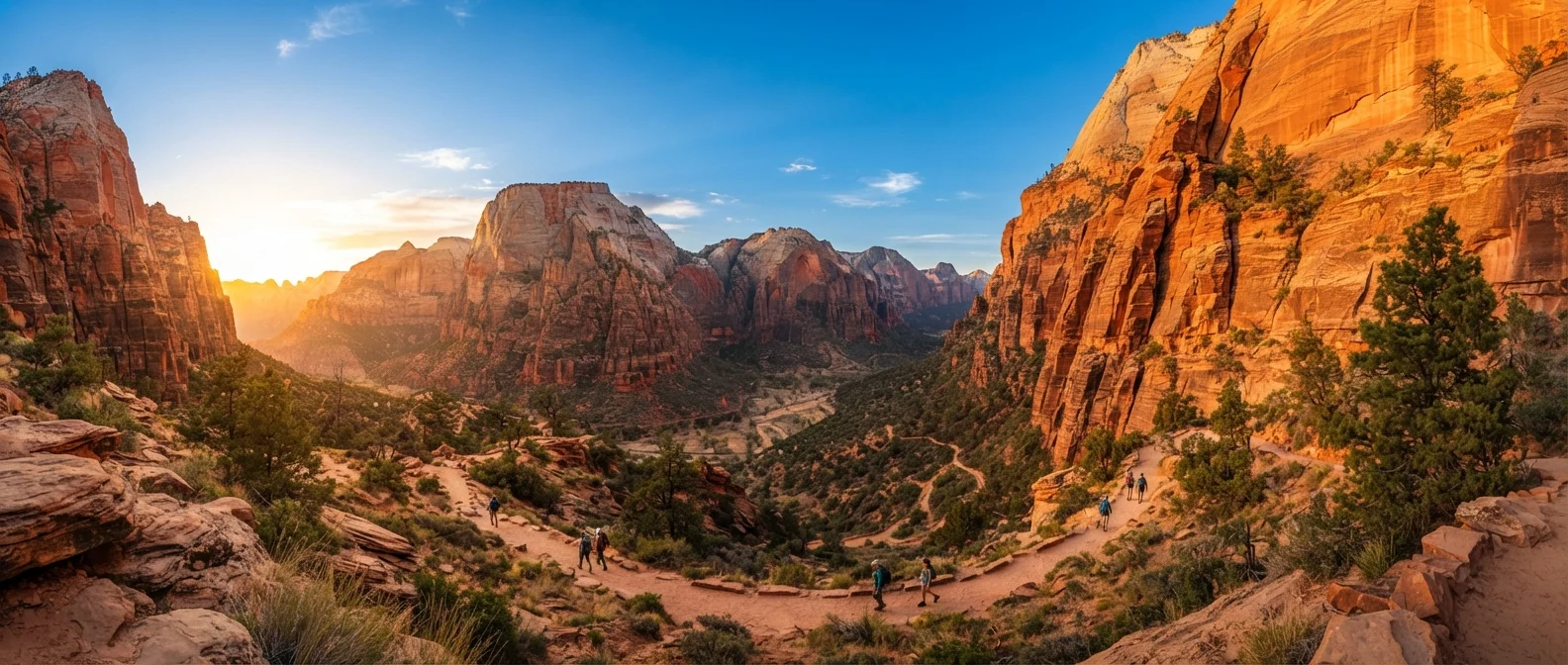
Photo: FaqsDrive.com | Smart Way To Search editorial
—— In This Article
Key Takeaways
- Match your first park to your fitness level and available time — not just its fame.
- Arriving early (before 9 a.m.) dramatically reduces crowds, parking headaches, and trail congestion.
- The America the Beautiful annual pass can offer significant savings if you plan to visit multiple parks.
- Leave No Trace principles protect fragile ecosystems and are legally enforced in many park areas.
- Cell service is unreliable inside most parks — download offline maps and trail guides before you arrive.
Choose the Right Park for Where You're Starting
With over 400 units in the National Parks System — from towering volcanoes to coastal marshes — choosing your first destination can feel paralyzing. Resist the urge to default to the most photographed parks. Places like Yellowstone and Yosemite attract millions of visitors annually, and first-timers often arrive underprepared for the logistics involved.
Instead, think honestly about your group's physical fitness, drive time from home, and how many days you have. A moderate park close to a major city — think Shenandoah in Virginia, Indiana Dunes in the Midwest, or Big Bend in Texas — can deliver a genuinely spectacular experience without overwhelming infrastructure demands. Our guide to what first-time visitors need to know breaks down reservation systems and seasonal conditions worth checking before you commit to a destination.
If your interests lean toward dramatic desert scenery, the American Southwest clusters several iconic parks — Zion, Bryce Canyon, Arches — within a relatively compact region, making it ideal for a multi-park road trip.
Master the Timing Before You Arrive
Timing is arguably the single biggest variable separating a frustrating park visit from a memorable one. Peak summer weekends at popular parks can mean parking lots full by 7 a.m., two-hour entry queues, and overbooked campgrounds. Smart first-timers plan around these patterns rather than fighting them.
325M+
Annual national park visits in the U.S.
The National Park Service reports visitor numbers consistently exceeding 300 million per year, with peak pressure concentrated at fewer than 20 flagship parks.
7 a.m.
Average time parking lots fill on peak summer weekends
At high-traffic parks like Yosemite and Glacier, rangers and visitor reports consistently note main parking areas reaching capacity by mid-morning on holiday weekends.
Shoulder seasons — late spring (May–June) and early fall (September–October) — offer the best balance of accessible trails, manageable crowds, and pleasant temperatures at most parks. Weekday visits further reduce congestion. When you do visit on a weekend, plan to arrive at the main entrance before 8 a.m. or after 3 p.m., when day-trippers thin out.
Many high-demand parks now require timed entry reservations, which sell out weeks in advance. Always verify current reservation requirements directly on the National Park Service website (nps.gov) before finalizing any plans. Conditions, fees, and access rules change seasonally.
Best Practices That Experienced Park Visitors Swear By
These habits separate visitors who leave wishing they'd known more from those who come away energized and eager to return.
Download offline maps and trail data before leaving cell service range.
Most national parks have extremely limited or nonexistent cell coverage. Relying on a live Google Maps connection mid-hike is a recipe for getting lost. Offline maps from apps like AllTrails or Gaia GPS keep you oriented even in remote backcountry.
Carry more water than you think you need — at minimum one liter per person per hour of hiking.
Dehydration is one of the leading causes of search-and-rescue calls in national parks, particularly in desert environments. Elevation, dry air, and physical exertion accelerate fluid loss faster than most people expect.
Follow Leave No Trace principles on every visit.
Leave No Trace (LNT) is a framework of seven principles designed to minimize human impact on natural environments. Violating these principles — picking wildflowers, feeding wildlife, leaving trash — degrades ecosystems that millions of future visitors depend on, and can carry real fines.
Research and book permits or campsites as early as the reservation window opens.
Iconic experiences — Half Dome cables at Yosemite, the Wave at Vermilion Cliffs, Havasupai Falls permits — are allocated months or even a year in advance by lottery. Showing up hoping for a walk-in spot almost never works for these locations.
Pace your itinerary to include genuine rest and flexibility.
First-time visitors frequently underestimate how much elevation gain, altitude adjustment, and unfamiliar terrain slow them down. An overscheduled park itinerary leads to exhaustion — and missed moments because you're too tired to enjoy them.
Quick Wins You Can Act on Right Now
You don't need months of preparation to start setting your trip up for success. A few actions taken today will pay dividends the moment you pass through the park entrance.
For a full walkthrough of the planning process — from picking dates to packing lists — our trip planning guide for first-time travelers covers every step in plain language. And if you're building out a daily schedule, this itinerary-building guide will help you avoid the classic mistake of cramming too much into each day.

Travel & Trips Editorial Team
Travel & Trips Editorial Team is the collective byline for our editorial team and contributor network. Articles published under this byline or an editorial pen name are researched, written, and reviewed according to our editorial standards for clarity, consistency, and independence before publication.
View author profile