
City Break vs. Nature Retreat: Two Very Different Ways to Spend a Long Weekend in America
Weighing a city escape against a wilderness getaway? See how these two domestic travel styles compare on cost, logistics, and experience.
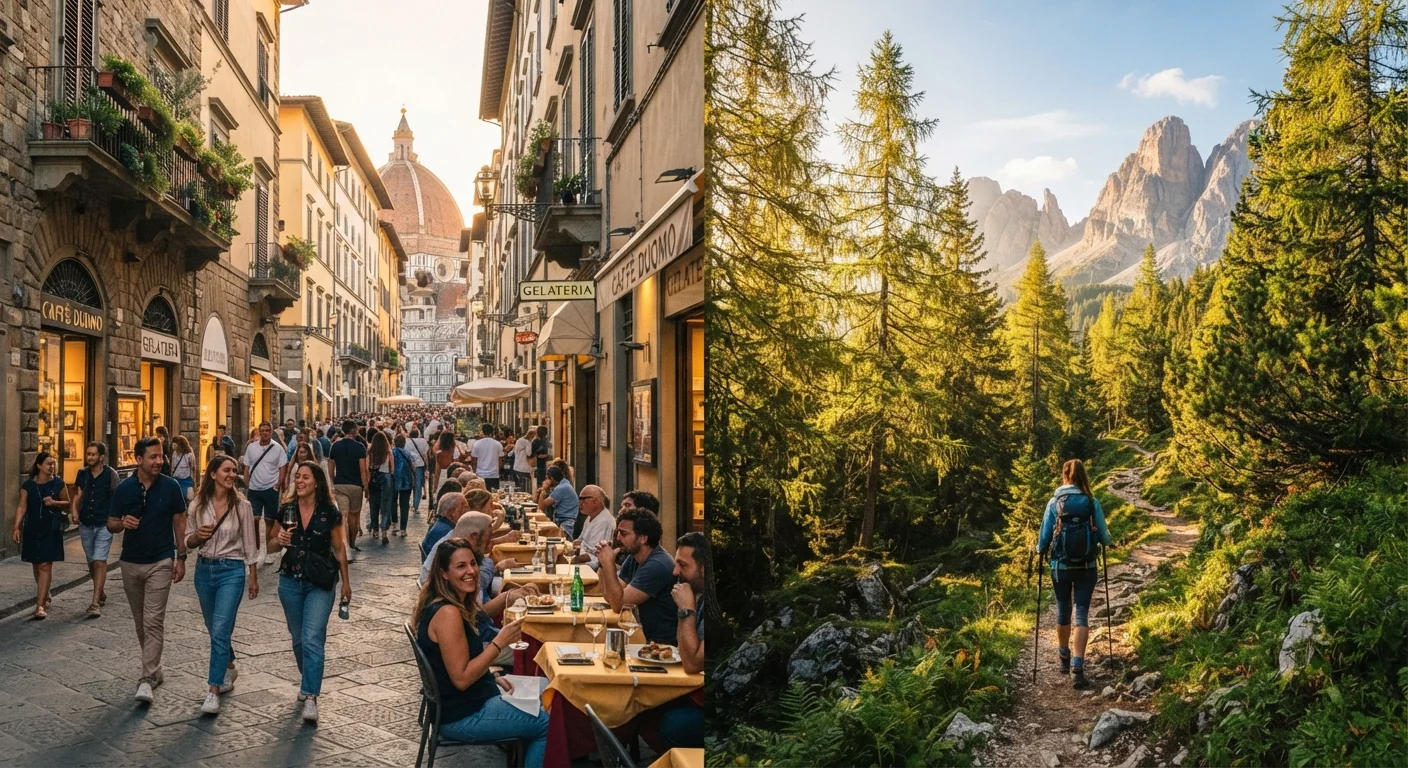
Photo: FaqsDrive.com | Smart Way To Search editorial
—— In This Article
Key Takeaways
- City breaks offer gear-free access to culture, dining, and entertainment in walkable destinations.
- Nature retreats can carry lower per-activity costs but demand more advance planning and gear.
- Popular national park campsites and trailhead permits often require reservations months ahead.
- Your group type, fitness level, and desired pace matter as much as your budget.
- Both formats suit a 3- or 4-day domestic long weekend with the right preparation.
What Each Travel Style Actually Offers
A long weekend gives you roughly 72 hours to step fully out of routine — just enough time to fall into a completely different rhythm. Two of the most popular domestic formats couldn't be more different in how they use that time.
A city break means landing somewhere vibrant — New Orleans, Portland, Chicago, or any number of underrated US cities worth exploring — and letting the streets do the entertaining. Neighborhoods, food halls, museums, live music, and local markets are all within reach, usually by transit or on foot. Gear requirements are minimal, and beyond lodging there's almost nothing to arrange in advance.
A nature retreat trades skylines for ridgelines. Whether you're hiking in the Great Smoky Mountains, camping near Utah's canyon country, or paddling a river in the Ozarks, the landscape itself becomes your agenda. The pace is slower, the experience more physical, and the mental shift tends to be more pronounced — especially if daily life is screen-heavy and urban. Planning your lodging type early matters here, as options range from developed campgrounds to backcountry sites to rustic cabins.
Cost and Logistics: What to Expect
Urban travel typically carries higher day-to-day costs. Hotels in popular US cities often run more per night than a campsite or national forest cabin, though prices vary significantly by destination and season. Add restaurant meals, museum admissions, and transit fares, and a city weekend budget can climb faster than expected. Exploring vacation rentals versus hotel stays can help, particularly for groups splitting costs.
Nature retreats often have lower per-activity costs — most national and state parks charge modest entry fees, and hiking is generally free — but they introduce different expenses. Gear (tents, sleeping bags, proper footwear, extra layers), fuel for a road trip, and trailhead permits at busy destinations all factor into the real price. First-time park visitors often underestimate the planning involved: campsite reservations at heavily visited parks can require booking months ahead, especially around holiday weekends.
Side by Side: How the Two Styles Compare
The table below puts both formats against each other across the factors that matter most when planning a domestic long weekend. Treat these as general ranges — actual conditions vary considerably by destination, season, and group size. How you get there also shapes the experience significantly; our road trip vs. fly-and-explore comparison breaks that decision down in detail.
| City Break | Nature Retreat | |
|---|---|---|
| Typical lodging | Hotel or vacation rental | Campsite, cabin, or park lodge |
| Day-to-day cost level | Moderate to high | Low to moderate |
| Advance planning required | Minimal to moderate | Moderate to high |
| Gear needed | Standard travel bag | Outdoor and camping gear |
| Physical activity level | Light to moderate | Moderate to high |
| Accessibility | Generally high | Varies by terrain and trail |
| Best suited for | Culture, food, history, nightlife | Solitude, nature, fitness, reset |
Matching the Style to Your Travel Goals
Neither format wins outright — the better pick depends on what you actually want to feel at the end of the weekend. City breaks reward spontaneity and social energy: you can adjust plans in real time, discover a new neighborhood, or stumble into a local festival. They're also more accessible for travelers with mobility considerations, since urban infrastructure is generally more consistent than uneven backcountry terrain.
Nature retreats offer something harder to find in a city: genuine quiet, physical challenge, and the kind of reset that comes from sustained time outdoors. They also tend to suit travelers who enjoy choosing their landscape deliberately — forest, desert, mountain, or coast — based on season and personal energy levels.
Whichever direction you lean, a focused 3- or 4-day trip can be just as satisfying as a longer vacation. Smart long-weekend planning often comes down to one clear decision made early: knowing what you actually want from the trip before you book a single thing.
Time Your Trip Around the Season
Long weekends during peak summer draw heavy crowds to both popular city attractions and national parks. If you're heading outdoors, campsite and permit reservations at high-traffic destinations can sell out months in advance — check the National Park Service and individual park websites for current reservation windows. For city trips, shoulder seasons (spring and fall) often bring milder weather and thinner crowds. Always verify current entry requirements, trail conditions, and local advisories through official sources before you travel.

Travel & Trips Editorial Team
Travel & Trips Editorial Team is the collective byline for our editorial team and contributor network. Articles published under this byline or an editorial pen name are researched, written, and reviewed according to our editorial standards for clarity, consistency, and independence before publication.
View author profile