
Accommodation Options Travelers Have Beyond Hotels
From vacation rentals and hostels to camping and house-swapping, explore the full range of lodging types and what each suits best.
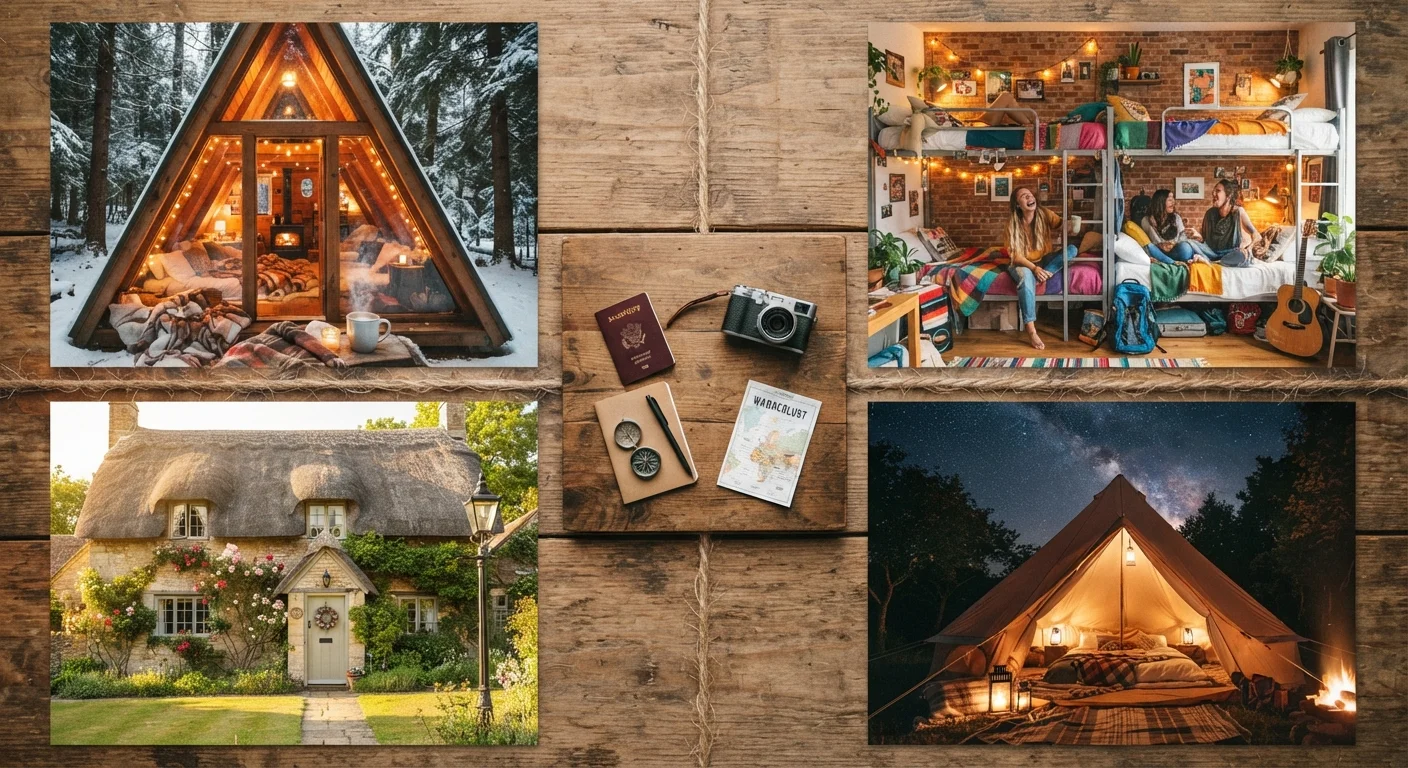
Photo: FaqsDrive.com | Smart Way To Search editorial
Key Takeaways
- Vacation rentals work especially well for families or groups splitting costs across multiple nights.
- Hostels are no longer just for backpackers — many now offer private rooms with shared common spaces.
- House-swapping and home-stays can dramatically reduce lodging costs on longer trips.
- Camping and glamping suit travelers who want immersive outdoor experiences without sky-high nightly rates.
- Matching your accommodation type to your trip style is one of the biggest factors in overall trip satisfaction.
Why Your Lodging Choice Matters More Than You Think
When most people plan a trip, they open a search engine and look for hotels. It's the default — familiar, easy, and predictable. But sticking exclusively to hotels means missing a whole landscape of lodging that can save you money, give you more space, connect you with locals, or simply make the trip feel more like an adventure.
The right accommodation can shape everything from your daily budget to how deeply you experience a destination. Whether you're planning a quick city weekend or a multi-week road trip across the American Southwest, understanding your options upfront is smart trip planning. For more on how timing affects availability and pricing across all lodging types, see our guide on planning around peak and off-season travel.
Below, we've mapped out the most common non-hotel accommodation types, what they're actually like to book and stay in, and who each one suits best.
Vacation Rentals
Vacation rentals — entire homes, apartments, or cottages booked through platforms you're probably already familiar with — have surged in popularity for good reason. You get a full kitchen, multiple bedrooms, living space, and often a washer-dryer, all of which matter enormously on trips lasting more than a few nights.
They tend to make the most financial sense when traveling with a group or family that can split the nightly rate. The per-person cost often undercuts a comparable hotel arrangement. However, watch for cleaning fees, minimum stay requirements, and strict cancellation policies that aren't always obvious during the search phase. For a deeper look at the cost math, our article on vacation rental vs. hotel for budget travelers breaks it down clearly.
Vacation rentals often cost less per person than hotels when a group shares the full nightly rate.
Hostels
The hostel has evolved well beyond its budget-backpacker reputation. Modern hostels — especially in major US cities and popular tourist towns — frequently offer a range of room types, from classic dormitories with bunk beds to private rooms with en-suite bathrooms. What distinguishes them is the social infrastructure: communal kitchens, common lounges, organized events, and a built-in community of fellow travelers.
Hostels remain among the most affordable options for solo travelers, and they're particularly well-suited to anyone who wants to meet people on the road. Booking ahead is essential during busy seasons — dorm beds fill quickly.
Modern hostels regularly offer private rooms, making them viable for travelers who want affordability plus community.
Bed and Breakfasts (B&Bs)
A bed and breakfast is typically a privately owned home or small inn where the hosts live on-site and provide a morning meal as part of the nightly rate. The experience is inherently more personal than a hotel: rooms are individually decorated, hosts often know the local area deeply, and the atmosphere tends toward quiet and unhurried.
B&Bs suit couples, solo travelers, and anyone who values a slower, more connected travel pace. They're particularly common in New England, the Pacific Northwest wine country, and historic Southern towns. Keep in mind that amenities vary significantly between properties — always read recent guest reviews before booking.
B&B hosts are often the best local guides you'll find — their area knowledge is a genuine travel asset.
Camping and Glamping
Camping — whether in a tent, a rented RV, or a rustic cabin at a national park campground — places you directly inside the landscape you traveled to experience. For many travelers, waking up to mountain air or a lakeside view is the entire point of the trip. Campsite fees at public lands are often a fraction of any indoor lodging option.
Glamping (glamorous camping) has grown substantially as an option for travelers who want the outdoor setting without giving up a comfortable bed and weather protection. Think furnished canvas tents, yurts, and treehouses with real linens. If you're weighing whether to drive to a natural destination or fly, our guide on road trip vs. fly-and-explore can help frame that decision.
Glamping bridges the gap between outdoor immersion and indoor comfort — ideal for nature-curious first-timers.
Home-Stays and House-Swapping
A home-stay involves staying as a guest in a local family's home — sometimes with meals included — typically arranged through dedicated hospitality networks. House-swapping takes a different approach: two households agree to exchange homes for an overlapping period, paying no nightly rate at all beyond platform membership fees.
Both arrangements require more trust and coordination than booking a standard rental, but the payoff can be significant. Home-stays offer cultural immersion that no hotel can replicate. House-swapping essentially eliminates accommodation costs entirely for travelers willing to open their own homes in return. Both are worth exploring if you're planning a longer trip and want to stretch your travel budget.
House-swapping can eliminate nightly accommodation costs entirely for travelers open to reciprocal exchanges.
Extended-Stay and Apartment Hotels
Extended-stay properties sit between a traditional hotel and a full apartment rental. They're designed for guests staying a week or longer and typically include a kitchenette, more storage, and laundry facilities on-site. Nightly rates usually drop significantly the longer you stay.
These are particularly practical for travelers on work assignments, people relocating, or anyone doing a slow-travel style trip through a single region. They offer the service consistency of a hotel brand without requiring you to eat every meal at a restaurant — a meaningful budget difference over seven or more nights.
Extended-stay properties offer hotel reliability with apartment practicality — a strong match for week-plus trips.
Choosing What Fits Your Trip
No single accommodation type wins every time. The right pick depends on your group size, travel style, budget range, and destination. A solo traveler doing a city break vs. a nature retreat will have very different needs, and your lodging should reflect that.
Match Accommodation Type to Trip Length
Short trips of one to three nights often favor simplicity — hostels, B&Bs, or a straightforward rental work well. For trips of a week or longer, prioritize amenities like a kitchen and laundry access, which reduce daily costs meaningfully. Always factor in check-in flexibility and cancellation terms before committing, especially if your travel plans involve any uncertainty.
Once you've settled on a lodging type, keeping all your booking confirmations and documents in one accessible place becomes essential. Our guide to staying organized across bookings and travel docs walks through practical systems for doing exactly that. The goal is a trip where you spend less energy managing logistics and more time actually enjoying where you are.

Travel & Trips Editorial Team
Travel & Trips Editorial Team is the collective byline for our editorial team and contributor network. Articles published under this byline or an editorial pen name are researched, written, and reviewed according to our editorial standards for clarity, consistency, and independence before publication.
View author profile