
Cat Grooming at Home: Building a Routine That Actually Works
From brushing and nail trims to ear checks, here's how to establish a grooming habit your cat will tolerate — and maybe enjoy.
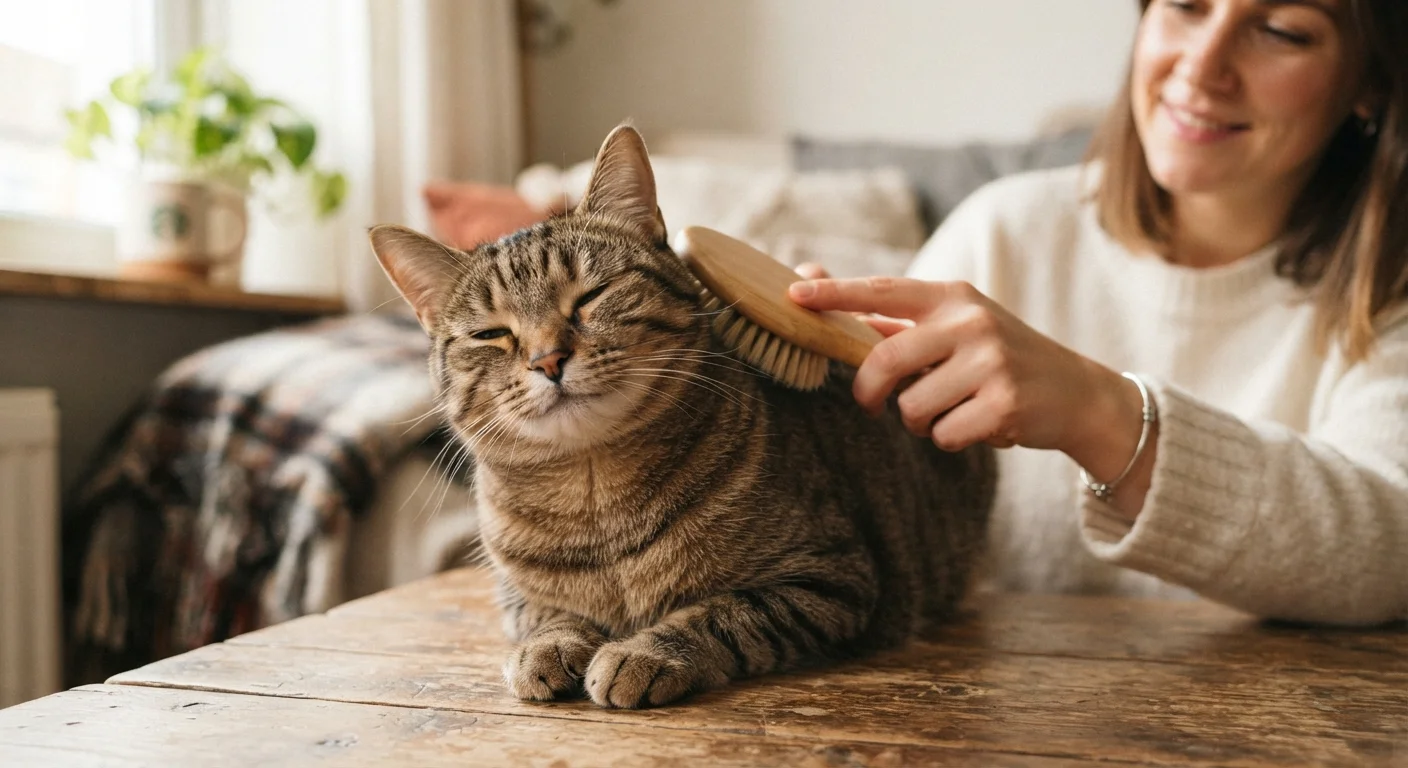
Photo: FaqsDrive.com | Smart Way To Search editorial
—— In This Article
Key Takeaways
- Short, calm grooming sessions work better than occasional long ones — consistency is the key.
- Brushing, nail trims, ear checks, and eye area cleaning each serve a distinct health purpose.
- Reading your cat's body language prevents stress and reduces the chance of scratches.
- Starting grooming habits early in a cat's life makes long-term tolerance much more likely.
- Most grooming tasks can be done at home with a few simple, purpose-appropriate tools.
Why Home Grooming Matters More Than You Might Think
Many cat owners assume that because cats groom themselves, there's nothing left to do. That's only partly true. While cats are remarkably self-sufficient, regular handling by you serves a different purpose: it helps you catch early signs of skin problems, lumps, ear infections, or overgrown nails before they escalate. It also reinforces your bond and keeps your cat comfortable with being touched — which matters enormously at vet visits.
A cat's lifestyle affects how much grooming support they need. Indoor cats tend to need more nail attention since they don't wear claws down naturally. Long-haired cats — breeds like Maine Coons or Persians — need brushing several times per week to prevent painful mats. Even short-haired cats benefit from weekly brushing, which reduces shedding and helps manage hairballs.
The goal isn't perfection. It's a predictable, low-stress routine your cat learns to accept — and sometimes genuinely enjoy.
What you will need
What You'll Need Before You Start
Having the right tools makes each session faster and less frustrating for both of you. Below is a list of what to gather. You don't need everything at once — start with a brush and nail clippers, then expand as you add tasks to your routine.
Slicker brush or grooming mitt
Removes loose fur and distributes skin oils; choose based on your cat's coat length and sensitivity.
Stainless steel cat nail clippers
Designed for the angle and thickness of cat claws; avoids the splintering that human nail clippers can cause.
Cat-specific ear cleaning solution
Loosens debris in the outer ear canal for gentle removal; never use alcohol or hydrogen peroxide.
Cotton balls or pads
Used to gently wipe the outer ear after applying cleaning solution; do not insert into the ear canal.
Wide-tooth comb
Works through tangles and mats on medium- to long-haired cats before brushing.
Cat-safe eye wipe or damp cloth
Clears dried discharge from the corner of the eyes in flat-faced breeds prone to tearing.
Step-by-Step: Building Your Grooming Routine
Follow these steps in order when introducing grooming to a new or reluctant cat. Once your cat is comfortable, you can complete several steps in a single short session. Refer to cat body language cues throughout — a lashing tail or flattened ears means stop and try again later.
Let Your Cat Sniff the Tools First
Before any grooming begins, place your brush, clippers, or other tools on the floor near your cat. Let them investigate at their own pace. This removes the element of surprise, which is one of the biggest triggers for grooming resistance. Repeat this for two or three sessions before actually using the tools.
Start With Brief Brushing Sessions
Begin at the neck and shoulders — areas most cats enjoy being touched — and brush in the direction of fur growth. Work toward the back and sides. Avoid the belly and tail base initially, as these spots are often sensitive. Keep the session to one to two minutes and offer a treat afterward. Gradually extend the areas you cover as your cat relaxes.
Introduce Nail Trimming Gradually
Start by simply holding your cat's paw and pressing gently to extend one claw, then release and reward. Do this daily for a week before attempting an actual trim. When trimming, clip only the clear, pointed tip — avoid the pink area (called the quick), which contains blood vessels and nerves. Trim one or two nails per session rather than all at once.
Check and Clean the Ears
Gently fold back the outer ear flap and look inside. Healthy ears are light pink and have minimal odor. A small amount of light brown wax is normal. If you see dark debris, redness, a strong smell, or your cat is scratching at their ears frequently, contact your veterinarian rather than attempting home treatment. For routine cleaning, apply a few drops of cat-specific ear cleaning solution, gently massage the base of the ear for a few seconds, then wipe the outer area with a cotton ball.
Wipe the Eye Area If Needed
Some cats — especially flat-faced breeds like Persians and Himalayans — accumulate dried discharge in the corners of their eyes. Using a soft, damp cloth or a cat-safe eye wipe, gently clear this away with a single downward stroke. Use a fresh area of the cloth for each eye to avoid transferring anything between them.
Establish a Regular Schedule
Consistency is what transforms grooming from a struggle into a routine. A general framework: brush short-haired cats weekly and long-haired cats two to three times per week; trim nails every two to three weeks; check ears monthly or as needed. Mark sessions on a calendar or phone reminder until the habit sets. Over weeks, your cat will begin to recognize the cues — the same location, the same tools — and their stress response will diminish.
Kittens Adapt Faster Than Adult Cats
If you've recently brought home a young cat, now is the ideal time to begin. Kittens that are handled regularly during their socialization window — roughly two to seven weeks, but extending through early months — grow into adults who are far more tolerant of grooming. Even if the sessions accomplish very little at first, the habituation is what matters. See our first cat preparation guide for other early setup steps.
Troubleshooting a Cat That Won't Cooperate
Even well-socialized cats have off days. If your cat is consistently resistant, consider these adjustments:
- Sessions too long: Keep each task to under two minutes until trust builds. A one-minute brush session that ends positively beats a five-minute struggle.
- Wrong timing: Groom after play or a meal, when your cat is naturally calmer. Avoid sessions when they're already overstimulated.
- Skipping rewards: Use a small treat or verbal praise immediately after each task. The association between grooming and something pleasant is what changes behavior over time.
- Underlying discomfort: If a normally tolerant cat suddenly refuses to be touched in a specific area, consult your veterinarian. Pain, not temperament, may be the cause.
Pair grooming habits with other positive care practices — mental enrichment and a stable environment reduce overall stress, which makes cats more tolerant of handling. And keep in mind that routine vet checkups complement what you do at home — your vet can spot what even attentive owners miss.
Bathing Cats: Proceed With Caution
Most cats do not need regular baths — their self-grooming is highly effective. Bathing should be reserved for situations like exposure to a toxic substance, severe flea infestation, or a medical condition your vet recommends it for. Unnecessary bathing strips protective oils from the coat and can be deeply stressful. If a bath is genuinely necessary, use a cat-specific shampoo and have a plan to keep the session brief and calm.

Pets & Animals Editorial Team
Pets & Animals Editorial Team is the collective byline for our editorial team and contributor network. Articles published under this byline or an editorial pen name are researched, written, and reviewed according to our editorial standards for clarity, consistency, and independence before publication.
View author profile