
Everything Cat Owners Tend to Get Wrong About Hairballs
Hairballs are normal — up to a point. Separate fiction from fact so you know when to act and when not to worry.
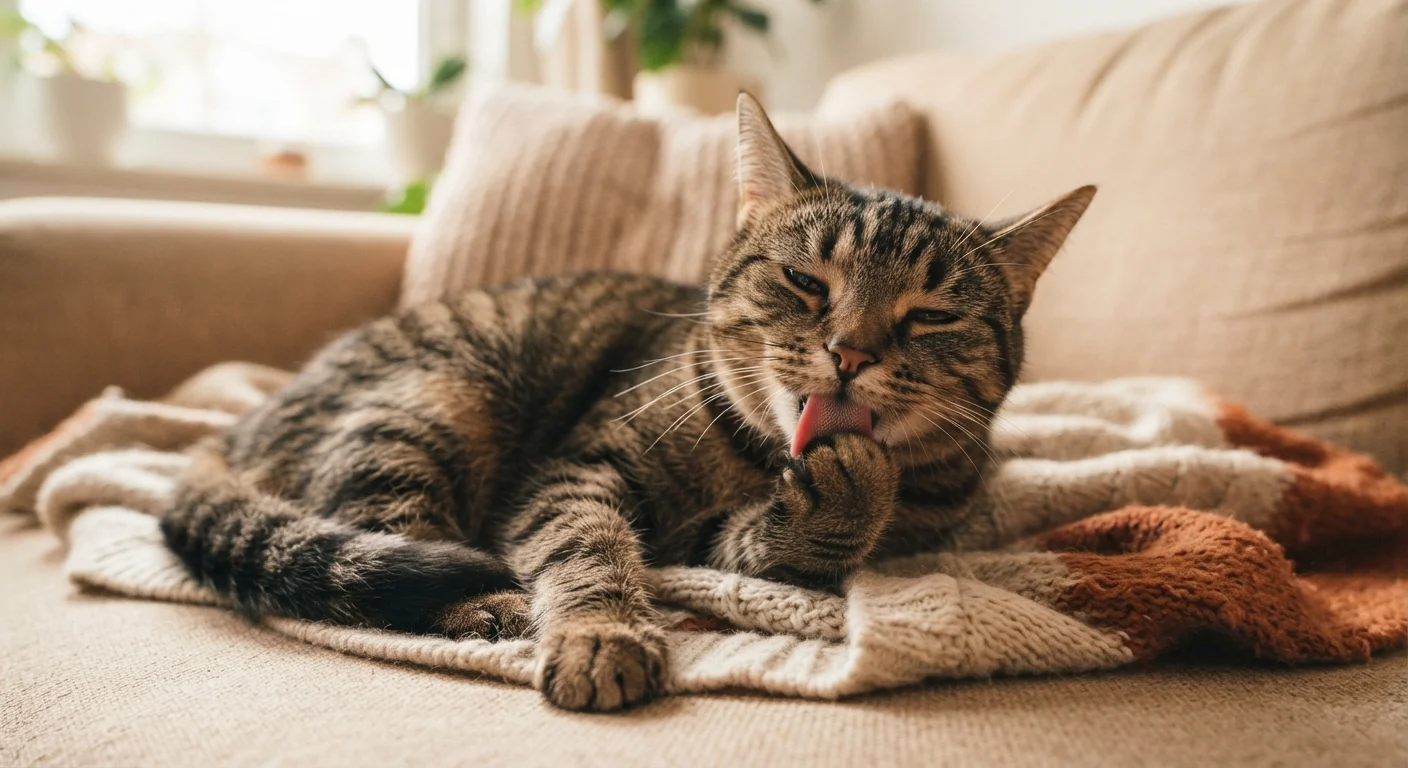
Photo: FaqsDrive.com | Smart Way To Search editorial
—— In This Article
Key Takeaways
- Occasional hairballs are normal, but frequent vomiting always warrants a vet visit.
- Not every cat produces hairballs regularly — shedding amount and grooming habits vary widely.
- Regular brushing is one of the most effective ways to reduce hairball frequency.
- Retching without producing a hairball can signal a more serious blockage requiring prompt attention.
- Diet changes and hydration can support digestive health and help fur pass more easily.
Why Hairball Myths Spread So Easily
Hairballs are one of those topics that almost every cat owner has an opinion on — often passed down from another cat owner rather than a veterinarian. Because hairballs are common enough to seem unremarkable, misconceptions about them rarely get questioned. The result is that owners sometimes ignore warning signs or, conversely, panic unnecessarily over something entirely normal.
Understanding what hairballs actually are — compacted fur that accumulates in the stomach during self-grooming and is then regurgitated — helps set realistic expectations. Cats are meticulous self-groomers, and their tongues are designed to catch loose fur. Most of that fur passes through the digestive tract without incident. It's only when enough accumulates in the stomach that a hairball forms.
Myth
All cats get hairballs regularly, and it's just part of owning a cat.
Fact
Many cats rarely or never produce hairballs. Frequency depends heavily on coat type, grooming habits, and diet.
Long-haired breeds like Persians and Maine Coons do tend to ingest more fur during grooming, making hairballs more common for them. But short-haired cats — especially those who are brushed regularly — may go months without one, or never experience a noticeable hairball at all. If your cat produces hairballs more than once or twice a month, that's worth a conversation with your vet rather than an assumption that it's simply normal for them.
Myth
Hairballs are always ball-shaped.
Fact
The name is misleading — hairballs are typically elongated, tube-like masses because they take the shape of the esophagus as they're expelled.
When a cat vomits up ingested fur, it has been compressed in the digestive tract and then forced through the narrow esophagus on the way out. The result is almost always a cylindrical, slightly slimy clump — rarely anything resembling a sphere. Knowing what a hairball actually looks like helps owners distinguish it from other types of vomit, which may indicate unrelated digestive issues.
Myth
If your cat is vomiting, it's probably just a hairball — nothing to worry about.
Fact
Vomiting has many possible causes, and assuming it's always hairball-related can delay diagnosis of other conditions.
Cats can vomit due to food sensitivities, inflammatory bowel disease, parasites, kidney disease, hyperthyroidism, and other health problems. If vomiting happens frequently — with or without visible fur — or is accompanied by weight loss, changes in appetite, or shifts in litter box behavior, it deserves veterinary attention. See our guide to litter box problems for more on how digestive health and elimination habits connect.
Myth
There's nothing you can do to prevent hairballs.
Fact
Regular grooming and appropriate nutrition can significantly reduce how often hairballs form.
The most direct prevention is removing loose fur before your cat can swallow it. Consistent brushing — ideally a few times a week for long-haired cats — cuts down on the amount of fur ingested during self-grooming. Our home grooming guide walks through building a brushing routine that actually sticks. Diet also plays a role: foods with higher moisture content and adequate fiber can help ingested fur move through the digestive tract more efficiently rather than accumulating into a mass. The wet vs. dry food comparison covers hydration differences worth considering.
Myth
Cats that groom excessively just have a hairball problem.
Fact
Over-grooming is often a behavioral or medical issue unrelated to hairballs and should be evaluated by a vet.
Excessive grooming — to the point of bald patches or skin irritation — is known as psychogenic alopecia or can stem from skin conditions, allergies, or parasites. It does increase the amount of fur ingested, but treating the root cause is what matters. Dismissing it as a hairball issue can delay appropriate care. If your cat is grooming far more than usual, a veterinary exam is the right first step.
What You Can Actually Do About Hairballs
Prevention is far more manageable than most owners realize. The two biggest levers are grooming and diet. Brushing your cat regularly removes loose fur before it can be swallowed — and for most cats, it's also a bonding experience when introduced gradually and patiently.
Don't Rely on Petroleum-Based Remedies Without Guidance
Some owners reach for petroleum jelly or commercial laxative gels at the first sign of a hairball. While these products are used in some contexts, regular unsupervised use can interfere with nutrient absorption and is not appropriate for all cats. Ask your veterinarian before making them part of your cat's routine.
On the diet side, adequate hydration supports the digestive system's ability to move ingested fur through naturally. Some cats benefit from high-fiber foods formulated specifically to aid hairball passage, but these should be chosen in consultation with a vet rather than selected based on packaging claims alone.
When Retching Becomes an Emergency
If your cat repeatedly retches, gags, or heaves without producing a hairball — especially alongside lethargy, loss of appetite, or a bloated abdomen — contact your veterinarian promptly. These signs may point to an intestinal obstruction, which is a medical emergency. Do not wait to see if it resolves on its own.
It's also worth knowing that stress can increase grooming frequency in some cats, indirectly contributing to more fur being swallowed. If your cat's hairball frequency has increased alongside any change in household routine, that context is useful information for your veterinarian.
This article is for general informational purposes only and is not a substitute for professional veterinary advice. Always consult a licensed veterinarian with questions about your cat's health.

Pets & Animals Editorial Team
Pets & Animals Editorial Team is the collective byline for our editorial team and contributor network. Articles published under this byline or an editorial pen name are researched, written, and reviewed according to our editorial standards for clarity, consistency, and independence before publication.
View author profile