
What 'Functional Organization' Really Means and Why Aesthetics Alone Fall Short
Pretty storage isn't always practical storage. Understand the difference between functional and decorative organization and why it matters.
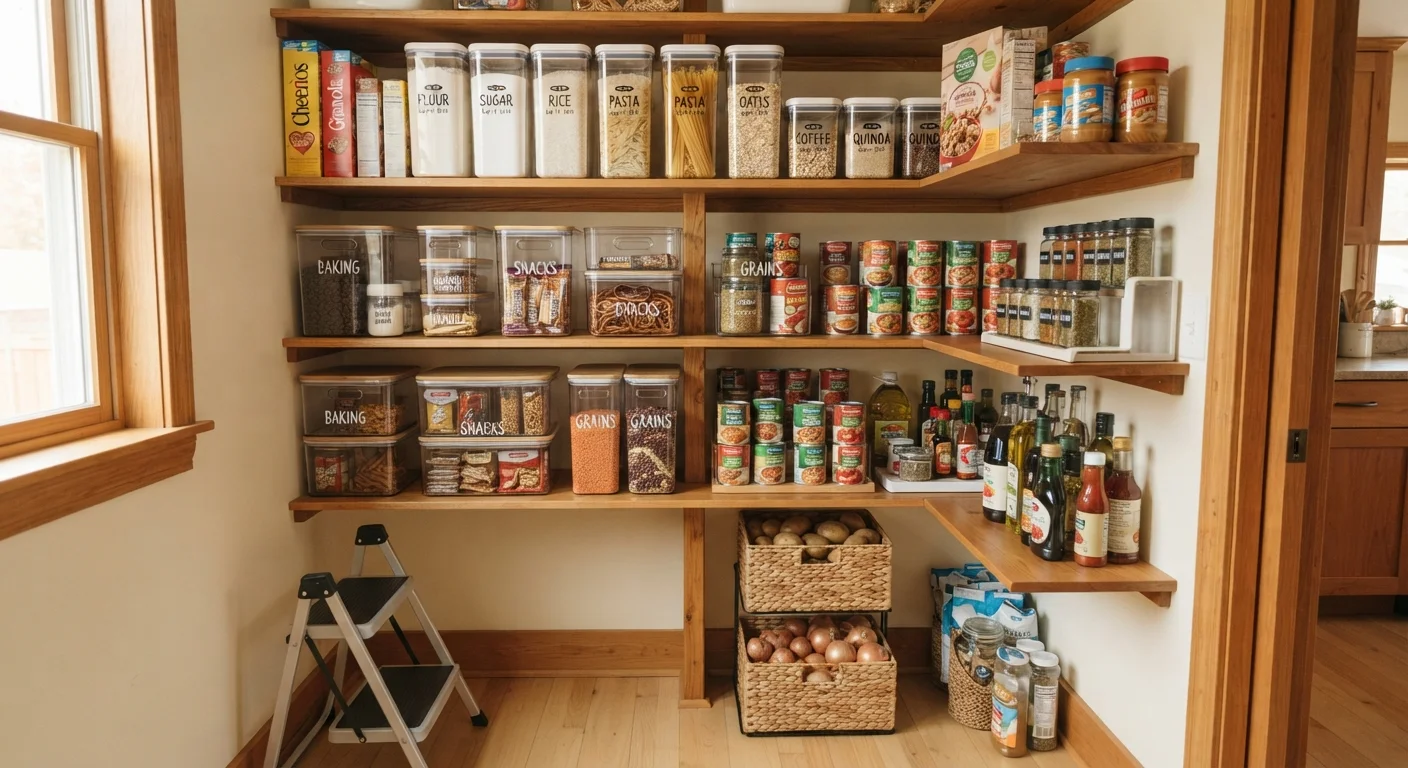
Photo: FaqsDrive.com | Smart Way To Search editorial
—— In This Article
Key Takeaways
- Functional organization is built around daily habits and real usage patterns, not appearances.
- A visually pretty space can still be completely impractical if it's hard to maintain.
- Sustainable systems are simple, accessible, and work for everyone using the space.
- Aesthetics and function can coexist — but function must come first in the design process.
- The true test of good organization is whether the space stays orderly without constant effort.
The Problem With Pretty Organization
Scroll through any home organization feed and you'll find spotless pantries with identical glass jars, color-coded bookshelves, and drawer inserts arranged like architecture. These spaces are genuinely beautiful — but beauty alone doesn't make a system work.
When organization is designed primarily for appearance, it tends to collapse quickly under real household conditions. Lids get left off containers because they're hard to remove. Items end up left on counters because returning them to their designated spot takes too many steps. Families give up on a system not because they're lazy, but because the system wasn't built around how they actually live.
This is the core problem: aesthetics are static, but daily life is not. A functional system has to account for rush-hour mornings, distracted kids, and tired evenings — not just the calm moment right after organizing. For a deeper look at the myths that keep people from getting this right, see common home organization myths worth reconsidering.
Test Your System Before You Style It
Before investing in matching containers or decorative bins, live with a new organization system for two weeks using whatever you already have. If the system holds up and everyone uses it consistently, then refine the aesthetics. This order of operations saves money and prevents you from building a beautiful system that doesn't actually work.
What Functional Organization Actually Looks Like
A functional system is built around three core questions: Can you find what you need quickly? Can you use it without obstacles? Can you put it back with minimal effort? If the answer to all three is yes — for everyone in the household — the system is working.
Functional organization often looks less polished than its decorative counterpart. Items might be stored in repurposed containers. Labels might be handwritten. Shelving might be adjustable rather than built-in. What matters is that the system fits the actual behavior of the people using it.
80%
Of clutter is due to disorganization, not lack of space
Frequently cited in professional organizing literature, this figure reflects that most households have enough room — they just lack effective systems.
40%
Of housework could be eliminated with better organization
According to the National Soap and Detergent Association, clutter is cited as a major contributor to unnecessary cleaning time in American homes.
Key principles of functional organization include:
- Proximity to use: Items are stored closest to where they're used — cutting boards near the prep area, medications near the bathroom, tools near the workspace.
- Low-friction returns: Putting something away should take no more effort than leaving it out.
- Visible access: Frequently used items should be easy to see and reach without moving other things.
- Household-wide usability: The system works for every person using the space, not just the person who set it up.
For a full breakdown of organizing terminology that underpins these concepts, the key terms every home organizer should understand is a useful plain-language reference.
How to Evaluate and Improve Your Own Systems
Start by observing where clutter actually accumulates in your home — not where you expect it to, but where it genuinely lands. A pile that forms in the same spot every week is telling you something: either an item has no designated home, or the designated home is inconvenient.
Walk through a typical morning or evening routine and notice every point of friction. Do you have to move three things to reach one? Does putting something away require opening multiple doors or drawers? Each of those steps increases the chance the system breaks down.
When assessing shared spaces, consider whether the system works for all users — not just the most organized person. Organizing a shared space when everyone has different habits offers practical strategies for building systems that hold across different household members.
If you're rethinking your storage approach entirely, it's worth comparing your options. Fixed shelving versus modular storage systems can help you evaluate which structure best supports a functional setup. For room-specific applications, organizing small kitchen cabinets, drawers, and countertops applies these principles in one of the most-used rooms in any home.
The goal isn't a perfect-looking space. It's a space that stays workable without constant effort — and that's a much more achievable, and more valuable, outcome.
Organization Systems Aren't One-Size-Fits-All
What works for a single-person household may not work for a family of four — and what works for one family may not work for another. Effective organization is always personal. Any system you build should reflect the specific habits, schedules, and needs of the people actually using the space, not an idealized version of how you wish your household operated.
Frequently Asked Questions

Home & Garden Editorial Team
Home & Garden Editorial Team is the collective byline for our editorial team and contributor network. Articles published under this byline or an editorial pen name are researched, written, and reviewed according to our editorial standards for clarity, consistency, and independence before publication.
View author profile