
Organizing a Shared Space When Everyone Has Different Habits
When housemates or family members disagree on tidiness, organization requires strategy. Practical approaches for creating shared systems that hold.
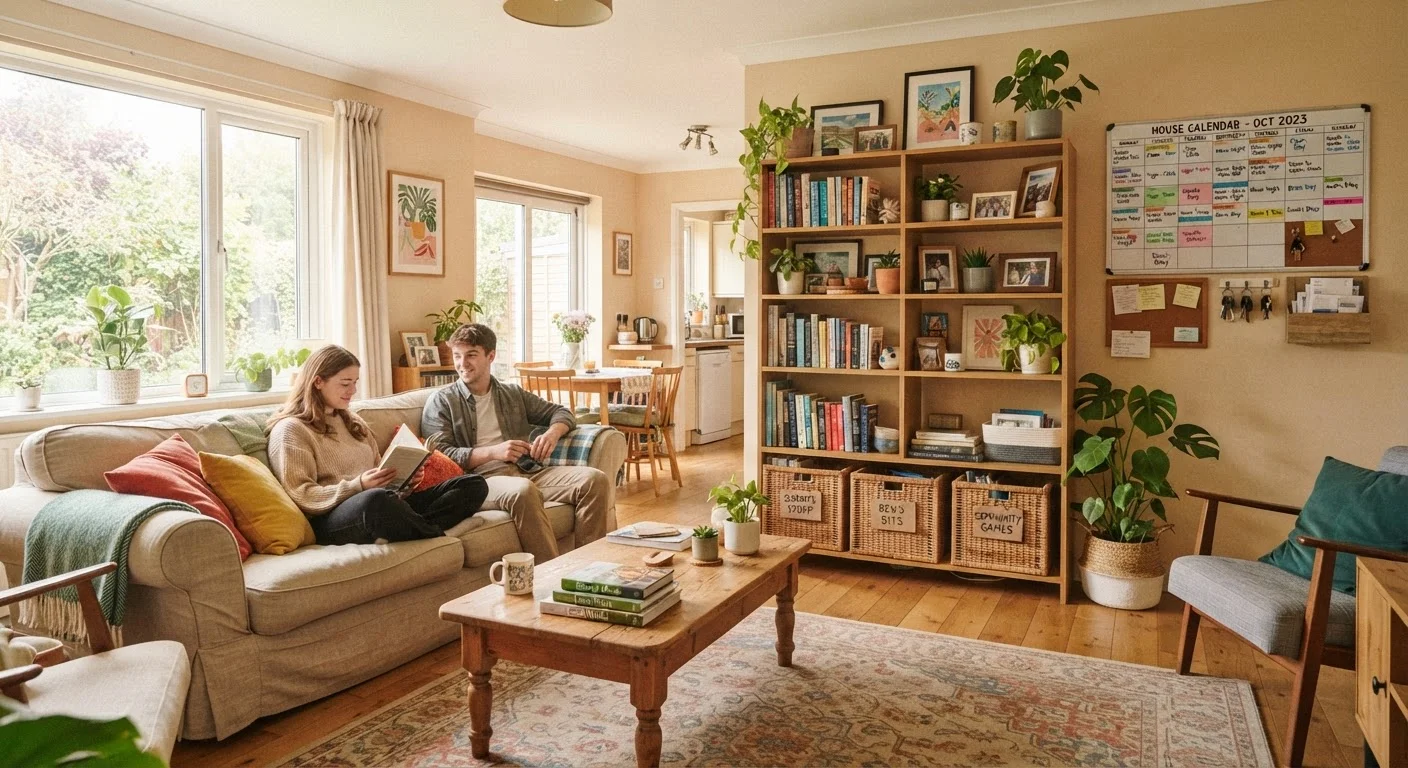
Photo: FaqsDrive.com | Smart Way To Search editorial
—— In This Article
Key Takeaways
- Shared spaces work best when organization systems are built around the habits of everyone involved, not just one person.
- Clearly defined zones and labeled storage reduce daily friction without requiring perfect neatness from everyone.
- Regular, brief check-ins help catch small organizational breakdowns before they become major sources of conflict.
- Flexibility matters — the best shared systems leave room for individual differences while keeping common areas functional.
Why Shared Spaces Are Harder to Organize Than Solo Ones
Organizing a space you live in alone is straightforward: your habits set the rules. Shared spaces introduce competing preferences, different tolerance levels for clutter, and mismatched routines. What feels like a clean kitchen counter to one person may feel like chaos to another.
The most common mistake people make is trying to impose one person's organizational style on everyone else. This creates resentment rather than order. Effective shared-space organization isn't about perfection — it's about building systems that are easy enough for every person in the household to actually use. Before you rearrange a single drawer, it's worth understanding that organizing before decluttering often makes the underlying problem worse. Start by removing what nobody needs, then build your shared system around what remains.
Best Practices for Organizing a Shared Space
The following practices are grounded in the principle that shared systems succeed when they require the least possible effort to maintain — and when everyone has had input into how they work.
Hold a brief household conversation before setting up any new system.
When people feel excluded from decisions about shared space, they're less likely to follow through. A short, low-pressure conversation — even just 10 minutes — surfaces individual habits and preferences, making it easier to design something everyone can realistically work with.
Assign dedicated zones rather than expecting one shared system for everything.
Trying to impose uniform organization across every inch of a shared space creates constant friction. Dedicated zones — a personal shelf, a drawer, a cabinet section — give each person ownership over their own area while keeping common zones functional.
Use visual cues like labels and color-coding to reduce guesswork.
When storage isn't clearly marked, people default to whatever is most convenient in the moment — which is often the nearest flat surface. Labels make the intended system visible and lower the mental effort required to follow it.
Set a low-maintenance standard, not a showroom standard.
Shared systems built around an unrealistically tidy baseline will fail quickly. When the bar is too high for the busiest or most clutter-tolerant person, the whole system collapses under real-life conditions.
Schedule a brief monthly check-in to review what's working and what isn't.
Households change — new items come in, routines shift, and what worked three months ago may now be causing friction. A short monthly reset prevents small organizational problems from growing into bigger conflicts.
Declutter shared areas before introducing new storage solutions.
Adding bins, baskets, or shelving to a cluttered space just gives clutter more places to hide. Removing unused items first means the system you build will actually have room to function. See the case against organizing before decluttering for more on why order matters here.
Making the System Stick Over Time
Even a well-designed shared system will drift without some attention. The goal isn't a one-time reorganization — it's creating small routines that keep things functional week after week. Daily and weekly habits are what prevent clutter from quietly rebuilding itself.
When a specific area keeps slipping — the kitchen counter, the entryway, the bathroom shelf — it's usually a sign the system there isn't a good match for how people actually behave in that spot. Adjust the system before blaming the people. For high-use areas like the kitchen, the strategies that work in small kitchens translate well to shared spaces of any size.
Modular Storage Can Help in Shared Spaces
When different household members have different storage needs, modular or adjustable shelving can be easier to adapt than fixed built-ins. Each person's section can be configured around their own belongings. For a practical breakdown of the trade-offs, see the comparison of fixed shelving versus modular storage systems.
Finally, keep in mind that storage capacity shapes behavior. If your shared space lacks enough dedicated spots for everyone's belongings, surfaces will absorb the overflow. Explore whether vertical space or underused corners can add capacity before adding conflict.

Home & Garden Editorial Team
Home & Garden Editorial Team is the collective byline for our editorial team and contributor network. Articles published under this byline or an editorial pen name are researched, written, and reviewed according to our editorial standards for clarity, consistency, and independence before publication.
View author profile