
Home Organization Myths That Keep People Stuck in Clutter
Think you need a big house or expensive containers to get organized? These common myths about home organization are worth rethinking.
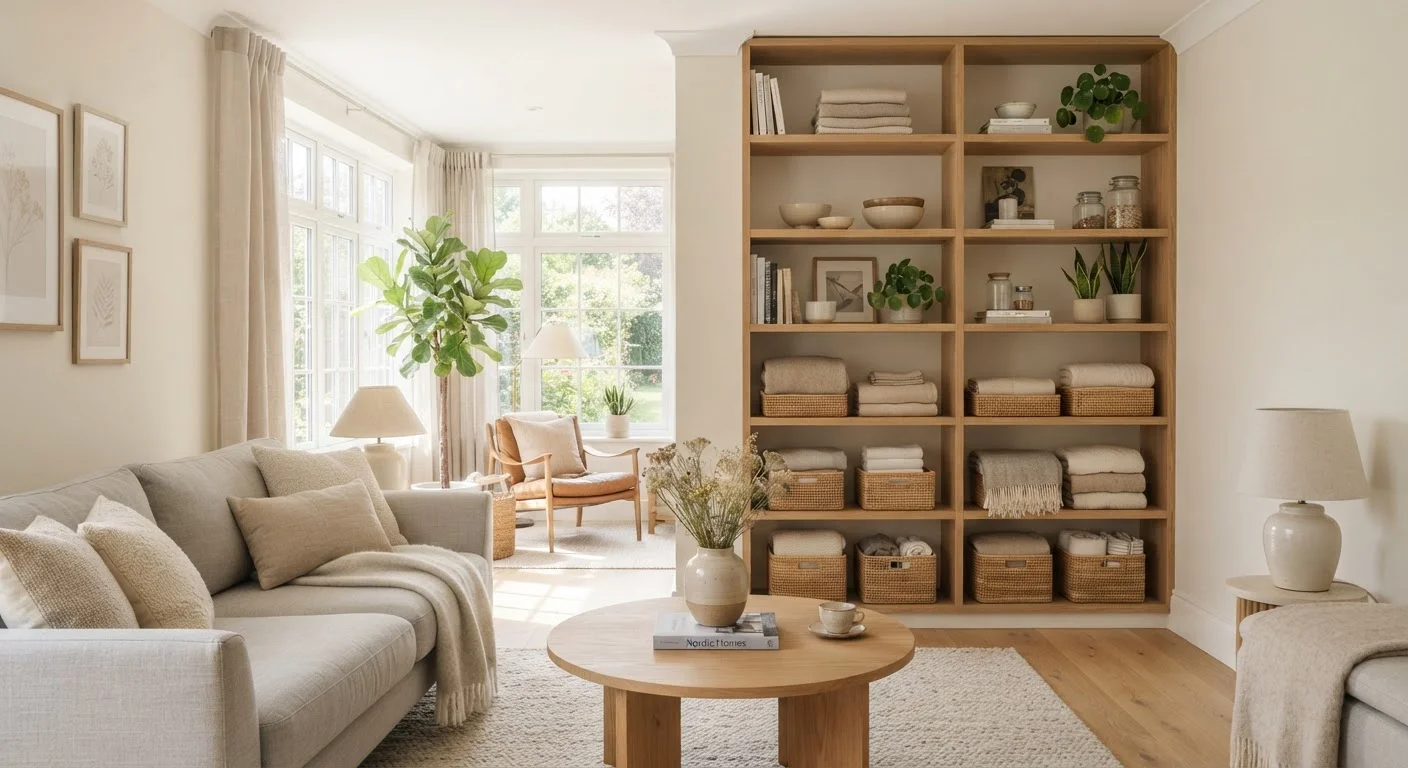
Photo: FaqsDrive.com | Smart Way To Search editorial
—— In This Article
Key Takeaways
- You don't need more space or expensive containers to get organized — systems matter more than storage.
- Organizing before decluttering often makes clutter worse, not better.
- A perfectly tidy home isn't the goal; a consistently functional one is.
- Organization is an ongoing habit, not a one-time project.
- Small homes can be just as organized as large ones with the right approach.
Why These Myths Spread — and Why They Keep You Stuck
Home organization advice is everywhere, but a lot of it is built on assumptions that simply don't hold up. These myths feel believable because they echo common frustrations — not enough space, not enough money, not enough time. The problem is that believing them can stop you from making real progress before you even begin.
Understanding what's actually true about organization — versus what's been repeated so often it sounds true — is the fastest way to move forward. This article addresses six of the most persistent misconceptions and replaces them with practical, grounded thinking. If you're newer to this process, our plain-language guide to home organization terms can also help you get your bearings.
Myth
I just need more storage space, and my clutter problem will be solved.
Fact
More storage doesn't reduce clutter — it just gives you more places to hide it.
Adding shelving, bins, or a storage unit before addressing what you actually own tends to preserve clutter rather than eliminate it. The underlying issue isn't a shortage of space — it's an excess of items relative to what you genuinely use and need. Decluttering first, then organizing what remains, is the more effective sequence. For a closer look at why the order matters, see why organizing before decluttering backfires.
Myth
You need a large home to be truly organized.
Fact
Home size has little to do with organization — systems and habits matter far more.
Small homes are often easier to keep organized because there's less square footage for clutter to spread. What makes a home feel chaotic isn't lack of room but lack of consistent systems. Assigning every item a specific home, using vertical space, and keeping countertops clear can transform even compact rooms. Our small kitchen organization guide shows this in action for one of the trickiest rooms in any home.
Myth
Getting organized requires expensive bins, labels, and matching containers.
Fact
Effective organization relies on consistent systems, not coordinated products.
Matching containers can make a space feel polished, but they're not what makes it functional. Shoeboxes, repurposed jars, and basic baskets work just as well if items are grouped logically and returned to the same spot consistently. Spending money on organizers before you've decluttered often means buying containers for things you'll eventually discard anyway — a costly and discouraging cycle.
Myth
Once I organize a space, I won't have to deal with it again.
Fact
Organization is an ongoing practice, not a one-time event.
Even a well-organized home will accumulate clutter again without regular maintenance. Daily habits — returning items to their places, doing a quick weekly reset, and being intentional about what comes into the home — are what sustain organization over time. Thinking of it as a finished project sets you up for frustration when things inevitably slip. The one-in, one-out rule and similar habits are practical ways to build that ongoing practice.
Myth
A perfectly tidy home means you're organized.
Fact
Tidiness and organization are related but not the same — function matters more than appearance.
A home can look tidy after a fast surface clean while remaining fundamentally disorganized underneath — drawers stuffed, closets packed, items impossible to locate quickly. True organization means you can find what you need when you need it and return it without effort. The goal isn't a showroom; it's a home that supports how you actually live. Understanding this distinction can relieve a lot of unnecessary pressure.
Myth
Sentimental items should be kept no matter what, so there's no point decluttering those areas.
Fact
Keeping meaningful items is valid, but quantity and intentionality still matter.
Emotional attachment to objects is real and worth respecting — but it can also become a reason to avoid making any decisions at all. The goal isn't to discard what matters to you; it's to be deliberate about what you keep and how much space it occupies. Curating sentimental items — displaying a few meaningful pieces rather than storing dozens out of sight — often honors them more than keeping everything in boxes. For more on why letting go feels so difficult, the psychology behind clutter is worth reading.
What Actually Works: Principles Over Products
Once you strip away the myths, a clearer picture emerges: organization is less about what you own and more about the systems you build and maintain. The most functional homes aren't the ones with the most storage bins — they're the ones where items have consistent, logical homes and where clutter doesn't accumulate silently between cleanups.
25%
Two-car garages that can't fit any cars
According to a U.S. Department of Energy study, approximately one in four two-car garages in the U.S. cannot fit any vehicles due to clutter and stored items.
40%
Household items rarely or never used
Research from the National Association of Professional Organizers suggests that roughly 40 percent of household items are seldom or never used by their owners.
One principle worth internalizing early is that aesthetics and function aren't the same thing. A shelf that looks beautiful in a photo may be impractical in a real home with real daily use. For a deeper look at this tension, see what functional organization really means.
It also helps to recognize that even small, irregular spaces have hidden potential. Vertical walls, underbed clearance, and awkward corners are often overlooked. Our article on untapped storage opportunities in most rooms walks through those options in practical detail.
Finally, the habits you build after organizing matter just as much as the initial effort. Long-term organization habits — like the one-in, one-out rule — are what keep clutter from quietly returning over time.

Home & Garden Editorial Team
Home & Garden Editorial Team is the collective byline for our editorial team and contributor network. Articles published under this byline or an editorial pen name are researched, written, and reviewed according to our editorial standards for clarity, consistency, and independence before publication.
View author profile