
Garden Myths That Lead New Growers Astray
From 'more water is always better' to 'gravel improves drainage,' these widely repeated gardening beliefs don't hold up to scrutiny.
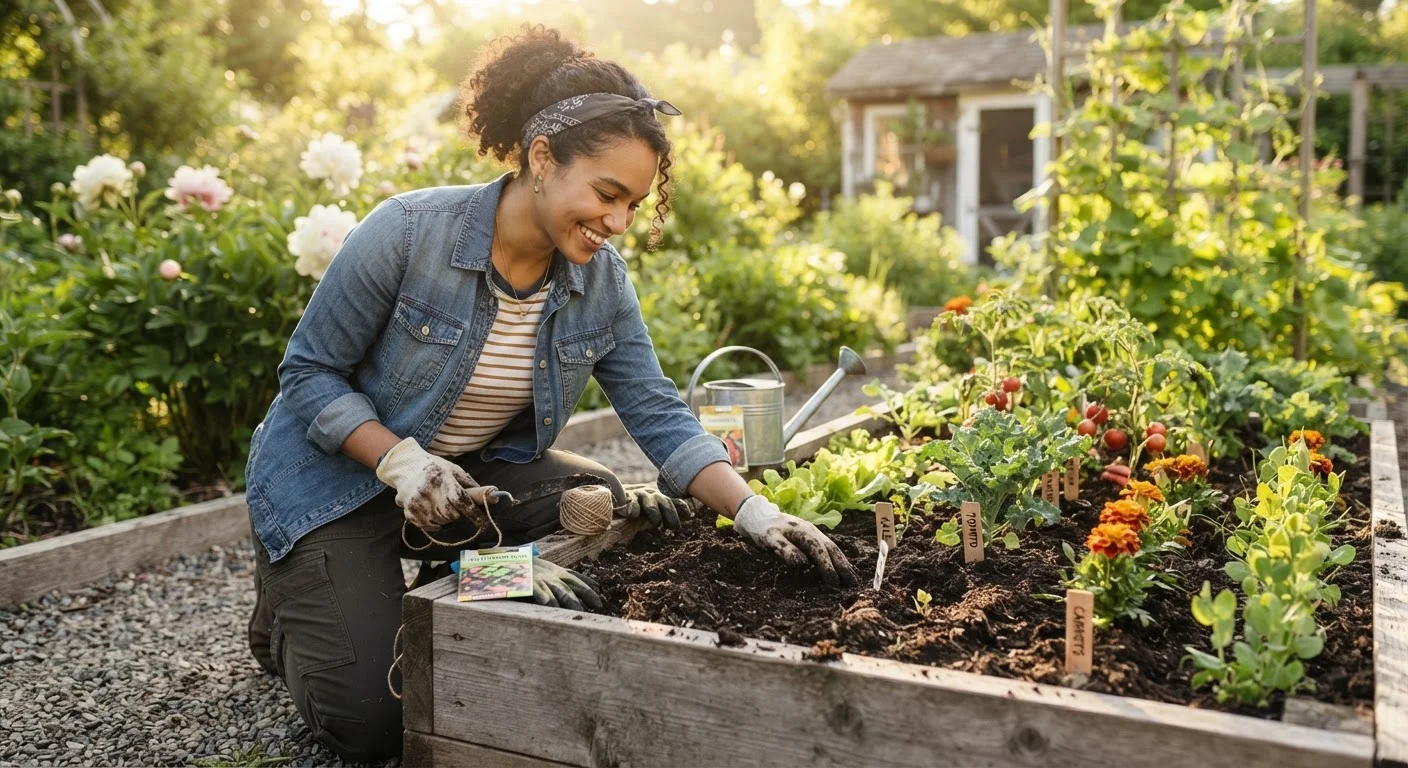
Photo: FaqsDrive.com | Smart Way To Search editorial
—— In This Article
Key Takeaways
- Overwatering is one of the most common ways beginners kill otherwise healthy plants.
- Adding gravel to the bottom of pots actually traps moisture rather than improving drainage.
- More fertilizer does not mean faster growth — excess nutrients can burn roots and harm soil.
- Organic matter and soil testing matter more than most gardening shortcuts beginners are told to try.
- Many widespread gardening tips are rooted in tradition rather than evidence — always verify before acting.
Why Gardening Myths Persist
Gardening knowledge has been passed down through generations — from neighbor to neighbor, in books printed decades ago, and across social media — faster than research can correct it. Many myths started as partial truths or reasonable guesses that became repeated so often they hardened into accepted wisdom. For a beginner, this creates a real problem: confident, well-meaning advice can lead you to do things that actively harm your plants.
The good news is that understanding why a myth is wrong — not just that it's wrong — gives you a mental model you can apply to new situations. That's what this article aims to do. For a solid foundation alongside these corrections, see our complete guide on starting your first garden from bare dirt to thriving beds.
Myth
More water is always better — if a plant looks stressed, give it more water.
Fact
Overwatering is among the most common causes of plant death for beginners. Consistently soggy soil deprives roots of oxygen and leads to rot.
Plant stress has many causes, and wilting doesn't always mean thirst. Heat stress, root damage, and disease can all produce the same drooping appearance as underwatering. Before reaching for the hose, check the soil at depth. Consistent, targeted watering — rather than frequent shallow watering — is what most garden plants actually need.
Myth
Putting a layer of gravel at the bottom of a pot improves drainage.
Fact
Gravel at the base of a container creates what soil scientists call a perched water table — water actually pools above the gravel layer, not below it.
Water moves through soil by capillary action and only drains into a coarser layer once the finer material above is fully saturated. Adding gravel simply raises the point at which saturation occurs, effectively reducing the usable soil volume and keeping roots wetter for longer. Fill pots with a quality potting mix suited to your plants and use containers with adequate drainage holes instead.
Myth
Fertilizing heavily will make plants grow bigger and faster.
Fact
Excess fertilizer — particularly nitrogen — can burn roots, cause lush but weak growth, and disrupt the soil's natural microbial balance.
Plants absorb nutrients in specific ratios, and flooding the soil with more than they can use causes salt buildup that draws moisture away from roots — a condition called fertilizer burn. A soil test will tell you what nutrients are actually deficient before you add anything. Compost and organic matter often provide a gentler, more balanced baseline than synthetic fertilizers applied without guidance.
Myth
Native plants take care of themselves and need no attention once established.
Fact
Native plants are generally more resilient and drought-tolerant once established, but 'established' can take one to three growing seasons, during which they still need care.
The establishment period — typically defined as the time before a plant's root system is deep and wide enough to sustain itself — requires regular watering and monitoring. After that threshold, native plants do tend to need significantly less intervention. But planting a native and immediately ignoring it is a common way to lose it. Our article on growing native plants in a home garden explores both the genuine advantages and realistic expectations.
Myth
You should add sand to clay soil to loosen it up.
Fact
Mixing sand into clay without also adding large amounts of organic matter can produce a dense, concrete-like mixture that is worse for plant roots than the original clay.
Improving clay soil requires building its structure over time with organic matter — compost, aged leaf litter, or cover crops worked in season after season. This approach encourages earthworms and microbial life that gradually open up compacted soil. Sand alone, without adequate organic content to create air pockets, binds with clay particles rather than separating them.
Myth
Coffee grounds are a great all-purpose fertilizer you can add freely to any bed.
Fact
Coffee grounds are mildly acidic and can benefit acid-loving plants in moderate amounts, but heavy applications can compact soil surface, inhibit germination, and potentially suppress some beneficial microbes.
Used in moderation and mixed into compost, coffee grounds can be a useful amendment. Applied thickly and directly to soil, they can form a water-repelling crust. They are not a balanced fertilizer — their nutrient content is relatively low — and they are not appropriate for plants that prefer neutral or alkaline soil. Blend them into your compost pile rather than broadcasting them directly across beds.
Putting the Facts to Work in Your Garden
Knowing what not to do is just as important as following a planting schedule. Avoid the most common myth-driven mistakes and you remove several of the biggest failure points that discourage beginners from continuing.
Overwatering Kills More Plants Than Drought
Roots need both water and oxygen. When soil stays saturated for extended periods, oxygen is pushed out and roots begin to rot — a process that looks identical to drought stress on the surface. Before watering, push a finger two inches into the soil. If it feels moist, hold off. For a deeper understanding of timing and technique, see our guide on watering habits that keep plants healthy.
Soil health underpins nearly every myth on this list. Gravel doesn't help drainage, sand doesn't fix clay, and fertilizer can't compensate for poor structure. Investing time in understanding your soil — and testing it before amending — pays dividends across every season you garden.
Don't Skip a Soil Test Before Amending
Randomly adding lime, sulfur, or fertilizer without knowing your baseline pH and nutrient levels can make problems worse. Soil test kits are widely available at garden centers and through local cooperative extension offices. Amend only what the test shows is actually needed — your plants will thank you. Learn more about what your soil actually needs in our article What Kind of Soil Does Your Garden Actually Need?.
If your seedlings are struggling despite avoiding these pitfalls, the problem may be something more specific. Our article on why seedlings keep dying before they get going covers damping off, light starvation, and other early-stage issues in detail. And if you're deciding between planting methods, raised beds vs. in-ground planting can help you match your setup to your goals.
Gardening rewards curiosity and patience more than any particular product or shortcut. Stick to evidence, test your soil, water thoughtfully, and give plants time — the results tend to follow.

Home & Garden Editorial Team
Home & Garden Editorial Team is the collective byline for our editorial team and contributor network. Articles published under this byline or an editorial pen name are researched, written, and reviewed according to our editorial standards for clarity, consistency, and independence before publication.
View author profile