
A Gardener's Glossary: 40 Terms You'll Encounter in Your First Season
Quick definitions for the gardening terms beginners encounter most — from hardiness zones and deadheading to tilth, mulch, and succession planting.
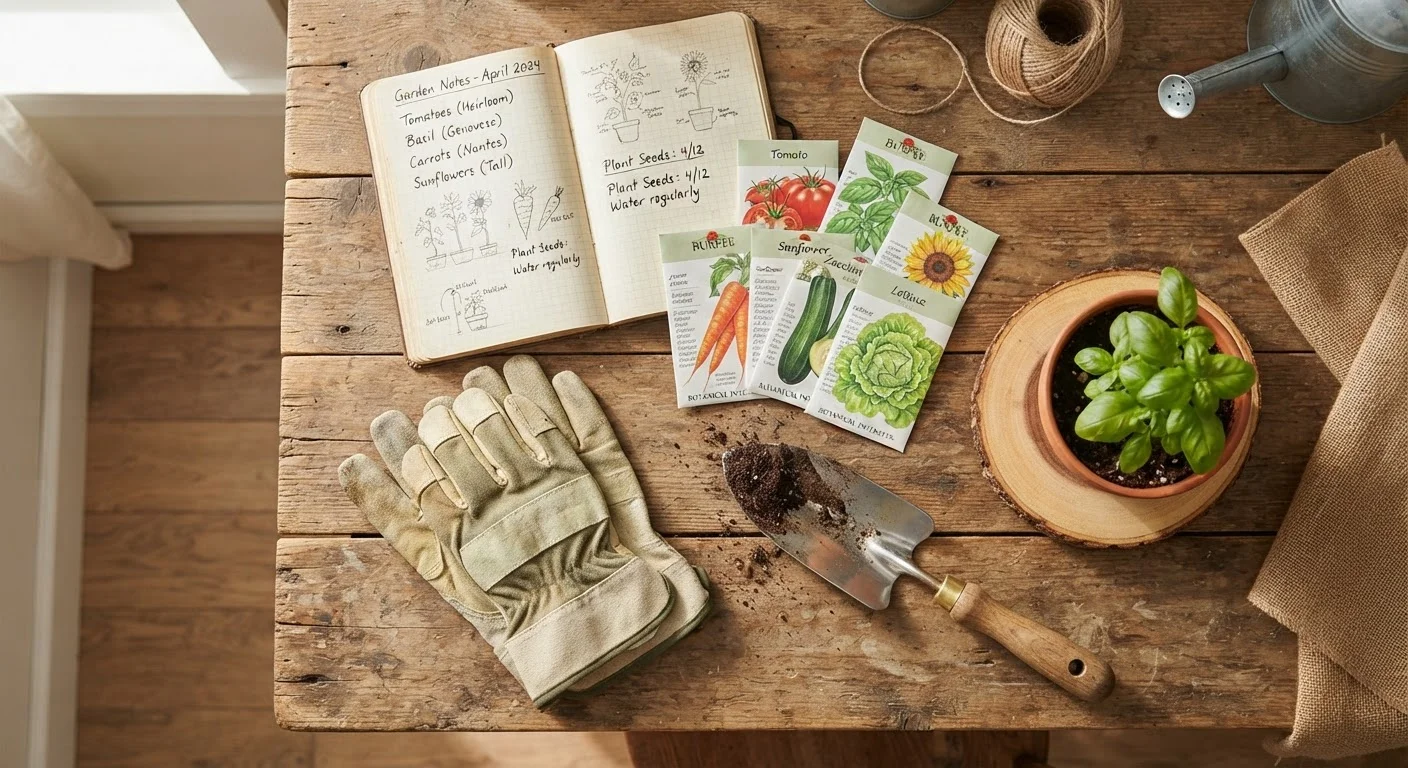
Photo: FaqsDrive.com | Smart Way To Search editorial
—— In This Article
Why Gardening Vocabulary Matters
Pick up any seed catalog, plant tag, or gardening guide and you'll quickly run into terms like "determinate," "hardening off," or "direct sow." Without a working vocabulary, even simple instructions can feel cryptic. This glossary covers 40 of the most common terms beginners encounter in their first season — organized so you can find what you need fast and return to it all year long.
For a practical walkthrough of putting these concepts to work, see Your First Garden, From Bare Dirt to Thriving Beds. To understand how light conditions affect your plant choices, Understanding Sunlight: How to Read Your Yard Before You Plant Anything is an essential companion.
Hardiness Zone
A geographic designation — published by the USDA — that indicates the average annual minimum winter temperature in a region. Zones help gardeners choose plants most likely to survive local winters. Look up your zone on the USDA Plant Hardiness Zone Map using your zip code.
Annual
A plant that completes its entire life cycle — germination, growth, flowering, seed production, and death — within one growing season. Examples include marigolds, basil, and zucchini. You replant annuals each year.
Perennial
A plant that lives for more than two years, dying back to its roots over winter and re-emerging in spring. Coneflowers and hostas are common examples. Perennials typically cost more upfront but return year after year.
Biennial
A plant with a two-year life cycle: it grows foliage in year one, then flowers and sets seed in year two before dying. Foxglove and parsley are biennials. Many gardeners treat them as annuals.
Direct Sow
Planting seeds directly into garden soil rather than starting them indoors first. Crops like carrots, beans, and sunflowers prefer direct sowing because they don't transplant well.
Transplant
Moving a seedling — started indoors or purchased from a nursery — into its permanent outdoor spot. The term also refers to the seedling itself. Tomatoes and peppers are typically started indoors and transplanted outdoors after frost danger passes.
Hardening Off
The process of gradually acclimating indoor-grown seedlings to outdoor conditions before transplanting. Set plants outside for increasing amounts of time over 7–10 days to prevent transplant shock.
Frost Date
The average date of the last spring frost (or first fall frost) in your area. Frost dates guide when to safely start planting outdoors and when to wrap up the season. Local cooperative extension services publish these dates by zip code.
Deadheading
Removing spent (faded or dead) flowers from a plant. Deadheading redirects the plant's energy from seed production into more blooms, extending the flowering season.
Mulch
Any material layered on top of soil to retain moisture, suppress weeds, and regulate soil temperature. Common mulches include shredded bark, straw, and wood chips. A 2–3 inch layer is typical.
Tilth
The physical condition of soil as it relates to planting. Good tilth means the soil is loose, crumbly, well-aerated, and easy for roots to penetrate. Poor tilth — compacted or clumpy soil — limits plant growth.
Succession Planting
Staggering plantings of the same crop every 1–3 weeks so you harvest continuously instead of all at once. Commonly used with lettuce, radishes, and green beans.
Quick-Reference Facts for New Gardeners
These at-a-glance figures give new gardeners a practical baseline before they dig in. Keep them in mind as you interpret plant tags, seed packets, and planting charts throughout the season.
| USDA Hardiness Zones in the U.S. | 13 zones (1a through 13b) (USDA Plant Hardiness Zone Map) |
| Typical hardening-off period | 7–10 days (General horticultural guidance) |
| Recommended mulch depth | 2–3 inches (University extension recommendations) |
| Average soil pH for most vegetables | 6.0–7.0 (slightly acidic to neutral) (General soil science consensus) |
| Germination temperature range (most vegetables) | 60°F–85°F (General seed biology) |
| Common succession planting interval | Every 2–3 weeks (General horticultural guidance) |
When you're ready to plan the full calendar, Keeping a Garden Through the Seasons shows how these numbers play out month by month. And before the season starts, review Spring Garden Prep for a pre-planting checklist.
Plant Tags Use This Vocabulary Too
The terms in this glossary appear not only in books and guides but directly on nursery plant tags and seed packets. Phrases like "full sun," "days to maturity," and "sow after last frost" are standard label language. Reading tags carefully before you buy or plant is one of the most effective habits a new gardener can develop. Local cooperative extension offices also publish free planting guides tailored to your specific region.

Home & Garden Editorial Team
Home & Garden Editorial Team is the collective byline for our editorial team and contributor network. Articles published under this byline or an editorial pen name are researched, written, and reviewed according to our editorial standards for clarity, consistency, and independence before publication.
View author profile