
Seeds vs. Transplants: Which Starting Method Makes Sense for You?
Starting from seed and buying transplants each have distinct tradeoffs in cost, timing, and effort. Here's how to choose for your situation.
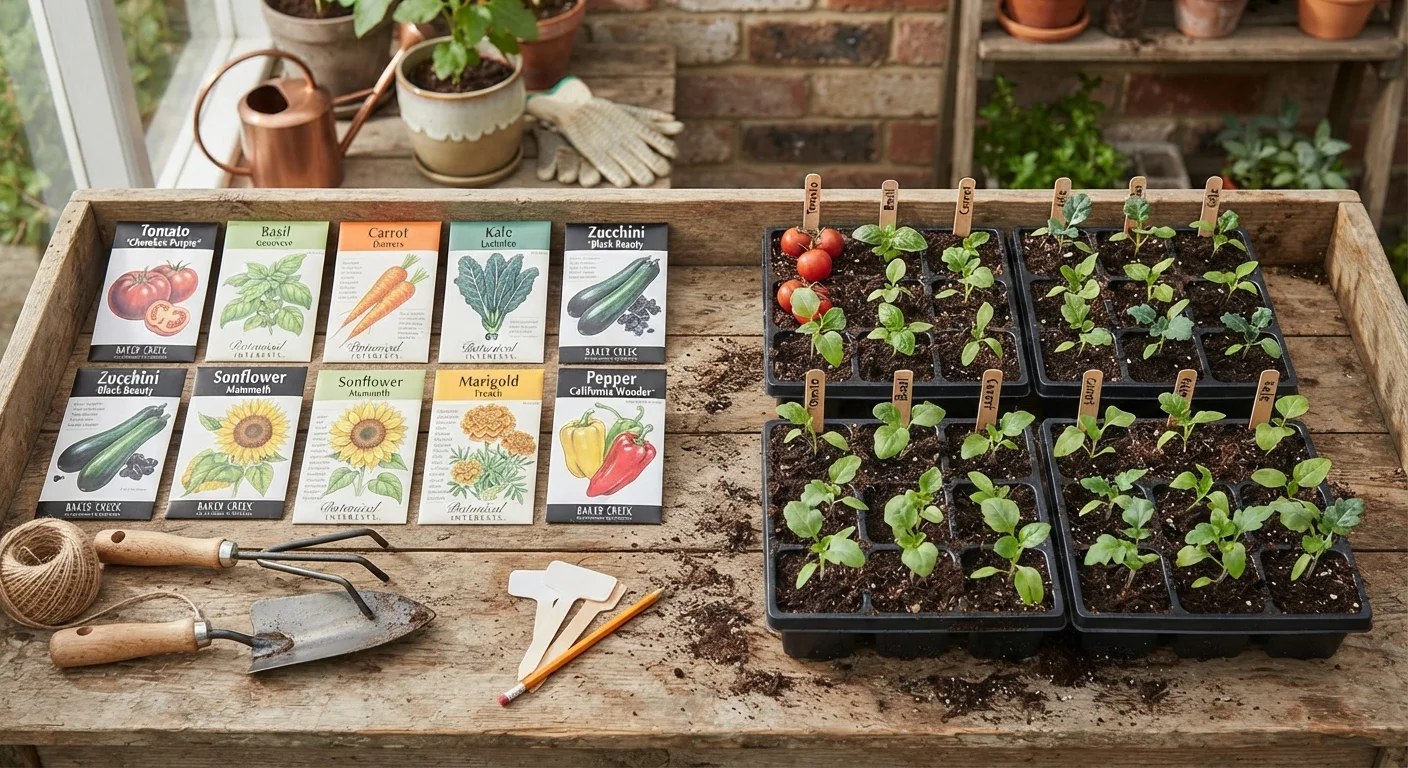
Photo: FaqsDrive.com | Smart Way To Search editorial
—— In This Article
Key Takeaways
- Starting from seed costs less upfront but requires more time, space, and attention indoors before planting.
- Transplants are more forgiving for beginners and give crops a significant head start on the growing season.
- Some vegetables — like carrots, beans, and beets — perform better when direct-seeded rather than transplanted.
- Your local climate and frost dates play a major role in which method makes the most sense.
- Many experienced gardeners use both methods strategically depending on the crop.
What's the Real Difference?
When you start from seed, you're germinating a plant yourself — either indoors weeks before the last frost or directly in the garden bed. When you buy transplants (also called starts or seedlings), you're purchasing a young plant that a nursery has already germinated and raised for several weeks.
The choice affects cost, timing, variety selection, and how much hands-on care you'll need to provide before anything goes into the ground. If you're building your first garden from scratch, see our complete beginner's guide to starting a garden for broader context on setting up your space.
| Seeds | Transplants | |
|---|---|---|
| Upfront cost | Low (pennies per plant) | Higher ($3–$6+ per plant) |
| Variety selection | Very wide, including heirlooms | Limited to nursery stock |
| Time to planting outdoors | Weeks of indoor care required | Ready to plant after hardening off |
| Equipment needed | Lights, trays, seed-starting mix | Minimal — pot and soil |
| Risk for beginners | Higher — more can go wrong early | Lower — established root system |
| Best crops | Root veg, beans, squash | Tomatoes, peppers, brassicas |
The Case for Starting from Seed
Seeds offer the widest possible variety selection. Nurseries typically carry only a handful of popular transplant varieties, while seed catalogs offer dozens of options for a single crop — including heirloom and disease-resistant varieties you won't find as starts.
Cost is the other major advantage. A packet of seeds often costs less than a single transplant and may contain 50 or more seeds. For gardeners growing in volume, that math adds up quickly.
There are also crops that prefer to be direct-seeded because they develop taproots that don't tolerate transplanting well. Carrots, beets, parsnips, radishes, and most beans fall into this category — sow these directly in the garden.
Label Everything When Starting Seeds
Seedlings of different crops can look nearly identical in the early weeks. Use waterproof labels or popsicle sticks with the crop name and date sown in each tray. This small habit prevents a lot of confusion — and wasted effort — as your seedlings grow.
The tradeoff is time and infrastructure. Crops like tomatoes, peppers, and eggplant need to be started indoors 6–10 weeks before your last frost date. That requires a warm space, grow lights or a very sunny window, seed-starting mix, and consistent attention to watering. If any of those seedlings struggle, check our guide on why seedlings die before getting established.
The Case for Buying Transplants
Transplants remove the most technically demanding phase of gardening — germination and early seedling care. You skip straight to planting a plant that's already established, has its first true leaves, and is ready for outdoor conditions after a brief hardening-off period (a gradual introduction to outdoor temperatures and sunlight over 7–10 days).
For beginners, this dramatically reduces the number of things that can go wrong before your first harvest. Transplants also give slow-growing crops a significant head start, which matters most in regions with short growing seasons — a 6-week-old tomato plant in the ground by late May can produce fruit weeks earlier than one started from seed at the same time.
The downsides are cost and limited variety. Buying transplants for a large garden can become expensive, and you're largely limited to whatever varieties your local nursery stocks. For forgiving crops that work well as transplants, our article on vegetables that reward beginner gardeners can help you decide what to plant first.
How to Decide for Your Garden
A practical approach is to match the method to the crop rather than committing entirely to one or the other.
- Start from seed: Root vegetables (carrots, beets, radishes), beans, peas, squash, cucumbers, and sunflowers. These are inexpensive, germinate quickly, and either prefer direct sowing or transplant so easily that buying starts isn't worth the extra cost.
- Buy as transplants: Tomatoes, peppers, eggplant, broccoli, cauliflower, and celery. These have long growing seasons and are difficult to start well without proper equipment and experience.
- Either works well: Lettuce, kale, basil, and most herbs. Start them from seed if you want variety choice and savings; buy transplants if you want convenience.
Your frost dates matter enormously here. In northern climates with short summers, transplants give frost-sensitive crops the head start they need to produce before fall. In warm southern climates, the urgency is reduced. Before the season begins, review our spring garden prep checklist to make sure your timing and bed preparation are ready for whichever method you choose.

Home & Garden Editorial Team
Home & Garden Editorial Team is the collective byline for our editorial team and contributor network. Articles published under this byline or an editorial pen name are researched, written, and reviewed according to our editorial standards for clarity, consistency, and independence before publication.
View author profile