
Companion Planting: The Science and Folklore Behind Growing Plants Together
Companion planting has a long history but mixed evidence. Explore what research supports, what's anecdotal, and how to experiment safely.
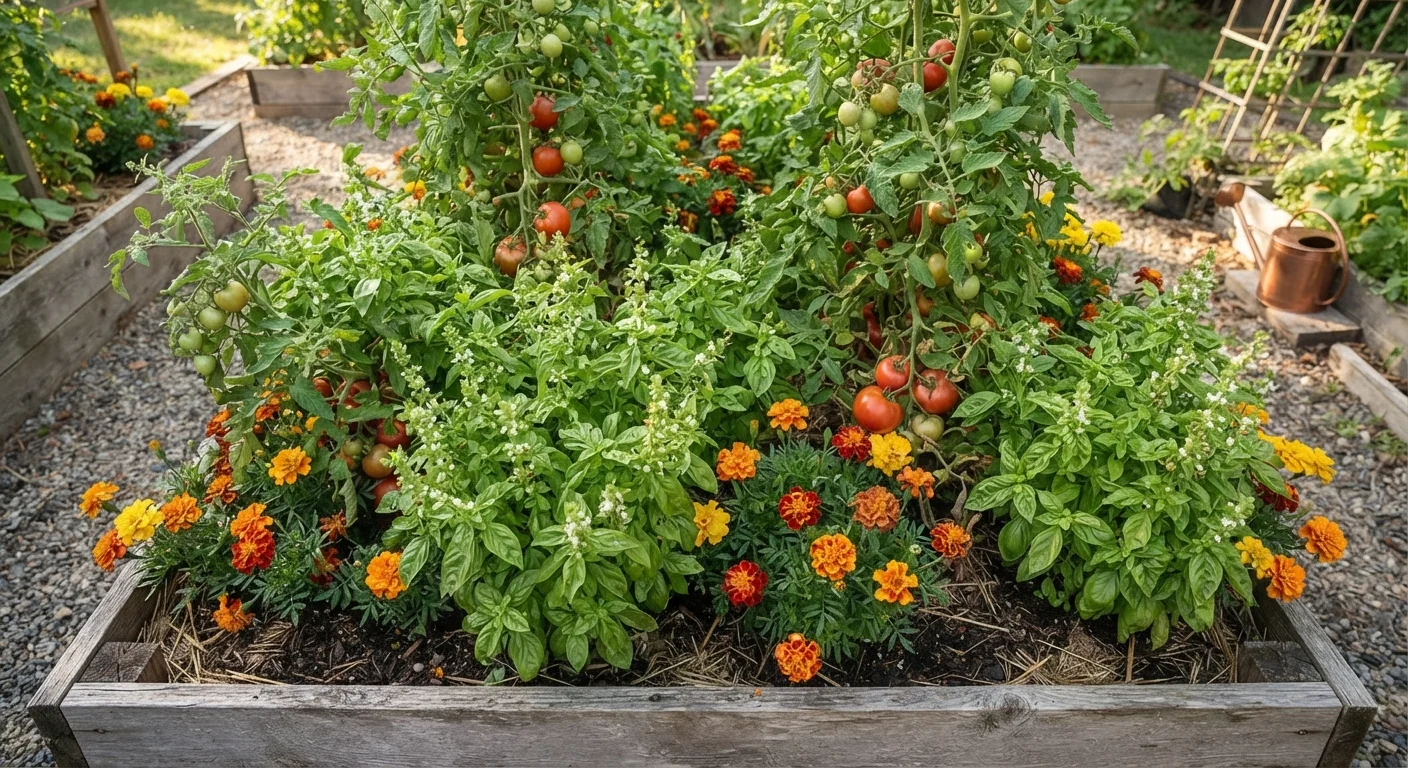
Photo: FaqsDrive.com | Smart Way To Search editorial
—— In This Article
Key Takeaways
- Some companion planting combinations have genuine research support; many others are based on tradition and anecdote.
- The Three Sisters planting system (corn, beans, squash) is one of the best-documented examples of companion planting working in practice.
- Marigolds have credible evidence for suppressing certain soil nematodes, though not all pest problems.
- Experimenting methodically — planting with and without companions — helps you discover what actually works in your garden.
- Companion planting works best as one tool among many, not a replacement for good soil, watering, and spacing practices.
A Practice With Deep Roots
Companion planting is one of the oldest ideas in agriculture. Indigenous farmers across North America were growing the Three Sisters — corn, beans, and squash — together centuries before modern horticulture gave the practice a scientific framework. European cottage gardeners mixed herbs and flowers among vegetables partly for pest deterrence, partly for tradition, and partly because it simply seemed to work.
Today, companion planting sits at an interesting crossroads: some combinations are backed by credible research, while many popular pairings circulate mainly through gardening lore. For a beginner building a garden from bare dirt to thriving beds, understanding the difference matters — so you can make informed choices rather than follow advice on faith alone.
Science and Tradition Can Coexist
Just because a companion planting claim lacks rigorous clinical trials doesn't automatically mean it's wrong — it may simply mean it hasn't been studied yet. Traditional agricultural knowledge often reflects generations of careful observation. The goal isn't to dismiss folklore, but to hold it lightly and test it where you can.
What the Research Actually Supports
The most solid evidence for companion planting involves a few specific mechanisms:
- Nitrogen fixation: Legumes — beans, peas, and clover — host bacteria in their root nodules that convert atmospheric nitrogen into a form plants can use. Growing legumes alongside or before heavy-feeding crops like corn or squash can genuinely improve soil fertility over time.
- Nematode suppression: French marigolds (Tagetes patula) have been shown in multiple studies to suppress certain root-knot nematodes (microscopic soil pests) when planted densely and allowed to decompose into the soil. This is not a quick fix — it tends to show results over a full growing season or longer.
- Pollinator attraction: Flowering companions like borage, phacelia, or sweet alyssum attract beneficial insects including predatory wasps and bees. More pollinators generally means better fruit set in crops like squash, cucumbers, and tomatoes.
These mechanisms are measurable and repeatable. They don't guarantee dramatic results in every garden, but they provide a reasonable foundation for companion choices.
~80%
Nitrogen fixed by legume root bacteria
Research in soil science estimates that leguminous plants can meet up to 80% of their own nitrogen needs through biological fixation, with surplus benefiting surrounding plants over time.
10+ weeks
Minimum for marigold nematode suppression
Studies on French marigolds suggest dense planting for at least 10 weeks is typically needed before meaningful reduction in soil nematode populations is observed.
What Is Mostly Folklore
Many popular companion planting claims are harder to verify. The idea that basil dramatically improves tomato flavor when grown nearby, for instance, makes for a charming story but lacks controlled experimental backing. Similarly, claims that certain herbs confuse or repel flying insects often rely on garden-scale observations rather than rigorous trials.
That doesn't mean these pairings are useless — it means their benefits may be subtle, variable, or dependent on local conditions. The honest position is: we don't have strong evidence either way for many combinations. This is worth keeping in mind if you've ever felt confused reading contradictory gardening advice. For a deeper look at how garden myths spread, see our article on common garden myths that lead new growers astray.
Plants That May Compete or Inhibit
Not all plant relationships are neutral or beneficial. Some plants release chemical compounds into the soil or air that can suppress the growth of neighboring plants — a process called allelopathy. Fennel is the most commonly cited example; it produces compounds that many vegetables and herbs find inhibiting, and it's generally recommended to give fennel its own isolated spot.
Black walnut trees are another well-documented case — they release juglone, a compound that is toxic to many garden plants including tomatoes, peppers, and blueberries. This is worth knowing before planning garden beds near established trees. The choice of garden layout — raised beds versus in-ground planting — can also affect how you manage spacing between potentially competitive plants; our article on raised beds vs. in-ground planting walks through the key tradeoffs.
Keep Fennel Away from Vegetable Beds
Fennel is one of the few plants with well-documented inhibitory effects on common vegetables including tomatoes, peppers, and beans. If you enjoy growing fennel, give it its own dedicated container or a separate corner of the yard — away from anything you're hoping to harvest.
How to Experiment Methodically
The most useful thing a beginning gardener can do is treat companion planting as an ongoing experiment rather than a fixed system. Here's a practical approach:
- Choose one or two pairings with at least some research support — the Three Sisters, marigolds near tomatoes, or beans alongside corn are reasonable starting points.
- Create a simple comparison. Plant one bed or row with the companion and one without. Keep other variables — soil, water, sunlight — as consistent as possible.
- Keep a journal. Note planting dates, what you observe about pests, plant health, and yield. Even rough notes build up into useful patterns over one or two seasons.
- Be patient with results. Some effects, like soil improvement from legumes, take more than one season to become apparent.
Companion planting works best as one layer of a well-rounded garden plan. Good soil preparation, appropriate watering, and correct plant spacing will always matter more than any pairing strategy. Before planting season begins, a solid spring garden prep checklist helps ensure the fundamentals are in place first.
Frequently Asked Questions

Home & Garden Editorial Team
Home & Garden Editorial Team is the collective byline for our editorial team and contributor network. Articles published under this byline or an editorial pen name are researched, written, and reviewed according to our editorial standards for clarity, consistency, and independence before publication.
View author profile