
Night Driving Habits That Reduce Your Risk
After-dark driving increases certain dangers. These evidence-based habits help you stay aware and react faster in low light.
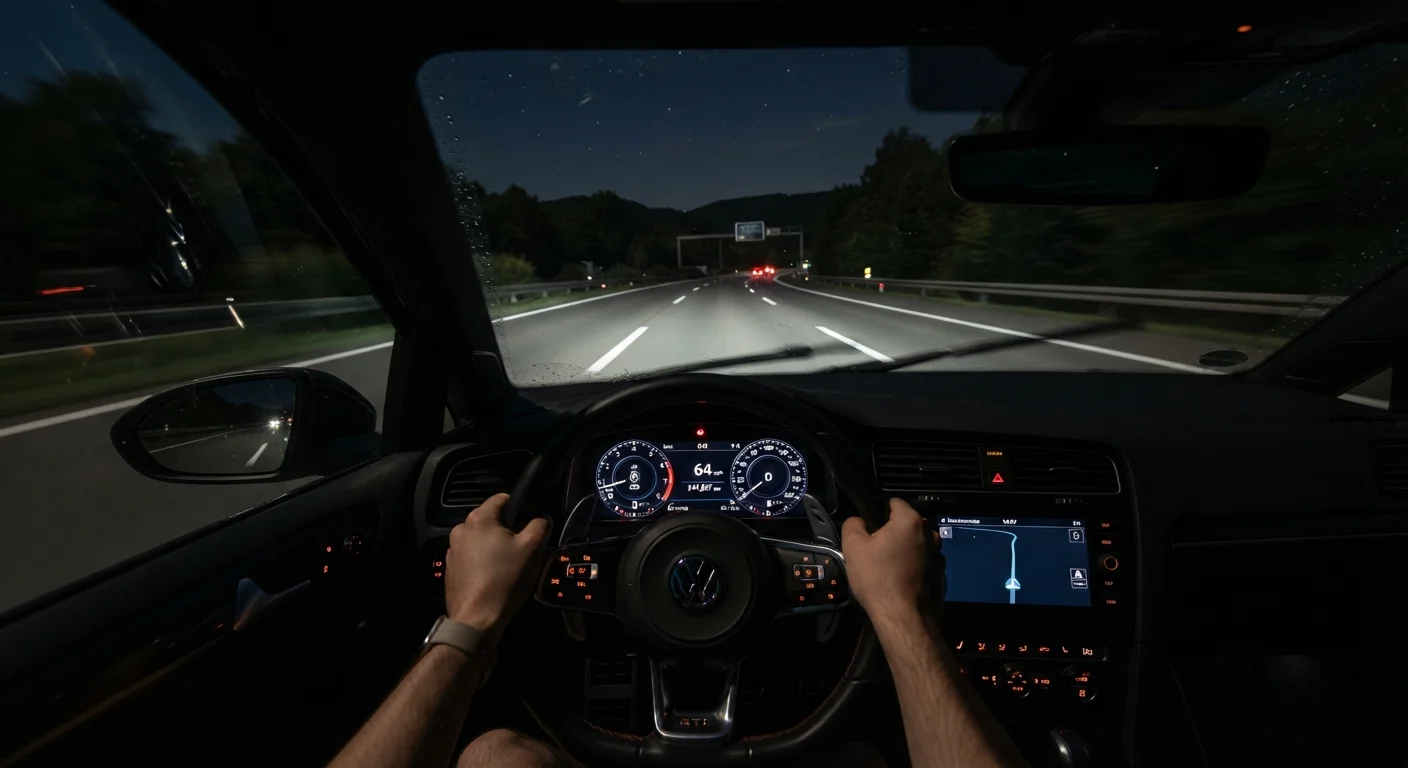
Photo: FaqsDrive.com | Smart Way To Search editorial
—— In This Article
Key Takeaways
- Night driving fatality rates are significantly higher than daytime, largely due to reduced visibility and impaired drivers on the road.
- Slowing down and increasing following distance are the two most impactful adjustments you can make after dark.
- Proper headlight use, eye positioning, and fatigue awareness together form a complete nighttime safety routine.
- Most night driving risks are manageable with deliberate, consistent habits rather than special equipment.
Why Night Driving Carries Higher Risk
Driving after dark is something most Americans do without much thought - a commute home, a late grocery run, a road trip that stretches past sunset. But nighttime conditions introduce a cluster of hazards that simply don't exist in daylight. According to data from the National Highway Traffic Safety Administration (NHTSA), traffic fatality rates per mile driven are roughly three times higher at night than during the day.
The reasons aren't mysterious. Human vision is built for daylight. After dark, depth perception degrades, peripheral vision narrows, and color recognition becomes unreliable. Combine that with a higher proportion of impaired and fatigued drivers on the road at night, and the risk picture sharpens considerably.
The good news: the habits that reduce night driving risk are learnable and don't require special equipment. They require attention and consistency. This guide walks through the most impactful ones, grounded in how your eyes and vehicle actually behave in the dark. For related guidance on managing other low-visibility situations, see our article on driving in rain, snow, and fog.
Core Habits That Make the Biggest Difference
Improving your night driving safety doesn't mean overhauling everything at once. A handful of well-practiced habits account for the majority of risk reduction available to everyday drivers.
Reduce your speed to match your actual stopping distance in low light.
Standard headlights typically illuminate roughly 160-250 feet ahead, but at 60 mph your car travels about 265 feet in the time it takes to perceive a hazard and brake. Driving faster than your headlights 'cover' is called overdriving your headlights - a common and dangerous mistake. Slowing down closes that gap between what you can see and what you need to stop for.
Increase your following distance to at least four seconds after dark.
The standard two-second following distance assumes full daylight visibility and an alert driver. At night, both are compromised. A longer gap gives you more time to register brake lights and react before a rear-end collision. This is especially important on roads with no street lighting.
Use low-beam headlights correctly and switch to high beams only when appropriate.
High beams dramatically extend your visibility on dark, unlit stretches, but they blind oncoming drivers and create hazardous glare when misused. Dim to low beams within 500 feet of an oncoming vehicle and within 300 feet when following another car - these are common legal thresholds across U.S. states.
Look to the right edge of the road when oncoming headlights cause glare.
Staring directly into oncoming headlights triggers temporary blindness that can last several seconds after the vehicle passes. Shifting your gaze to the right lane marker keeps your eyes oriented to the road while avoiding the worst of the glare. This is a simple reflex that takes deliberate practice to build.
Watch actively for pedestrians, cyclists, and wildlife at intersections and roadsides.
Pedestrian fatalities are disproportionately concentrated in nighttime hours partly because dark clothing and poor lighting make people nearly invisible until they are very close. Intersections, crosswalks, and rural road edges deserve a deliberate visual scan - not just a glance - after dark.
Address fatigue before it takes hold rather than pushing through it.
Drowsiness slows reaction time, narrows attention, and can cause microsleeps - brief, involuntary lapses that last one to four seconds. At highway speed, a two-second microsleep means you travel the length of a basketball court with your eyes effectively closed. Recognizing early warning signs and pulling over is far safer than fighting through fatigue.
Night Driving and Vision Changes
Human eyes take 20-30 minutes to fully adapt to darkness after exposure to bright light. Even briefly glancing at a brightly lit phone screen or roadside sign can temporarily reduce your night vision. This is called dark adaptation loss, and it's one reason distraction is especially costly after dark.
Fatigue is one of the most underestimated night driving dangers. Learn to identify the warning signs early - our guide on driver fatigue warning signs explains what to watch for and when to stop.
Quick Adjustments You Can Make Tonight
Not every improvement requires a behavior overhaul. Several small, immediate changes carry outsized impact on your nighttime safety - and you can make them before your next drive.
Following distance is another adjustment worth making right away. Our article on why the two-second rule exists explains the physics behind safe gaps - and why the standard rule needs extending at night.
Distraction compounds every night driving risk. If you use a phone while driving, review what research says in our breakdown of hands-free vs. handheld phone use. The stakes after dark are higher.
Building a Consistent Nighttime Driving Mindset
Individual habits matter, but what separates consistently safe night drivers is a shift in overall mindset - the recognition that darkness changes the rules of the road and calls for deliberate adjustments every time, not just when conditions feel obviously dangerous.
“Nighttime driving deserves the same conscious preparation as driving in a storm. The hazards are real, they are predictable, and most of them respond directly to changes in driver behavior.”
— National Safety Council, U.S. nonprofit focused on eliminating preventable deaths and injuries
This kind of active awareness is at the core of what defensive driving actually means in practice. It's not about being overly cautious - it's about accurately reading the environment and adjusting before problems arise rather than reacting after them.
Night driving also amplifies blind spot risks. If you haven't thought carefully about how much your mirrors actually miss, our article on what your blind spots actually cover is a useful next step. After dark, the cost of a missed blind spot check is considerably higher.
This article is for general informational and educational purposes only. Always obey posted speed limits and applicable traffic laws in your state. If you have concerns about your vision or health as it relates to driving, consult a qualified healthcare or vision professional.

Automotive Basics Editorial Team
Automotive Basics Editorial Team is the collective byline for our editorial team and contributor network. Articles published under this byline or an editorial pen name are researched, written, and reviewed according to our editorial standards for clarity, consistency, and independence before publication.
View author profile