
Hands-Free vs. Handheld Phone Use While Driving
Both phone options carry distraction risks behind the wheel. Here's what research says about how each affects driver attention.
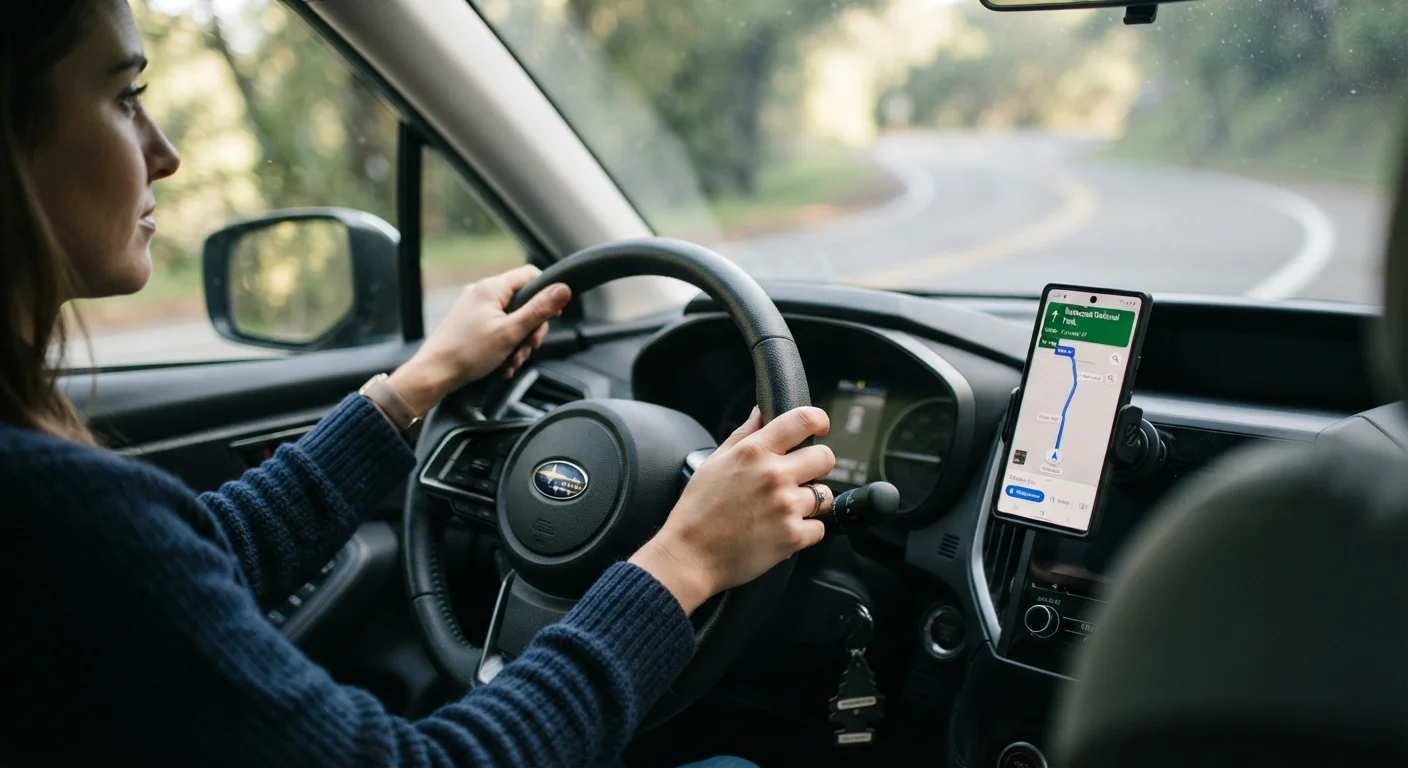
Photo: FaqsDrive.com | Smart Way To Search editorial
—— In This Article
Key Takeaways
- Handheld phone use while driving is illegal in most U.S. states and significantly increases crash risk.
- Hands-free options reduce physical distraction but do not eliminate cognitive distraction.
- Research suggests that conversation itself - not just holding a phone - diverts driver attention.
- Texting or reading messages is among the most dangerous in-car distractions regardless of method.
- The safest habit is silencing your phone or placing it out of reach before driving.
Why Phone Use Behind the Wheel Is a Safety Issue
Distracted driving is one of the leading contributors to crashes on American roads. The National Highway Traffic Safety Administration (NHTSA) consistently identifies phone use as a major source of driver distraction - a category that encompasses three overlapping types: visual (eyes off the road), manual (hands off the wheel), and cognitive (mind off the task of driving).
Handheld phone use triggers all three simultaneously. Hands-free use eliminates the first two but leaves the third firmly in play. That distinction shapes both the law and the research - and it's the core reason this comparison matters to everyday drivers.
Just as driver fatigue impairs judgment without drivers always recognizing it, cognitive distraction from phone conversations can degrade driving performance in ways that feel invisible in the moment.
Handheld Phone Use: The Risks and the Law
Holding a phone to your ear - or looking at a screen to dial, text, or scroll - removes a hand from the wheel, pulls your eyes off the road, and occupies your attention. Research published by the AAA Foundation for Traffic Safety and others has found that reaction times during handheld phone use are meaningfully slower compared to undistracted driving.
Texting is particularly dangerous. Reading or composing a text takes a driver's eyes off the road for an average of five seconds - enough time to travel the length of a football field at highway speeds, according to NHTSA estimates.
Legally, handheld use is restricted or banned while driving in the majority of U.S. states, with penalties ranging from fines to points on a license. Laws vary by state, so drivers should check their local regulations.
| Criterion | Hands-Free | Handheld |
|---|---|---|
| Legal status (most U.S. states) | Permitted for adults | Banned or restricted |
| Visual distraction | Low (eyes stay forward) | High (screen viewing required) |
| Manual distraction | None (hands on wheel) | High (one hand off wheel) |
| Cognitive distraction | Moderate (conversation load) | High (compound distraction) |
| Texting/messaging | Voice-to-text carries risk | Extremely high risk |
| Crash risk vs. undistracted driving | Elevated | Significantly elevated |
Hands-Free Phone Use: Safer, But Not Risk-Free
Hands-free options - including Bluetooth earpieces, speakerphone, and built-in vehicle infotainment systems - keep both hands available and eyes forward. This satisfies the legal standard in most U.S. states and removes the manual and visual distraction of holding a device.
However, research from the AAA Foundation and university traffic safety programs consistently shows that phone conversations themselves create measurable cognitive load. Drivers engaged in hands-free calls have been observed to miss traffic signals, react more slowly to hazards, and narrow their visual scanning - a phenomenon sometimes called "inattention blindness."
Voice-activated text dictation carries similar risks. Even when drivers don't look at the screen, composing a spoken message while monitoring traffic divides mental resources in ways that can impair performance.
~5 sec
Average eyes-off-road time when texting
NHTSA estimates that at 55 mph, five seconds of inattention covers the length of a football field.
4x
Increased crash risk with handheld phone use
Research cited by NHTSA suggests handheld phone use while driving increases crash risk approximately four times compared to undistracted driving.
For nighttime driving - where reaction time and hazard detection are already under pressure - the added cognitive load of any phone conversation deserves extra caution. See our guide to night driving habits for additional awareness strategies.
Practical Habits That Actually Reduce Your Risk
Understanding the difference between these two options is useful - but the most impactful step is building habits that reduce phone-related distraction before you put the car in drive.
- Silence notifications before leaving: Use Do Not Disturb While Driving mode, available on most smartphones, to suppress alerts automatically.
- Set up auto-reply: Many phones can send an automatic text letting contacts know you're driving and will respond later.
- Position your phone out of reach: A phone in your pocket or bag is harder to reflexively grab than one sitting on the passenger seat.
- Pull over for complex calls: If a conversation requires focus - emotional topics, detailed decisions - find a safe place to stop.
- Use hands-free for navigation: Mounting your phone for GPS before driving and letting voice guidance do the work is a safer alternative to repeatedly glancing at directions.
No single habit eliminates risk, but combining several of these reduces both the temptation and the opportunity for distraction to take hold.
State Laws Vary - Know Yours
Hands-free laws, handheld bans, and penalties differ from state to state and are updated regularly. Some states have stricter rules for teen drivers or in school zones. Check your state's Department of Motor Vehicles or transportation agency website for current regulations before assuming what's permitted where you drive.

Automotive Basics Editorial Team
Automotive Basics Editorial Team is the collective byline for our editorial team and contributor network. Articles published under this byline or an editorial pen name are researched, written, and reviewed according to our editorial standards for clarity, consistency, and independence before publication.
View author profile