
Before You Bring a Bird Home: A First-Time Owner's Preparation Checklist
Cage, diet, vet access, and more — use this checklist to make sure your home is genuinely ready before your new bird arrives.
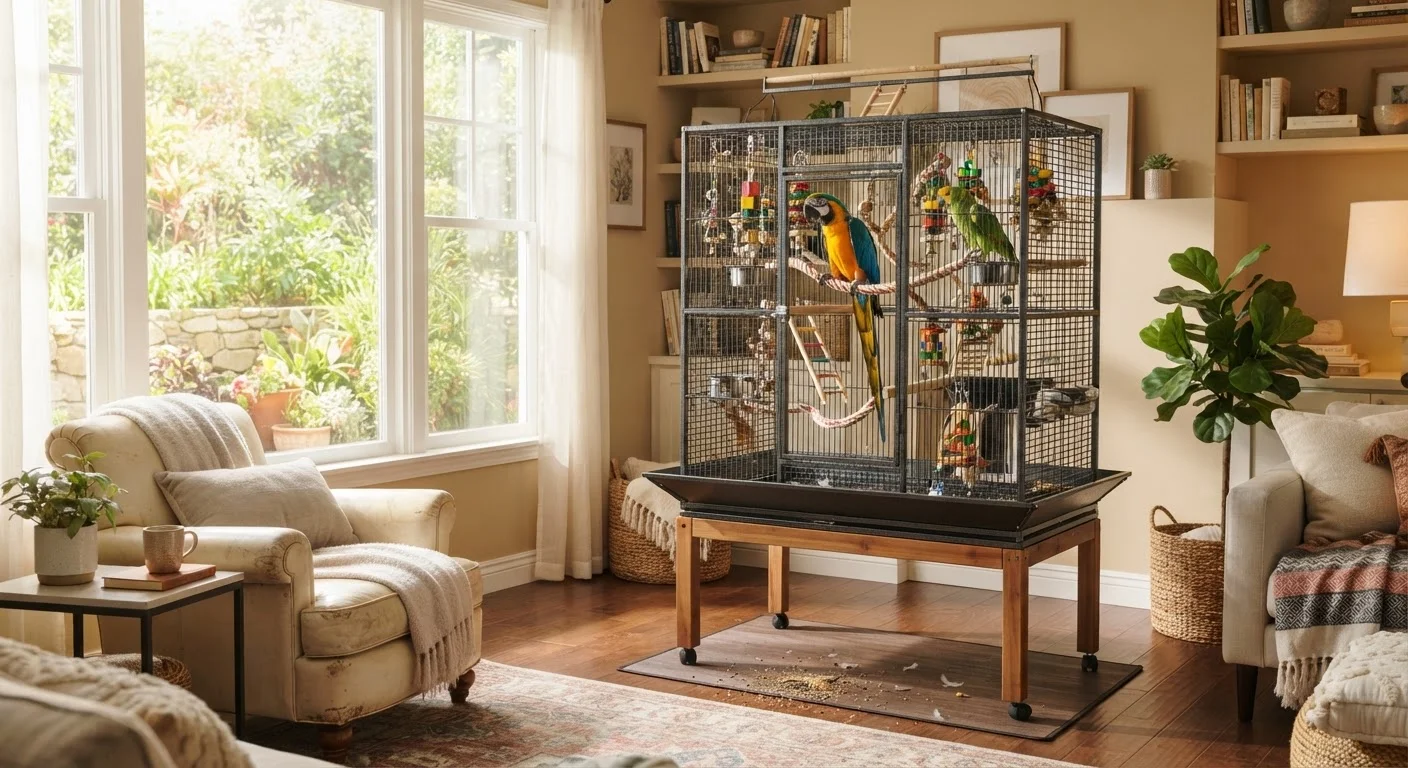
Photo: FaqsDrive.com | Smart Way To Search editorial
—— In This Article
Key Takeaways
- Birds need species-appropriate cages, diet, and enrichment before they arrive — not after.
- Finding an avian vet before day one is one of the most important steps new bird owners can take.
- Many common household products, including certain cookware and candles, can be toxic to birds.
- The quiet adjustment period after arrival is critical for your bird's stress levels and long-term trust.
- Choosing the right species for your lifestyle matters just as much as having the right supplies.
Why Preparation Matters More for Birds Than You Might Expect
Birds are sensitive, intelligent animals whose needs are often underestimated by first-time owners. Unlike dogs or cats, most pet birds are still only a few generations removed from the wild, which means their instincts, stress responses, and environmental needs are more specialized than many people expect. Arriving home to an unprepared environment can set a new bird back weeks in terms of trust and adjustment.
If you haven't yet decided which species suits your home, start there first. Our guide to matching pet bird species to your lifestyle breaks down noise levels, social needs, and lifespans across the most popular beginner birds.
Once your species is chosen, use this checklist to work through every major preparation category — housing, nutrition, safety, veterinary access, and your bird's first days home. Work through it before pickup day, not after.
Appropriately Sized Bird Cage
Provides your bird's primary living space — size and bar spacing must match your specific species.
Varied Perches (Natural Wood Preferred)
Different diameters and textures promote foot health and reduce pressure sores.
Species-Appropriate Pelleted Food
Forms the nutritional base of your bird's diet, more balanced than seeds alone.
Stainless Steel Food and Water Dishes
Easy to clean thoroughly and free from coatings or plastics that can harbor bacteria.
Bird-Safe Enrichment Toys
Provides mental stimulation and prevents boredom-related behaviors like feather plucking.
Travel Carrier
Required for safe transport to vet visits and useful in household emergencies.
Digital Thermometer/Hygrometer
Helps monitor temperature and humidity near the cage, especially important for tropical species.
Full-Spectrum Bird Lamp
Supplements natural light in low-window rooms and supports vitamin D synthesis in some species.
Housing and Environment Setup
Your bird's cage is its home base. Getting it right before your bird arrives removes a major source of stress for both of you on day one.
Cage and Housing
Nutrition and Feeding
Home Safety
Veterinary Readiness
Once your bird is home, placement matters as much as the cage itself. Birds are highly sensitive to temperature swings, drafts, and fumes — factors that are easy to overlook in rooms that seem perfectly comfortable to humans.
Non-Stick Cookware Is a Serious Risk
Polytetrafluoroethylene (PTFE), found in most non-stick cookware coatings, releases odorless fumes when overheated that are rapidly fatal to birds. Even normal cooking temperatures can be dangerous if the pan is left unattended. Many experienced bird owners replace non-stick cookware entirely and use stainless steel or cast iron alternatives throughout their home.
Don't Skip the Avian Vet Search
Standard small-animal vets may not have the training or equipment to treat birds properly. Searching for a vet after your bird shows signs of illness — often during off hours — is a stressful and sometimes dangerous delay. Identify your avian vet before pickup day and have their number saved and ready.
Veterinary Access and Health Basics
One of the most common mistakes new bird owners make is assuming they'll find an avian vet after something goes wrong. Birds are prey animals that instinctively hide signs of illness, which means visible symptoms often indicate a serious problem. Having a qualified vet identified — and ideally a wellness visit scheduled — before your bird arrives is essential.
Not every veterinary practice treats birds. Our article on finding a vet for a small or exotic pet walks you through how to locate an avian-experienced practice and what questions to ask before your first appointment.
This checklist is for general educational purposes only and is not a substitute for professional veterinary advice. Always consult a qualified avian veterinarian for guidance specific to your bird's health and species.
Your Bird's First Days Home
The first 72 hours after arrival shape how quickly your bird begins to feel secure. Resist the urge to handle your bird immediately or introduce it to every member of the household at once. A calm, low-stimulation environment is far more valuable right now than interaction.
Building trust is a gradual process. Once your bird has settled — typically after a few days of quiet observation — you can begin gentle engagement. Our article on teaching a pet bird to trust you outlines the patient, step-by-step approach that helps birds feel safe around people.
If you're also a dog or cat owner, the transition requires extra planning. The first-time dog owner checklist and first cat preparation guide both include tips on managing a multi-pet household that apply here too.

Pets & Animals Editorial Team
Pets & Animals Editorial Team is the collective byline for our editorial team and contributor network. Articles published under this byline or an editorial pen name are researched, written, and reviewed according to our editorial standards for clarity, consistency, and independence before publication.
View author profile