
Bringing a Dog Home for the First Time
Everything new dog owners need to know before and after their dog walks through the front door for the first time.
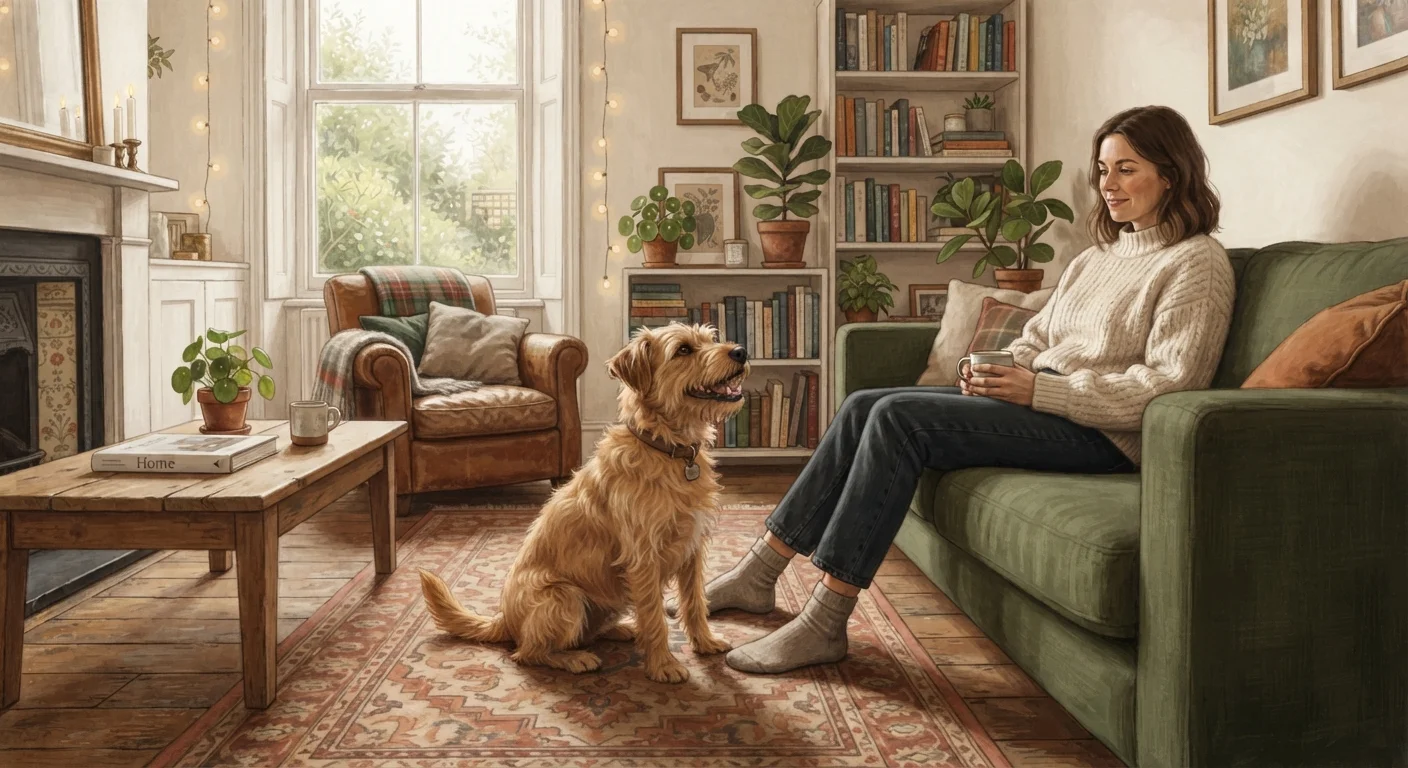
Photo: FaqsDrive.com | Smart Way To Search editorial
—— In This Article
Key Takeaways
- Gather all essential supplies — crate, collar, food, ID tag — before your dog comes home.
- Dog-proofing removes hazards that curious dogs find quickly and often dangerously.
- The first 24 hours should be calm and low-stimulation to help your dog decompress.
- Schedule a vet visit within the first week, even if your dog appears healthy.
- Consistent rules and gentle training from day one prevent bad habits from forming.
- Socialization during the early weeks shapes your dog's behavior for years to come.
Before Your Dog Arrives: What to Prepare
Getting your home ready before your dog walks through the door prevents scrambling on day one and signals to your dog — through a calm, organized environment — that this is a safe place. Start with the essentials: a collar with an ID tag engraved with your phone number, a standard 4–6 foot leash, stainless steel or ceramic food and water bowls, and a crate or bed sized for your dog's breed and weight.
Food requires some advance thought. If you know what your dog has been eating, purchase that same food and plan any transitions to new food gradually over 7–10 days to avoid stomach upset. For guidance on feeding decisions, see what new owners get wrong about feeding their dog.
Also line up a veterinarian before pickup. Many first-time owners overlook this and then scramble when an issue arises. Ask your shelter or breeder for any records, vaccination history, and microchip information to bring to the appointment.
Crate
A enclosed kennel or cage that serves as your dog's personal den — a safe, calm retreat where they can rest and decompress.
Positive reinforcement
A training method where desirable behaviors are rewarded with treats, praise, or play, making the dog more likely to repeat those behaviors.
Socialization
The process of exposing a young dog to a variety of people, animals, sounds, and environments so they grow up comfortable and confident in the world.
Decompression period
The time a newly adopted dog needs to adjust to their new home — typically days to weeks — during which calm, low-pressure interactions are most helpful.
Core vaccines
Vaccinations recommended for all dogs regardless of lifestyle, such as rabies and distemper, because of how serious or contagious those diseases are.
Microchip
A small chip implanted under a dog's skin that carries a unique ID number linked to your contact information, used to reunite lost dogs with their owners.
Dog-Proofing Your Home
Dogs explore with their noses and mouths, and a curious dog can find trouble fast. Before your dog arrives, walk through your home at their eye level — literally crouch down — and look for hazards you'd otherwise miss.
- Toxic plants: Many common houseplants, including pothos and sago palm, are toxic to dogs. Remove or place them out of reach.
- Loose cords and cables: Chewing electrical cords is a serious safety risk. Use cord organizers or covers.
- Unsecured trash cans: Dogs are drawn to smells; a lidded bin in the kitchen and bathroom prevents garbage ingestion.
- Medications and cleaning products: Store these in closed cabinets or high shelves — even child-resistant caps don't stop a determined dog.
- Small objects: Hair ties, coins, and children's toys can cause choking or intestinal blockages if swallowed.
Designate a specific area as your dog's space — somewhere they can retreat to that's theirs. This is where their crate or bed, water bowl, and a couple of toys live. Having a clear home base reduces anxiety during the adjustment period.
Don't give too much freedom too soon
Allowing a new dog access to the entire home immediately is one of the most common first-time owner mistakes. Unsupervised access to multiple rooms before your dog understands the rules leads to accidents, destructive behavior, and anxiety. Start with one or two rooms and expand access gradually as trust is established.
The First 24 Hours: Setting the Right Tone
The instinct when a new dog comes home is to introduce them to every family member, neighbor, and friend immediately. Resist this. The first 24 hours should be calm, quiet, and low-stimulation. Your dog is processing a complete change in environment, smells, sounds, and people — overstimulation leads to stress behaviors that can be misread as personality traits.
Walk your dog on leash into the home. Show them their designated space and let them sniff and explore at their own pace without being hovered over. Keep children calm and remind them to let the dog approach first. If you have other pets, keep them separated for the first day or two and introduce them slowly on neutral ground.
For the first night, place the crate or bed in your bedroom if possible — the sound of your breathing genuinely helps anxious dogs settle. Crate training done right explains how to make the crate a positive experience rather than a stressful one.
Use a 'calm arrival' strategy
When you first bring your dog inside, keep greetings low-key — no loud voices, sudden movements, or crowd of people. Sit quietly on the floor and let your dog approach you rather than the other way around. This small shift in approach builds trust faster than enthusiastic attention does.
Health, Feeding, and Vet Care From Day One
Schedule your first vet visit within the first week, even if your dog appears healthy and has prior records. A baseline exam helps establish your dog's normal vitals, identifies any issues not visible to an untrained eye, and starts your relationship with a veterinarian who will know your dog over time.
Vaccinations are particularly important for puppies. Puppy vaccinations: what to expect and when outlines core and non-core vaccines and typical timing. Adult dogs will need records reviewed and any gaps addressed.
Feed measured portions on a consistent schedule — typically twice daily for adult dogs — rather than leaving food out all day. Fresh water should always be available. Be aware that dog ownership carries costs beyond food and initial supplies; the hidden costs of owning a dog is worth reading before unexpected expenses catch you off guard.
This article provides general information for educational purposes only and is not a substitute for professional veterinary advice. Always consult a licensed veterinarian for guidance specific to your dog's health.
Training Foundations and Building Trust
Training isn't just about commands — it's how you and your dog learn to communicate. Start with simple, consistent rules from day one. Decide before your dog arrives whether they're allowed on furniture, where they'll sleep, and which rooms are off-limits. Everyone in the household needs to follow the same rules; mixed signals slow learning significantly.
Positive reinforcement — rewarding desired behaviors with treats, praise, or play — is widely supported by animal behaviorists as the most effective and humane training approach. Avoid punishment-based methods that use fear or pain; these erode trust and can worsen anxiety or aggression.
Socialization is another critical early priority, especially for puppies. The socialization window — roughly 3 to 14 weeks for puppies — shapes how a dog responds to people, animals, and environments for life. Learn why the socialization window matters more than you think and how to make the most of it.
As your dog settles in, you'll begin building routines that extend to grooming, exercise, and preventive care. For a broader view of what responsible dog ownership involves long-term, dog ownership: a complete guide is a helpful next step.
Dog Grooming at Home: Building a Routine That Sticks
Once your dog is settled, establishing a grooming routine is an important next step. This guide covers brushing, nail trimming, and how to make the process stress-free for both of you.
Signs Your Dog May Be in Pain
New owners often miss subtle signs that a dog is uncomfortable. This guide explains the behavioral and physical cues that warrant a veterinary evaluation.
Frequently Asked Questions

Pets & Animals Editorial Team
Pets & Animals Editorial Team is the collective byline for our editorial team and contributor network. Articles published under this byline or an editorial pen name are researched, written, and reviewed according to our editorial standards for clarity, consistency, and independence before publication.
View author profile