
Finding a Vet for a Small or Exotic Pet: What First-Time Owners Should Know
Not every vet treats rabbits, birds, or hamsters. Here's how to find a qualified exotic-animal vet and what to ask before your first visit.
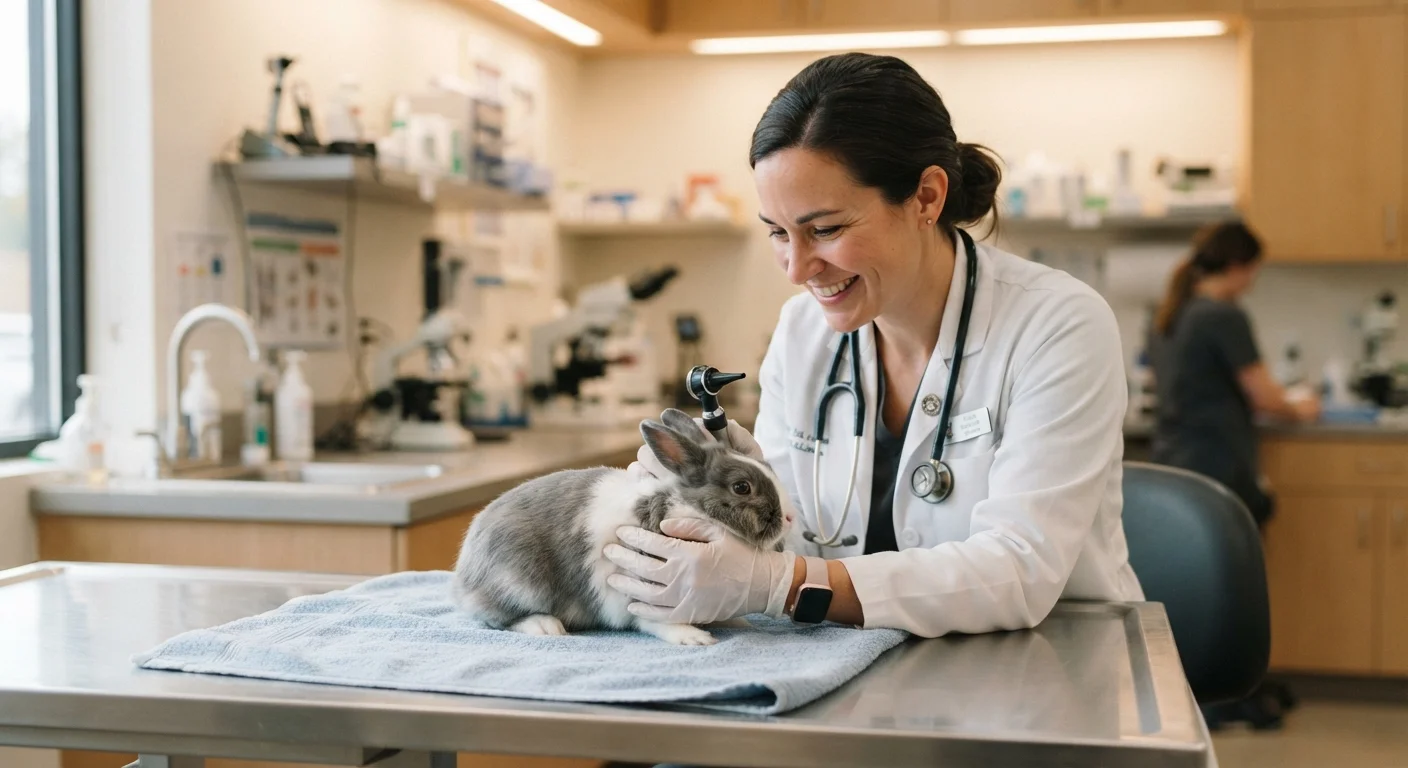
Photo: FaqsDrive.com | Smart Way To Search editorial
—— In This Article
Key Takeaways
- Not all veterinarians are trained to treat rabbits, birds, reptiles, or other exotic animals.
- Look for vets with exotic-animal experience or board certification in avian and exotic medicine.
- Schedule a wellness visit before any health problem arises to establish care early.
- Prepare a list of questions about diet, housing, and species-specific warning signs for your first visit.
- Emergency exotic-animal care can be harder to access, so know your nearest emergency option in advance.
Why Your Regular Vet May Not Be the Right Fit
Many first-time small or exotic pet owners assume any veterinary clinic will do. In reality, most general-practice vets are trained primarily in dogs and cats. Treating a rabbit, parrot, bearded dragon, or ferret requires a very different skill set — different anatomy, different medications, different diagnostic tools, and a much narrower margin for error when something goes wrong.
This isn't a criticism of general vets. It's simply a matter of specialization. A vet who isn't confident working with your species may struggle to recognize early illness, may not stock appropriate medications, or may not have the handling experience needed to safely examine a small or fragile animal.
If you're bringing home a bird, check out the first-time bird owner preparation checklist — it covers vet access as part of the full readiness picture.
Exotic Doesn't Always Mean Rare
In veterinary medicine, 'exotic' typically refers to any pet that isn't a dog or cat — including rabbits, guinea pigs, hamsters, birds, reptiles, and ferrets. These animals are common household pets, but they still require vets with species-specific knowledge. Don't assume a vet who treats dogs and cats will automatically have the training needed for your rabbit or parrot.
How to Find a Qualified Exotic-Animal Vet
Start your search by looking for veterinarians who specifically list exotic or small-mammal patients in their practice profile. Key credentials to look for include:
- Board-certified specialists: The American Board of Veterinary Practitioners (ABVP) offers certification in avian practice and exotic companion mammal practice. These vets have passed rigorous exams beyond general licensure.
- Association of Exotic Mammal Veterinarians (AEMV) or Association of Avian Veterinarians (AAV) membership: Membership in these professional groups indicates ongoing commitment to exotic-animal medicine.
- Stated experience with your species: Call ahead and ask directly whether the clinic regularly treats your type of pet.
Your local humane society, a reputable breeder, or an online community for your pet type can often point you to a vet with a strong track record in the area. Word of mouth from experienced owners is frequently the most reliable starting point.
Questions to Ask Before Your First Appointment
Once you've identified a candidate, a brief phone conversation can tell you a lot. Don't hesitate to ask:
- How many patients of my pet's species do you see each month?
- Do you have equipment for small-animal anesthesia and radiographs (X-rays)?
- What happens if my pet needs emergency care after hours?
- Do you perform routine wellness exams for this species, or only treat illness?
A vet who welcomes these questions and answers them confidently is a good sign. Hesitation or vague answers may signal limited hands-on experience with your species.
For rabbit owners, it's also worth reading about common rabbit care myths so you can better evaluate whether a vet's guidance aligns with current, evidence-based practice.
Making the Most of Your First Visit
Schedule a wellness exam as soon as possible after bringing your pet home — don't wait for signs of illness. Many exotic animals instinctively hide discomfort, meaning problems can be advanced by the time obvious symptoms appear. A baseline exam establishes what's normal for your individual animal and gives you a chance to ask species-specific questions about diet, habitat, and behavior.
Bring any records you have from the seller or previous owner, a sample of the food your pet is currently eating, and a list of questions. Ask your vet what signs of illness look like for your species — this varies widely. A lethargic rabbit or a bird sitting fluffed at the bottom of its cage, for example, are urgent warning signs that differ from what you'd watch for in a dog or cat.
Routine vet care looks different across pet types. For comparison, see how annual cat wellness visits are structured — it illustrates the kind of systematic checkup approach that translates well to exotic animals too.
Finally, locate the nearest emergency exotic-animal clinic before you need it. Emergency vets that treat exotic species are far less common than standard emergency clinics, and knowing your options in advance could be genuinely life-saving.

Pets & Animals Editorial Team
Pets & Animals Editorial Team is the collective byline for our editorial team and contributor network. Articles published under this byline or an editorial pen name are researched, written, and reviewed according to our editorial standards for clarity, consistency, and independence before publication.
View author profile