
Why Organizing Before Decluttering Makes the Problem Worse
Many people rearrange their clutter instead of removing it. Learn the most common home organization mistakes and how to sidestep them.
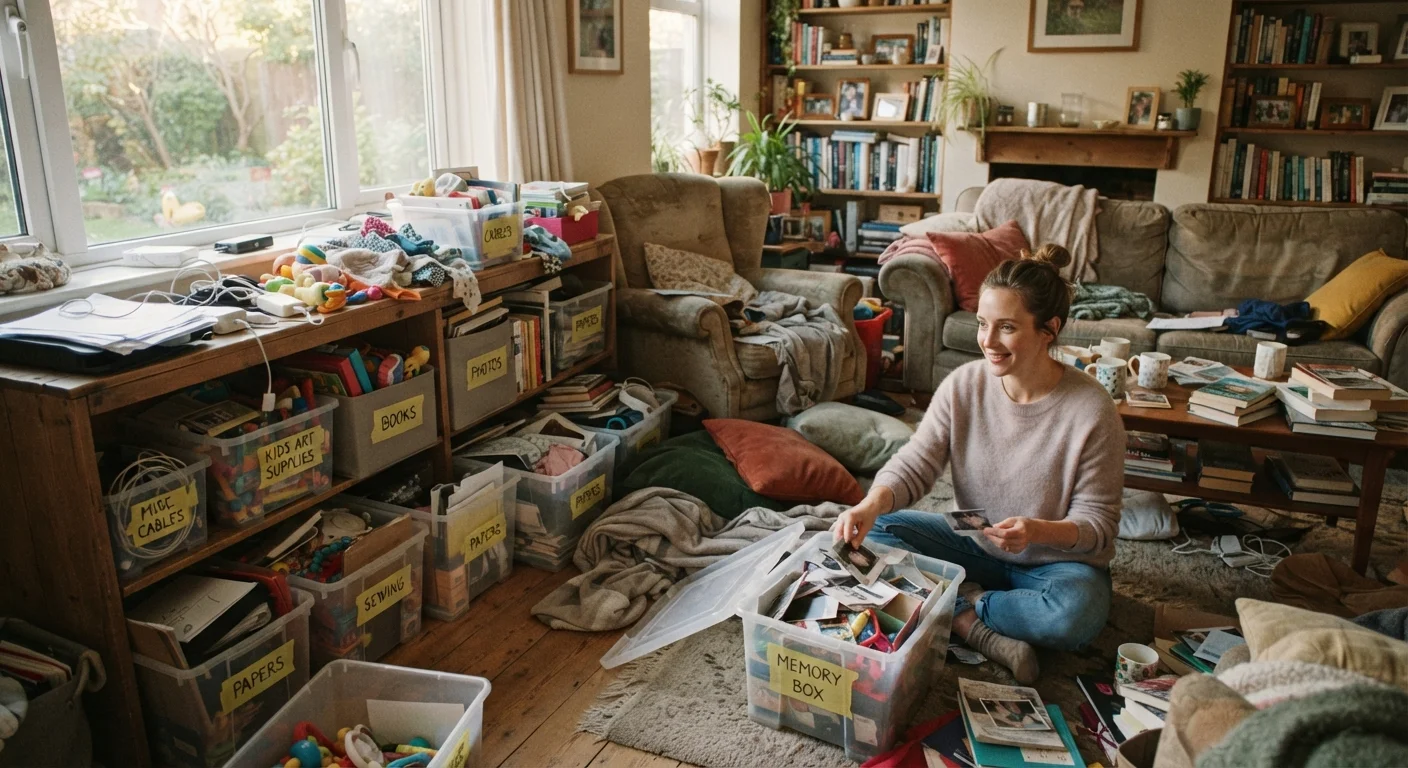
Photo: FaqsDrive.com | Smart Way To Search editorial
—— In This Article
Key Takeaways
- Organizing before decluttering means you're neatly storing things you don't actually need.
- Buying storage containers too early wastes money and can deepen the clutter problem.
- Decluttering room by room — not all at once — prevents burnout and produces lasting results.
- Sentimental items should be sorted last, not first, to build decision-making momentum.
- A maintenance habit is essential; organizing is not a one-time event.
The Core Problem: Organizing Clutter Is Still Clutter
Most people approach a messy home with the best intentions — they grab bins, label makers, and drawer dividers, and start sorting. The result looks tidier for a week or two, then collapses back into chaos. The reason is simple: you cannot organize your way out of too much stuff.
When you organize before you declutter, you're essentially giving every item — needed or not — a designated home. That's energy spent managing possessions you may not even want. The smarter sequence is to first decide what stays, then find a place for it. See the beginner's decluttering guide for a full walkthrough of that process.
The mistakes below are the most common ones homeowners make when trying to get organized — and each one stems from skipping or mishandling that critical first step.
Organizing before decluttering, which means carefully arranging items you should have removed.
Why it happens: Organizing feels productive and concrete — you can see the results immediately. Decluttering requires harder decisions, so many people skip straight to rearranging.
Buying storage containers before knowing what you're keeping.
Why it happens: Bins and baskets feel like the solution to clutter, and shopping for them is easier than making decisions about possessions.
Trying to organize the entire home in one session.
Why it happens: Motivation strikes hard at the start of a project, and many people underestimate how long decision-making takes when it's done properly.
Starting with sentimental items instead of everyday clutter.
Why it happens: Sentimental objects often feel urgent to address — especially after a move or a loss — but they require the most emotional energy to evaluate.
Creating an organization system that doesn't match how you actually behave.
Why it happens: People design ideal systems based on how they wish they operated, not how they realistically do — leading to systems that break down within days.
Skipping a maintenance plan after the initial organizing effort.
Why it happens: The effort of decluttering and organizing feels like completion, so it's easy to treat it as a one-time event rather than the start of an ongoing practice.
Why These Mistakes Keep Happening — and How to Move Past Them
Getting organized feels like a project with a finish line, but clutter tends to rebuild itself over time if the underlying habits don't change. Once you've decluttered honestly and set up systems that match how you actually live, the next challenge is keeping it that way.
25%
Americans who can't park in their garage due to clutter
According to a U.S. Department of Energy report, roughly one in four American homeowners cannot use their garage for its intended purpose because of accumulated possessions.
~$1,000
Average annual spending on unused storage products
Consumer research has consistently found that households spend significant sums on bins, racks, and organizers that never solve the root problem of excess belongings.
For shared households, this gets more complex — different people have different tolerances for mess and different definitions of "put away." If that's your situation, organizing shared spaces requires its own strategy beyond personal habit-building.
Don't Mistake a Tidy Surface for an Organized Home
Shoving items into closed cabinets or neatly stacking clutter in labeled boxes creates the illusion of order without solving the underlying problem. When those spaces are eventually opened, the disorganization — and the stress — returns in full. True organization only works when the volume of possessions is manageable in the first place.
For anyone ready to move from fixing these mistakes to building routines that prevent clutter from returning, the one-in-one-out rule and long-term habits are a practical next step. And if you want an end-to-end roadmap covering every room, the complete home organization guide covers it all in one place.

Home & Garden Editorial Team
Home & Garden Editorial Team is the collective byline for our editorial team and contributor network. Articles published under this byline or an editorial pen name are researched, written, and reviewed according to our editorial standards for clarity, consistency, and independence before publication.
View author profile