
Fluid Levels Every Driver Should Know How to Check
From brake fluid to coolant, your car depends on several fluids staying topped up. Here's how to check each one safely at home.
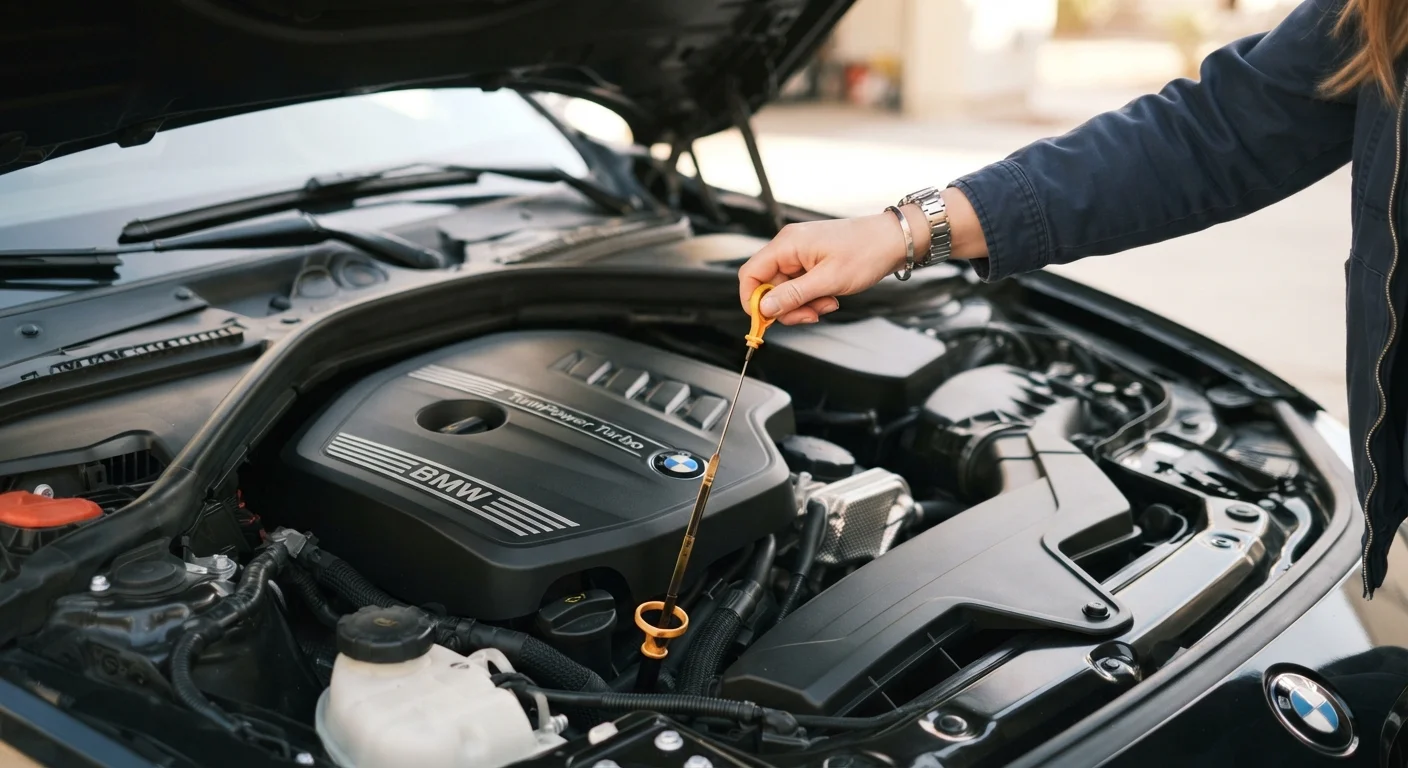
Photo: FaqsDrive.com | Smart Way To Search editorial
—— In This Article
Key Takeaways
- Most fluid checks require only a clean rag and your owner's manual - no special tools needed.
- Engine oil, coolant, brake fluid, power steering fluid, and windshield washer fluid should each be checked monthly.
- Low brake fluid can signal a dangerous leak and warrants immediate professional inspection.
- Always check fluids with the engine cool and the vehicle parked on level ground for accurate readings.
- Transmission fluid intervals vary widely by vehicle - consult your owner's manual for the right schedule.
Why Fluid Checks Matter More Than Most Drivers Realize
Your car relies on a network of fluids to protect moving parts, transfer force, regulate temperature, and maintain safety systems. When even one drops too low or degrades, the consequences can range from poor performance to complete mechanical failure - or a safety hazard behind the wheel.
The good news is that checking most fluids takes fewer than 20 minutes and requires no mechanical background. This checklist walks you through the six fluids every driver should monitor, how to read each one correctly, and what warning signs warrant a trip to a qualified mechanic. For a broader view of vehicle upkeep, see our Car Maintenance 101 guide, which covers the foundational habits every owner should build.
Owner's Manual
Identifies the correct fluid types, reservoir locations, and check intervals specific to your vehicle.
Clean Rags or Paper Towels
Used to wipe dipsticks clean before and after taking readings for an accurate result.
Disposable Gloves
Protect your hands from skin irritation caused by contact with automotive fluids.
Flashlight or Headlamp
Helps illuminate fluid reservoirs and dipstick markings in dim engine bays.
The Fluid-Check Checklist
Work through each group below in order. Start with the engine cold and parked on level ground - this is the single most important setup step for accurate readings across almost every fluid.
Before You Begin
Engine Oil
Engine Coolant (Antifreeze)
Brake Fluid
Power Steering Fluid
Transmission Fluid
Windshield Washer Fluid
Never Open a Hot Radiator Cap
The cooling system operates under high pressure, and opening the radiator cap while the engine is hot can cause scalding steam or fluid to spray. Always wait until the engine has cooled completely - at least 30 minutes after shutoff - before inspecting the radiator or coolant reservoir cap.
Consistently Low Brake Fluid Is a Warning Sign
A small drop in brake fluid level over years of normal use is common as brake pads wear. However, a level that drops noticeably in a short period can indicate a leak in the brake system. Do not simply top it off and move on - have a qualified mechanic inspect the system before driving.
When to Call a Mechanic Instead
This checklist covers visual inspections and routine top-offs - tasks that are genuinely safe for beginners. But certain findings should move you straight to a professional rather than a DIY fix.
- Any sudden, large drop in a fluid level - especially brake fluid or coolant - can indicate a leak that topping off won't solve.
- Milky or foamy engine oil may indicate coolant mixing with oil, which can signal a serious internal engine problem.
- Burnt-smelling or very dark transmission fluid often means the fluid and possibly internal components need professional attention.
Our DIY Car Maintenance guide offers an honest breakdown of where the boundary sits between safe home tasks and work that genuinely requires a licensed mechanic. And if a warning light appears on your dashboard around the same time you notice a fluid issue, consult our guide to check engine lights for next steps.
Use Only the Fluid Type Your Vehicle Specifies
Every fluid in your vehicle has a specification - a grade, viscosity, or formulation defined by the manufacturer. Using the wrong engine oil, transmission fluid, or coolant can cause serious mechanical damage that voids warranties and leads to expensive repairs. Always cross-check your owner's manual before adding any fluid.
Planning a long drive soon? Add fluid checks to your pre-departure routine with our road trip safety walkthrough, which pairs this checklist with tires, lights, and emergency supplies.

Automotive Basics Editorial Team
Automotive Basics Editorial Team is the collective byline for our editorial team and contributor network. Articles published under this byline or an editorial pen name are researched, written, and reviewed according to our editorial standards for clarity, consistency, and independence before publication.
View author profile