
Before Every Road Trip: A Driver's Safety Walkthrough
A practical pre-trip checklist covering tires, fluids, lights, and emergency supplies so you're prepared before you leave.
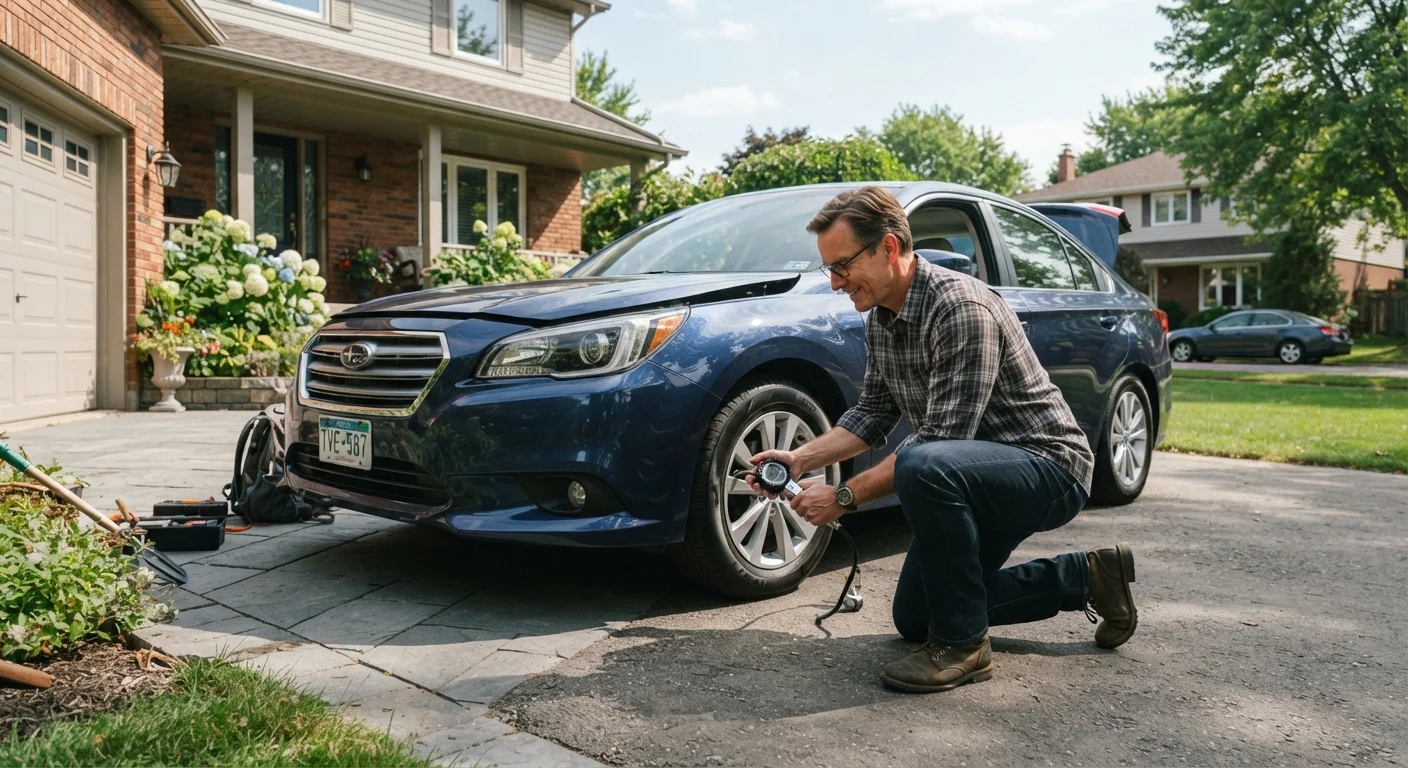
Photo: FaqsDrive.com | Smart Way To Search editorial
—— In This Article
Key Takeaways
- Checking tires, fluids, and lights before departure catches most common breakdown causes.
- An emergency kit in your trunk can make a roadside incident far less dangerous.
- Most pre-trip checks require no tools and can be done in a standard driveway.
- Dashboard warning lights that appear before departure should be addressed before you drive.
- Having key documents and a charged phone ready is part of a complete safety walkthrough.
Why a Pre-Trip Walkthrough Matters
Most road trip problems don't start on the highway - they start in the driveway, when something small goes unnoticed. A low tire, a fluid leak, or a burned-out brake light are all easy to spot when your car is parked and you're not yet in a hurry. Once you're three hours from home on an unfamiliar stretch of interstate, those same issues become genuinely dangerous.
This walkthrough is designed to take under an hour and cover the systems most likely to cause a breakdown or accident: tires, fluids, lights, brakes, and your emergency supplies. You don't need to be a mechanic. You need to know where to look and what normal looks like. For a deeper dive into your car's fluid systems, see our practical fluids walkthrough.
Don't Ignore Pre-Trip Warning Signs
It can be tempting to postpone a concern when you're excited to get on the road. Resist that impulse. A warning light, an unfamiliar noise, or a tire that keeps losing pressure are not things to monitor while driving - they are reasons to delay departure and seek a professional inspection. Driving with a known mechanical issue puts you, your passengers, and other road users at risk.
If any check reveals something you can't explain - a warning light you don't recognize, a fluid that looks dark or smells burnt, a tire with visible bulging - have a qualified mechanic inspect it before you leave. Driving with a known issue isn't a calculated risk; it's an avoidable one. See our reference on dashboard warning lights to help you decode what your car is signaling.
Tools and Supplies You'll Need
You don't need a full garage setup for this inspection. Gather these items before you start so you can move through the checklist without stopping.
Tire pressure gauge
Used to check the PSI in each tire so you can inflate or deflate to the correct level.
Flashlight or work light
Helps you inspect fluid levels, belts, and hard-to-see areas under the hood in low-light conditions.
Clean lint-free rag
Used to wipe the oil dipstick cleanly so you get an accurate reading.
Coin or tread-depth gauge
A quarter or dedicated gauge lets you measure remaining tire tread depth quickly.
Windshield washer fluid (pre-mixed)
Lets you top off the reservoir if it's low before you hit the road.
The Pre-Trip Safety Checklist
Work through these groups in order - exterior first, then under the hood, then the cabin. Doing it consistently the same way means you're less likely to skip something.
Tires
Fluids
Lights and Visibility
Under the Hood and Belts
Emergency Supplies and Cabin Readiness
Documents and Emergency Kit: Don't Skip These
A vehicle that checks out mechanically is only part of safe road-trip preparation. Driving without your license, registration, or proof of insurance can result in significant legal and financial consequences if you're stopped or involved in an incident. Equally, an emergency kit that's incomplete or has expired supplies offers false confidence - check it physically, not from memory.
Once you're satisfied with the vehicle itself, make sure your documents are in order. Your driver's license, vehicle registration, and proof of insurance should be physically in the car. For a full list of what to carry, our guide to essential travel documents covers both driving and travel scenarios. Also review your emergency kit before every trip - contents can expire or go missing between uses. For guidance on what that kit should contain, see what a vehicle emergency kit should actually contain.

Automotive Basics Editorial Team
Automotive Basics Editorial Team is the collective byline for our editorial team and contributor network. Articles published under this byline or an editorial pen name are researched, written, and reviewed according to our editorial standards for clarity, consistency, and independence before publication.
View author profile