
Car Maintenance 101: What Every New Owner Needs to Understand
New to owning a car? Learn the foundational maintenance concepts that keep your vehicle running safely and help you avoid expensive surprises.
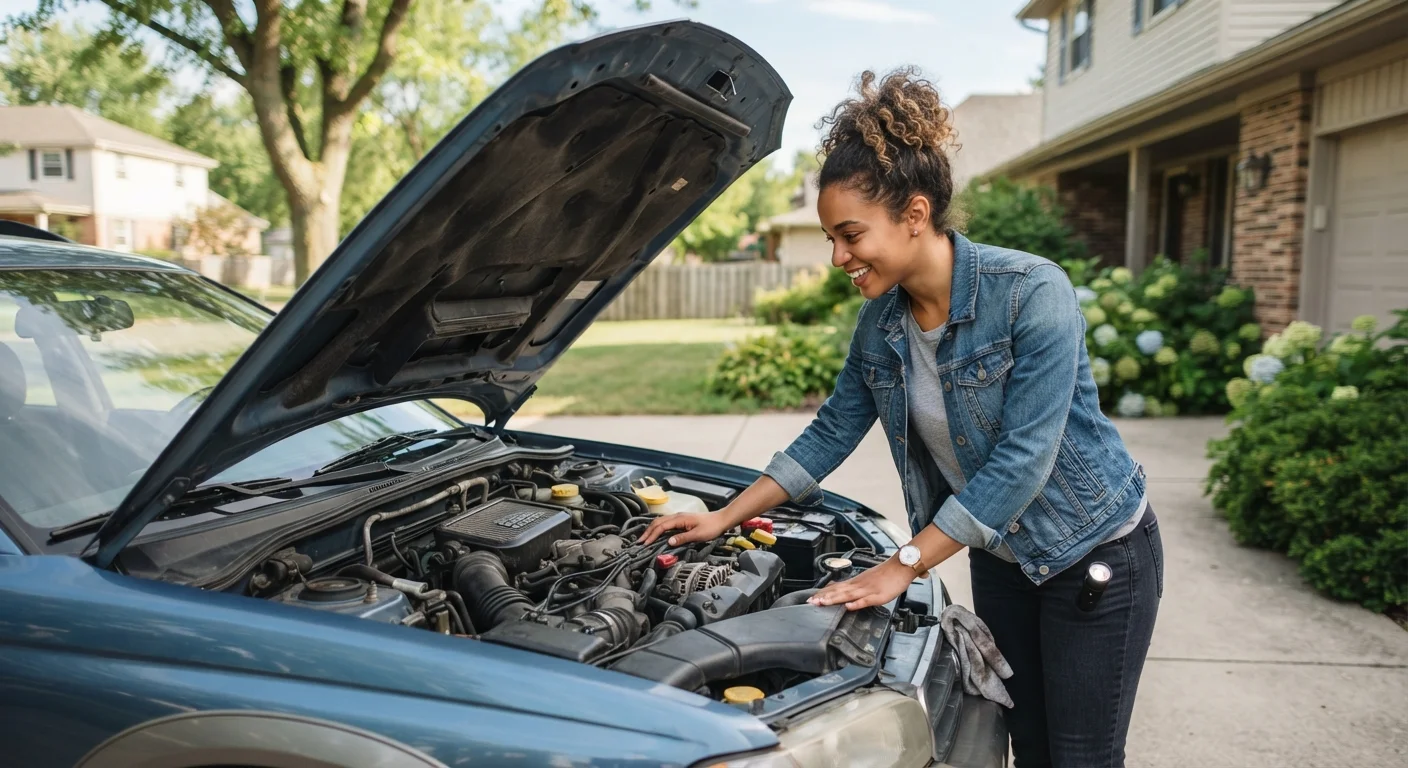
Photo: FaqsDrive.com | Smart Way To Search editorial
—— In This Article
Key Takeaways
- Routine maintenance prevents the small problems that grow into expensive repairs.
- Your owner's manual is the most reliable maintenance guide for your specific vehicle.
- Engine oil, coolant, tires, and brakes are the four systems that demand the most attention.
- Dashboard warning lights should never be ignored - they are your car communicating with you.
- Many simple tasks are beginner-friendly, but some repairs require a qualified mechanic.
Why Routine Maintenance Matters
A car is one of the most complex and expensive things most Americans own - yet many new owners treat maintenance as optional until something goes wrong. The reality is that routine upkeep is what separates a vehicle that runs reliably for 200,000 miles from one that needs a major repair at 80,000.
Maintenance works on a simple principle: small, predictable costs prevent large, unpredictable ones. Fresh engine oil costs far less than a seized engine. New brake pads are a fraction of the price of damaged rotors. The relationship between neglect and expense is direct and well-documented in automotive repair data.
If you're a new owner, check out the Understanding Your Car hub for plain-language explanations of how your vehicle's systems actually work - it's a strong foundation before diving into any maintenance task.
Create a Simple Maintenance Log
Keep a small notebook in your glove box or use a free app to record every service your car receives - date, mileage, and what was done. This log is invaluable when diagnosing future problems and adds credibility when selling the vehicle.
The Core Systems Every Owner Should Know
You don't need to be a mechanic to care for your car - but you do need a working understanding of the systems that matter most.
Engine oil viscosity
A measure of how thick or thin engine oil is and how it flows at different temperatures. Your owner's manual specifies the right viscosity (e.g., 5W-30) for your engine.
Coolant (antifreeze)
A liquid mixture circulated through your engine to regulate temperature - preventing overheating in summer and freezing in winter.
Tire rotation
Moving tires from one position on the vehicle to another at regular intervals so they wear evenly and last longer.
Brake rotor
The metal disc that brake pads press against to slow the vehicle. Rotors can warp or wear thin over time and may need resurfacing or replacement.
OBD-II diagnostic code
A standardized error code generated by your car's onboard computer when it detects a problem. Mechanics and auto parts stores use a scanner to read these codes.
TPMS
Tire Pressure Monitoring System - a sensor-based system that alerts you via a dashboard light when one or more tires fall significantly below the recommended pressure.
Engine Oil
Oil lubricates moving engine parts, reduces friction, and carries heat away from critical components. When it degrades or runs low, engine wear accelerates rapidly. Check your oil level monthly using the dipstick and have it changed according to your owner's manual schedule.
Cooling System
Coolant (antifreeze) keeps your engine from overheating in summer and freezing in winter. A low coolant level or old coolant can lead to overheating - one of the most damaging things that can happen to an engine. Check the coolant reservoir when the engine is cold.
Tires
Tires affect your safety, fuel economy, and handling every single mile. Proper inflation, adequate tread depth, and regular rotation are non-negotiable basics. For a deeper look, see our guide on tire pressure, tread depth, and rotation.
Brakes
Brake pads wear down gradually and need periodic inspection. Squealing sounds when braking often indicate worn pads; grinding suggests metal-on-metal contact, which means rotor damage is already occurring. Never delay brake service - it is a direct safety issue.
Your Maintenance Schedule: Where to Start
The single most important tool for scheduling your car's maintenance is already in your glove box: the owner's manual. It contains the manufacturer's exact service intervals for your specific engine, transmission, and climate conditions. Many new owners ignore it entirely - a costly mistake. Learn more about how to actually use your owner's manual.
As a general framework, most maintenance tasks fall into three time horizons:
- Every month: Check tire pressure and engine oil level visually.
- Every 6-12 months or per mileage interval: Oil change, tire rotation, air filter inspection, brake inspection.
- Every 2-5 years: Coolant flush, brake fluid replacement, spark plug replacement (varies widely by vehicle).
For a structured approach, our annual car maintenance checklist breaks tasks down by season so nothing slips through the cracks.
Dashboard Warning Lights Explained
Your car's dashboard is designed to communicate problems before they become serious. Ignoring warning lights is one of the most common - and expensive - habits new owners develop.
Never Ignore a Red Warning Light
Yellow or amber lights typically indicate a condition that needs attention soon. Red lights signal an immediate problem that could cause serious damage or create a safety hazard if you keep driving. When a red light appears, pull over safely as soon as you can and assess the situation before continuing.
Here are the lights you're most likely to encounter:
- Check Engine Light
- Can indicate anything from a loose gas cap to a misfiring cylinder. Have the diagnostic trouble code read as soon as possible - many auto parts stores offer this at no charge.
- Oil Pressure Light
- This is an emergency. If it illuminates while driving, pull over safely and turn off the engine. Driving with low oil pressure can destroy an engine within minutes.
- Temperature Warning
- Signals that the engine is overheating. Pull over, turn off the engine, and do not open the radiator cap while the engine is hot. Let it cool before checking coolant levels.
- Battery Light
- Indicates the charging system isn't functioning correctly. The battery, alternator, or a related component may be failing. Get it checked promptly to avoid being stranded.
- TPMS (Tire Pressure) Light
- One or more tires are significantly under-inflated. Check pressure with a gauge and inflate to the level shown on the sticker inside your driver's door - not the number on the tire sidewall.
When to DIY and When to Call a Mechanic
Knowing your limits is just as valuable as knowing your car. Some tasks are genuinely beginner-friendly; others carry safety risks that make professional service the right call.
Generally safe for beginners:
- Checking and topping off fluids (oil level, washer fluid)
- Replacing wiper blades
- Checking tire pressure and inflating tires
- Replacing cabin air filters (on most vehicles)
Best left to a qualified mechanic:
- Brake pad and rotor replacement
- Suspension or steering repairs
- Electrical diagnostics and repairs
- Transmission service
- Anything involving fuel system components
Our guide to DIY car maintenance: what's safe and what isn't provides an honest breakdown of where that line falls for most home mechanics.
It's also worth double-checking common assumptions about car care - some widely repeated advice actually increases costs rather than reducing them. See car ownership misconceptions that lead to unnecessary repair bills for a myth-busting look at what really matters.
Teen and First-Time Drivers: Extra Context
If you're a parent helping a new teen driver understand car ownership, pairing maintenance basics with safe driving habits sets them up well. Our guide on teen drivers and graduated licensing covers what supervision looks like in the early months of driving.
Frequently Asked Questions

Automotive Basics Editorial Team
Automotive Basics Editorial Team is the collective byline for our editorial team and contributor network. Articles published under this byline or an editorial pen name are researched, written, and reviewed according to our editorial standards for clarity, consistency, and independence before publication.
View author profile