
Your Car's Owner Manual: The Most Underused Tool in the Glove Box
The owner's manual holds answers most drivers never consult. Here's what it actually contains and why it should guide every maintenance decision you make.
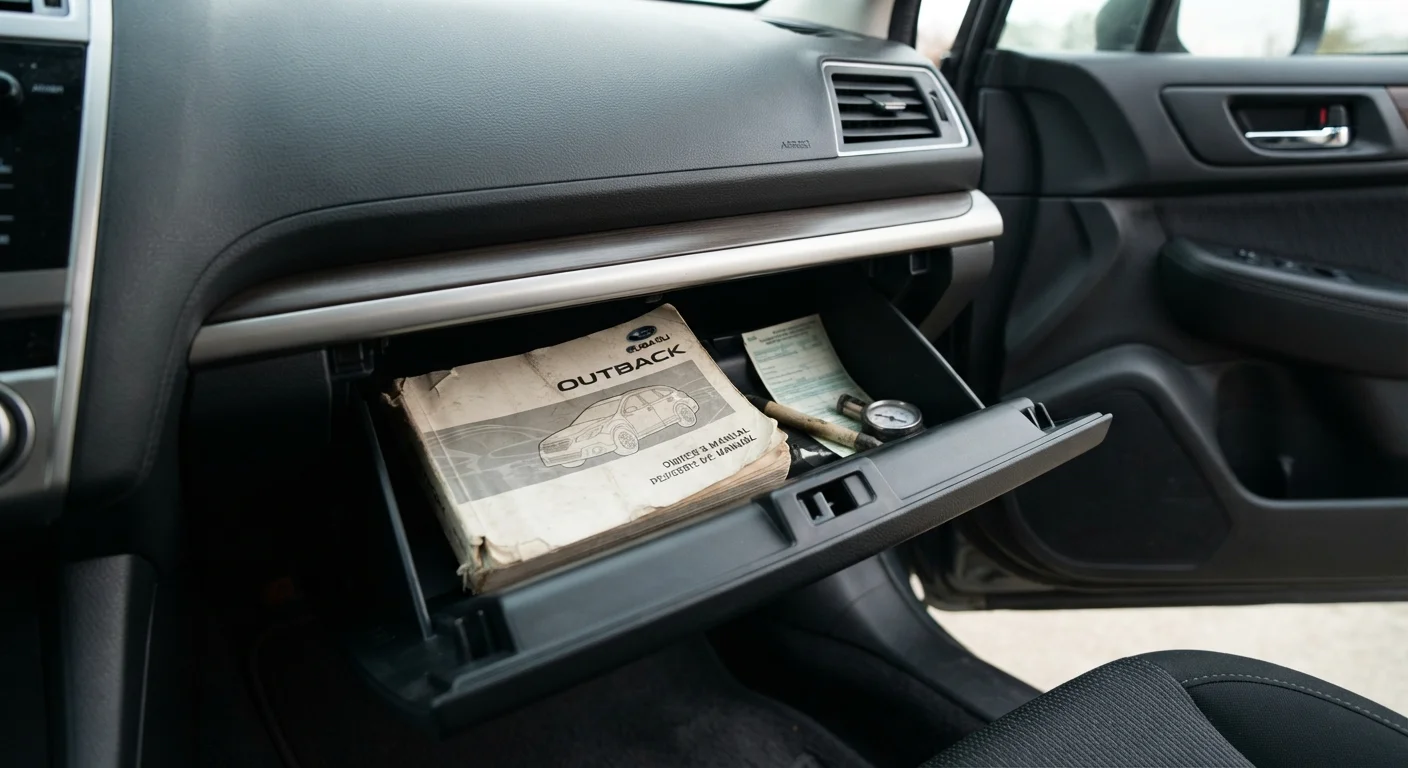
Photo: FaqsDrive.com | Smart Way To Search editorial
—— In This Article
Key Takeaways
- Your owner's manual contains maintenance schedules tailored to your exact vehicle, not generic estimates.
- Warning light explanations in the manual help you judge urgency before paying for a diagnostic scan.
- Fluid specifications in the manual prevent costly engine or transmission damage from using the wrong products.
- Many drivers follow myths about oil changes and tire pressure that the manual would quickly correct.
- Digital versions of most manuals are freely available online if the physical copy is missing.
Why Most Drivers Never Open It
Studies on driver behavior consistently show that the owner's manual ranks among the least-consulted documents in a vehicle - even though it answers the questions drivers most often pay others to answer. The manual feels intimidating at first glance: dense, technical, and hundreds of pages long. But it's organized by topic, and the index makes it easy to find exactly what you need in under two minutes.
The cost of ignoring it adds up. Drivers who follow generic maintenance advice - rather than manufacturer specifications - may be overspending on services their car doesn't need, or underserving systems that do need attention. As our car ownership misconceptions article explains, some of the most expensive automotive myths persist simply because drivers don't have the right reference material handy.
What's Actually Inside the Manual
Most owner's manuals are divided into several core sections, each covering a distinct area of vehicle knowledge.
~900
Average pages in a modern owner's manual
Comprehensive vehicle manuals have grown significantly in length as cars have added more electronic systems and driver-assistance features.
3,000 mi
Outdated oil change interval still followed by many drivers
Many modern vehicles with synthetic oil have manufacturer-recommended intervals of 7,500 miles or more, yet the 3,000-mile guideline persists as a common assumption.
Free
Cost to download your manual from most manufacturer sites
The majority of automakers provide digital owner's manuals at no cost through their official websites or owner portals.
Maintenance Schedules
This is the most practically valuable section for any owner. It lists every service interval - oil changes, air filter replacement, brake fluid, spark plugs, timing belt or chain - tied to your specific engine and transmission. The intervals are based on engineering data from the manufacturer, not sales incentives. For a deeper dive into what these services actually involve, see Car Maintenance 101.
Fluid Specifications
Your manual lists the exact grade and certification required for every fluid in the car: engine oil, transmission fluid, coolant, brake fluid, and power steering fluid (where applicable). Using the wrong specification - even a well-regarded product - can cause gradual but serious damage that voids warranties and shortens component life.
Warning Light Guide
There is an entire section dedicated to dashboard indicators. It tells you which lights mean stop immediately, which mean schedule a service soon, and which are simply informational. Knowing this before a light appears is far less stressful than searching online while pulled over. For a broader understanding of what's happening under the hood, The Parts Under Your Hood provides helpful context.
Tire and Load Information
Correct tire pressure, load capacity, and tire size are all documented here. Tire pressure in particular affects fuel economy, handling, and tire wear - and the number on the tire's sidewall is the maximum pressure, not the recommended operating pressure. The correct figure for your car is in the manual (and usually on a sticker inside the driver's door jamb).
How to Use It as a Maintenance Decision Tool
Keep a Bookmark in the Maintenance Section
Dog-ear or use a sticky tab to mark the scheduled maintenance table in your manual. This single page tells you almost everything you need to know about when your car needs attention. Pair it with a simple mileage log in the glove box to track completed services.
Treat your manual as the starting point for any maintenance question, not a last resort. Before scheduling a service, check whether it's actually due. Before adding a fluid, verify the specification. Before panicking over a warning light, look it up.
If you're considering doing any work yourself, the manual clarifies what's accessible to a careful beginner. For a realistic breakdown of which tasks are safe to attempt at home versus which should go to a professional, see DIY Car Maintenance: What's Safe to Do Yourself.
The manual also supports safe driving habits. Knowing your vehicle's load limits, towing capacity, and tire ratings helps you operate it safely in conditions outside everyday commuting. Those planning road trips or carrying cargo will find it particularly useful alongside resources like What a Vehicle Emergency Kit Should Actually Contain.
If you no longer have a physical copy, check the manufacturer's website. Most offer free, searchable PDFs. Some manufacturers also provide mobile apps that let you access the manual by scanning your VIN. For a broader foundation in understanding your car, the manual is the place to start.
Frequently Asked Questions

Automotive Basics Editorial Team
Automotive Basics Editorial Team is the collective byline for our editorial team and contributor network. Articles published under this byline or an editorial pen name are researched, written, and reviewed according to our editorial standards for clarity, consistency, and independence before publication.
View author profile