
Annual Car Maintenance Checklist for Year-Round Reliability
A clear, month-by-month maintenance checklist to help everyday drivers stay on schedule, catch small issues early, and keep their vehicle in safe condition.
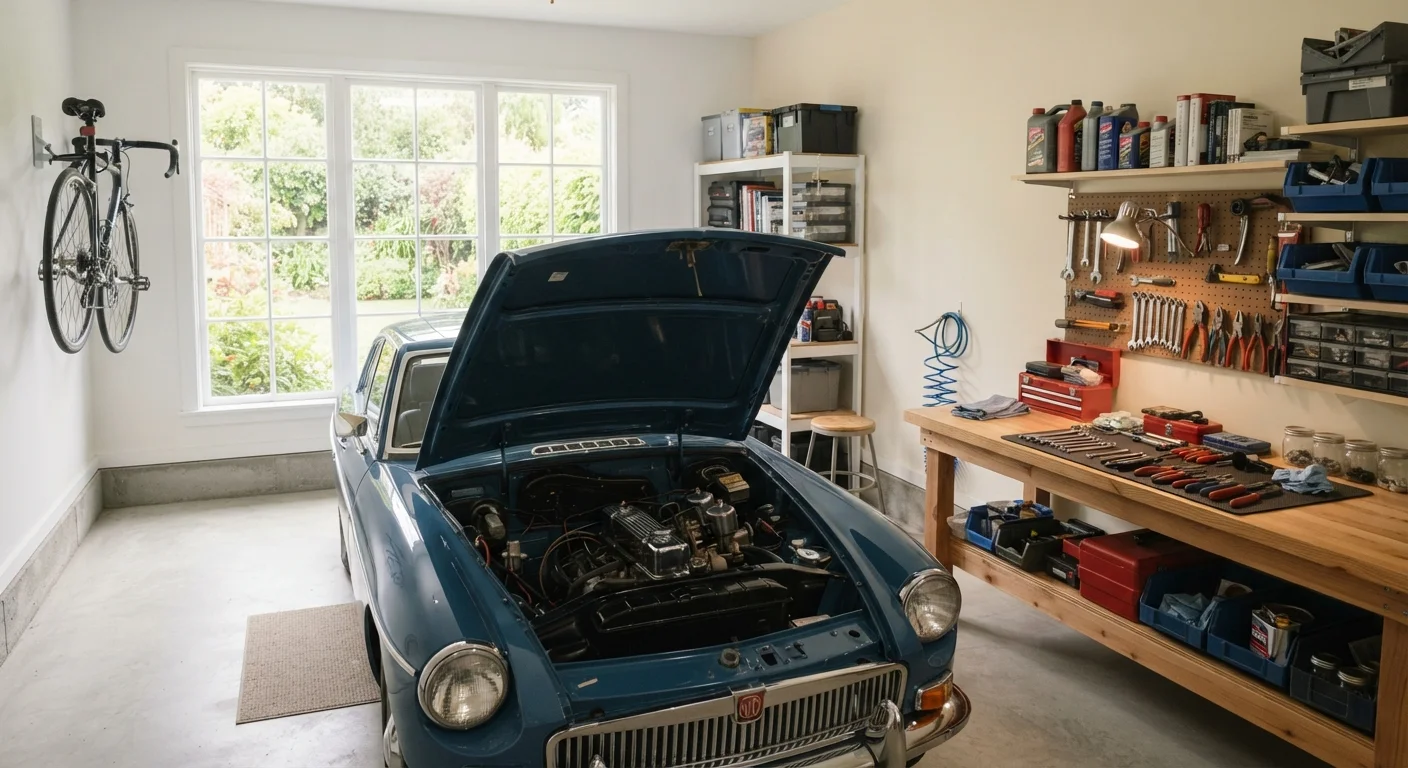
Photo: FaqsDrive.com | Smart Way To Search editorial
—— In This Article
Key Takeaways
- Routine maintenance catches small problems before they become expensive repairs.
- Most checks on this list require no special tools and take under 10 minutes each.
- Your owner's manual is the definitive guide for your vehicle's specific service intervals.
- Seasonal changes in temperature affect tires, fluids, and battery performance significantly.
- Some tasks - like brake inspection or timing belt replacement - require a qualified mechanic.
Why a Yearly Maintenance Schedule Pays Off
Skipping routine car care rarely saves money - it just delays the bill and often makes it larger. A vehicle that receives regular attention holds its value better, passes inspections more reliably, and is far less likely to leave you stranded. Think of this checklist as a health calendar for your car: small, consistent check-ins instead of one expensive emergency visit.
Before diving into the checklist, gather two things: your owner's manual and your service records. Every vehicle has manufacturer-specific intervals for oil, filters, and fluids. What works for one car may not apply to another. If you're unsure how any system works, the Understanding Your Car hub offers plain-language breakdowns of key components.
Always Follow Your Owner's Manual First
This checklist covers widely applicable maintenance principles, but every vehicle has its own manufacturer-specified intervals and fluid requirements. Intervals in this guide are general estimates - your manual may call for service sooner or later depending on your make, model, and driving conditions. When in doubt, default to what your manufacturer recommends, not a general rule of thumb.
Tools You'll Need
You don't need a professional workshop to complete most of these checks. The items below cover the full list - a few are required for even basic inspections, while others are helpful additions for more thorough DIY checks.
Tire Pressure Gauge
Used to check and verify PSI in all four tires and the spare each month.
Owner's Manual
Provides vehicle-specific service intervals, fluid types, and capacities for every item on this checklist.
Tread Depth Gauge
Measures remaining tire tread to determine whether replacement is needed.
Flashlight or Inspection Light
Helps you see into the engine bay, under the vehicle, and into tight spaces during visual checks.
Funnel and Fluid Containers
Allows safe, spill-free topping off of oil, coolant, washer fluid, and brake fluid.
Service Record Logbook
Tracks every check, fluid change, and replacement so you always know what's been done and when.
The Full Maintenance Checklist
The items below are organized into logical groups so you can work through them systematically. Tackle the monthly checks first, then layer in the seasonal and annual tasks. For anything involving brakes, suspension, or major fluid systems, always consult a qualified mechanic rather than attempting it without proper training or equipment.
Tire care deserves special attention year-round. Pressure, tread depth, and rotation schedules all affect your safety and fuel economy. For a deeper look, see our article on tire pressure, tread depth, and rotation.
Monthly Checks
Every 3-6 Months
Seasonal Preparation
Annual or Mileage-Based Service
Leave Brake and Suspension Work to a Mechanic
Brakes and suspension components are safety-critical systems. Inspecting fluid levels and listening for unusual sounds is appropriate for any driver, but adjusting, replacing, or repairing brake hardware, rotors, calipers, or suspension parts should always be done by a qualified automotive technician. Improperly serviced brakes can fail without warning - this is not a task to learn through trial and error.
Components That Are Easy to Forget
Air filters, spark plugs, and drive belts rarely make themselves known until something fails. These are the items most often missing from a beginner's mental checklist - yet they directly affect engine efficiency and reliability. Our companion article on air filters, spark plugs, and belts explains what each component does and how to recognize wear before a breakdown occurs.
Once you've worked through this checklist, keep a simple log - even a notes app or a paper folder in your glove box works - recording what was checked, what was serviced, and when. That record becomes invaluable for resale and helps you stay ahead of the next service window. Safe, well-maintained vehicles protect everyone on the road, so bookmark the Safe Driving Tips hub for ongoing guidance beyond maintenance.

Automotive Basics Editorial Team
Automotive Basics Editorial Team is the collective byline for our editorial team and contributor network. Articles published under this byline or an editorial pen name are researched, written, and reviewed according to our editorial standards for clarity, consistency, and independence before publication.
View author profile