
Car Battery Basics: What Drains It, When to Test It, and Signs It's Failing
A dead battery is one of the most common reasons cars don't start. Learn what shortens battery life and how to spot trouble before you're stranded.
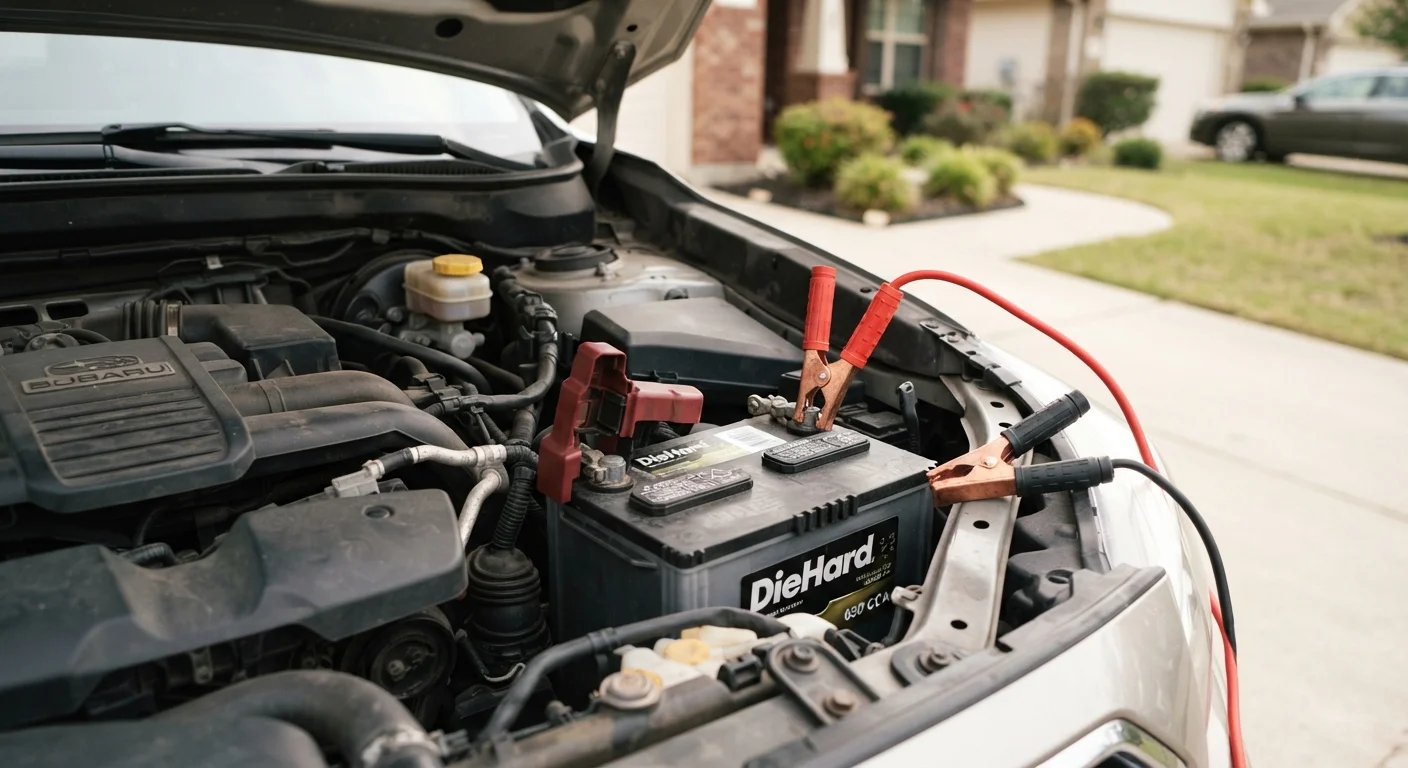
Photo: FaqsDrive.com | Smart Way To Search editorial
—— In This Article
Key Takeaways
- Most car batteries last three to five years before needing replacement.
- Leaving lights or accessories on is the most common cause of a drained battery.
- Extreme temperatures - both hot and cold - significantly shorten battery life.
- A battery showing slow cranking or dimming lights should be tested promptly.
- Many auto parts stores offer free battery testing, so you don't need to guess.
- A failing battery can mimic other electrical problems, making early diagnosis important.
What a Car Battery Actually Does
Think of your car battery as the starter pistol for everything electrical in your vehicle. When you turn the ignition key or press the start button, the battery delivers a powerful burst of current to the starter motor, which spins the engine to life. After that, your alternator takes over and powers the car's electrical systems while simultaneously recharging the battery.
The battery doesn't just handle starting, though. It also stabilizes voltage across the electrical system and provides backup power if demand temporarily spikes - for instance, when your air conditioning, headlights, and stereo are all running at once. To understand how those three systems pass the baton, see our guide on how a car battery, alternator, and starter work together.
3-5 years
Typical car battery lifespan
Industry guidance from battery manufacturers and automotive associations consistently cites three to five years as the average service life for standard lead-acid batteries.
#1
Leading cause of roadside service calls
Battery-related failures - dead batteries and charging system issues - are consistently cited by roadside assistance providers as the top reason drivers call for help.
~12.6V
Healthy resting battery voltage
A fully charged 12-volt lead-acid battery at rest should read approximately 12.6 volts; readings below 12.0 volts indicate significant discharge or capacity loss.
What Drains a Car Battery
Batteries drain for two broad reasons: parasitic draw (power being pulled when the car is off) and age-related capacity loss. Here are the most common culprits:
- Lights left on: Interior lights, headlights, or trunk lights left on overnight are the leading cause of a dead battery in the morning.
- Short trips: The alternator needs time to recharge the battery after a cold start. If you only drive a few minutes at a time, the battery never fully recovers.
- Faulty charging system: A failing alternator or worn serpentine belt may mean the battery never gets properly recharged while driving.
- Parasitic drain: Aftermarket electronics, a malfunctioning relay, or even a stuck-open dome light can slowly drain the battery over days when the car is parked.
- Extreme temperatures: Heat accelerates internal corrosion inside the battery; cold reduces its ability to deliver current. Both shorten overall lifespan.
- Age: After three to four years, most batteries begin to lose capacity, making them more vulnerable to all of the above.
Prevent Drains Before They Start
Get into the habit of double-checking that all lights are off when you park - including the trunk light and any USB-powered accessories. If you drive mostly short trips, consider taking a longer drive once a week to give the alternator time to fully recharge the battery. These simple habits can meaningfully extend battery life.
Warning Signs Your Battery Is Failing
Catching a failing battery early can save you the frustration of being stranded. Watch for these signals:
- Slow or labored cranking: The engine turns over sluggishly when you start it - a classic sign the battery can't deliver enough current.
- Dimming headlights or interior lights: If lights visibly dim when you start the car or run accessories, the battery may be struggling to hold a charge.
- Battery warning light: This dashboard indicator can signal a problem with the battery itself or the charging system. Our companion article on dashboard warning lights explains what to do when it illuminates.
- Swollen or bloated battery case: Excessive heat can cause the case to bulge - a sign of internal damage that means the battery needs replacement soon.
- Corrosion on terminals: A white or bluish powder around the battery terminals can increase resistance and reduce performance. Light corrosion can be cleaned; heavy buildup alongside other symptoms suggests the battery is nearing the end.
- Frequent need to jump-start: Needing a jump more than once is a clear signal the battery can no longer hold an adequate charge.
Terminal Corrosion vs. Battery Failure
Light white or bluish corrosion on battery terminals is common and can often be cleaned safely with a mixture of baking soda and water and a stiff brush - always with the battery disconnected first. However, corrosion that returns quickly, or that accompanies other symptoms like slow cranking, may signal a deeper problem with the battery or charging system. When in doubt, have a qualified mechanic inspect it.
When and How to Test Your Battery
Battery testing doesn't need to be intimidating. A basic at-home check involves a visual inspection: look for cracks in the case, heavy terminal corrosion, and any swelling. If the battery is more than three years old or showing any of the warning signs above, it's worth a more thorough electrical test.
Many auto parts retailers offer free battery load testing - you simply bring the car in or remove the battery and have it tested on the spot. A load test checks whether the battery can maintain adequate voltage under real starting conditions, which a simple voltage reading alone won't reveal. If you own a multimeter, a resting voltage between 12.4 and 12.7 volts indicates a reasonably healthy charge; below 12.0 volts suggests the battery is significantly discharged or degraded.
Plan to test your battery at least once a year if it's over three years old, or before a long road trip. For a broader look at staying ahead of maintenance, our Car Maintenance 101 guide outlines a simple schedule new owners can follow. And if you're comfortable doing basic checks yourself, see what's safe to DIY and what isn't for honest guidance on where to draw the line.
Frequently Asked Questions

Automotive Basics Editorial Team
Automotive Basics Editorial Team is the collective byline for our editorial team and contributor network. Articles published under this byline or an editorial pen name are researched, written, and reviewed according to our editorial standards for clarity, consistency, and independence before publication.
View author profile