
America's National Parks: What First-Time Visitors Need to Know Before They Go
Planning your first national park trip? Learn about reservations, permits, seasons, and what to realistically expect before you arrive.
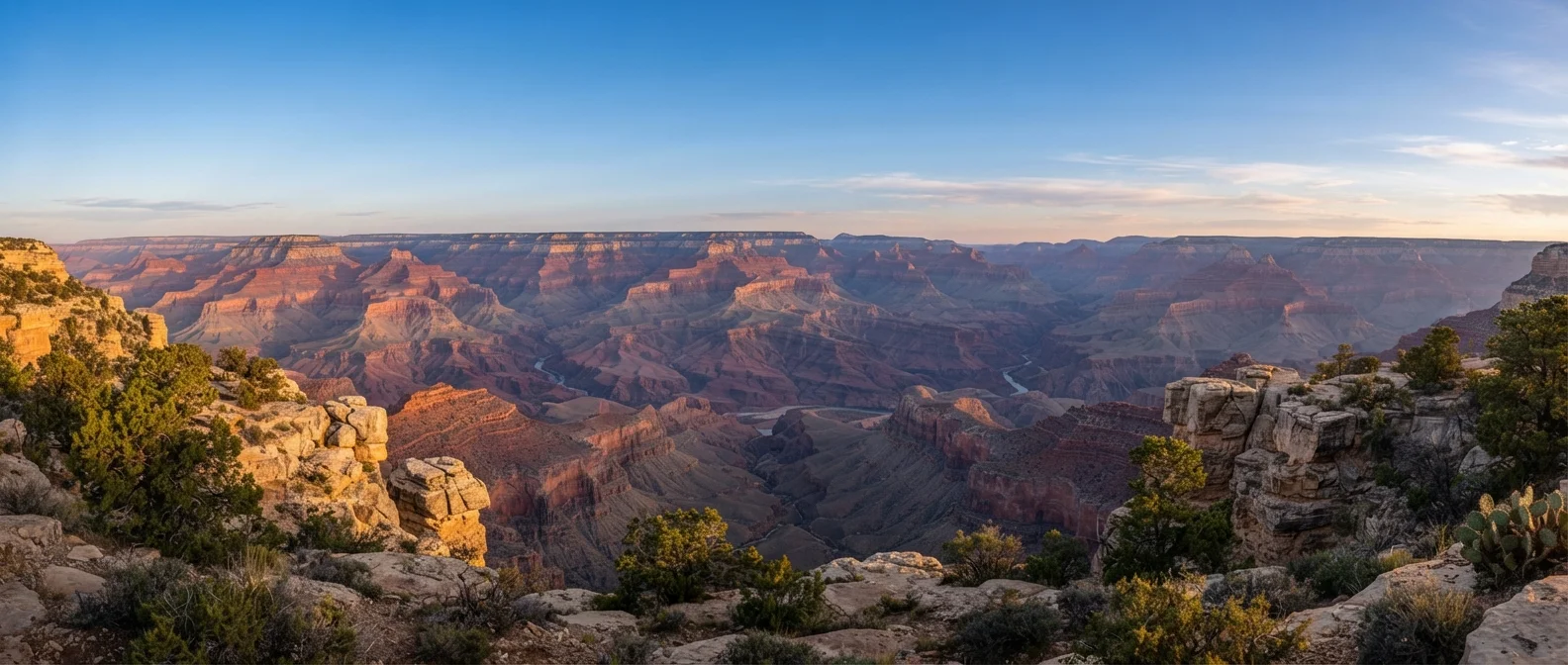
Photo: FaqsDrive.com | Smart Way To Search editorial
—— In This Article
Key Takeaways
- Many popular national parks now require advance reservations or timed-entry passes — plan weeks or months ahead.
- The America the Beautiful annual pass covers entrance fees at over 2,000 federal recreation sites.
- Shoulder seasons (spring and fall) typically offer better crowds, milder weather, and lower lodging costs.
- Leave No Trace principles help protect park ecosystems and are expected of all visitors.
- Cell service is limited or nonexistent in many parks — download maps and park apps before you arrive.
Why National Parks Are Perfect for First-Time Travelers
With more than 400 sites managed by the National Park Service (NPS) — spanning deserts, glaciers, ancient forests, coastlines, and volcanic landscapes — the national park system is one of the most accessible entry points into American travel. Parks provide built-in infrastructure: marked trails, visitor centers staffed with rangers, campgrounds, and educational programs that make exploring natural landscapes far less intimidating than venturing into the backcountry on your own.
For budget-conscious travelers, parks are especially attractive. Entrance fees are modest compared to many attractions, and free experiences — wildlife viewing, scenic drives, ranger-led talks — are abundant once you're inside. If you're still deciding where to begin your planning journey, our complete trip planning walkthrough is a great place to start before narrowing down a destination.
Timed-Entry Reservation
A system where visitors must book a specific arrival window in advance to enter a park or popular area. Without one, entry can be denied even if you have a valid pass.
America the Beautiful Pass
An annual interagency pass that covers entrance fees at national parks and hundreds of other federal recreation sites across the United States.
Leave No Trace
A set of outdoor ethics principles designed to minimize human impact on natural areas — including packing out all trash, staying on trails, and not disturbing wildlife or plants.
Backcountry
Undeveloped areas of a park away from roads and facilities, typically requiring more experience, permits, and self-sufficiency to explore safely.
Concessionaire
A private company authorized by the NPS to operate services inside a park, such as lodges, restaurants, and guided tours.
Gateway Town
A community located near a park entrance that offers lodging, dining, gear, and services for visitors before or after their park experience.
Reservations, Permits, and Timed Entry: The Basics
One of the biggest surprises for first-time park visitors: showing up without a reservation can mean turning around at the gate. Since the early 2020s, dozens of parks have introduced timed-entry reservation systems to manage surging visitor numbers and protect ecosystems. Popular parks like Yosemite, Glacier, and Arches have required advance passes during peak periods.
Reservations are typically made through Recreation.gov, the official federal booking platform. Release schedules vary — some parks open reservations months ahead, others a few weeks before. Certain backcountry trails and iconic permits (such as the lottery for a permit to hike the Wave in Vermilion Cliffs National Monument) require planning well over a year in advance.
Set Up Alerts for Reservation Releases
Timed-entry passes for popular parks can sell out within minutes of release. Check Recreation.gov for exact release dates and times, then set a calendar reminder. Some parks also release a small number of same-day passes — these require early morning persistence but can reward flexible travelers.
For a thorough checklist of everything to confirm before departure — from timed-entry passes to trail permits and gear — see our companion guide: pre-trip checklist for national park visits.
Choosing the Right Park and Season
Not every park suits every visitor. Before choosing, consider your fitness level, travel style, and what kind of landscapes excite you. Smoky Mountains (the most visited park in the country) offers approachable trails and stunning fall color. Acadia in Maine combines coastal scenery with well-maintained carriage roads ideal for cycling. The Badlands in South Dakota deliver otherworldly geology with easy access from the interstate.
Timing matters enormously. Summer is peak season at most parks — crowds are heavy, reservations are harder to secure, and temperatures in desert parks can be dangerously high. Shoulder seasons (spring and fall) offer a compelling middle ground: trails are open, wildlife is active, and visitor numbers drop noticeably. Winter visits can be magical and uncrowded, but services are reduced and some roads close entirely.
Conditions Change — Always Verify Officially
Trail closures, road conditions, reservation requirements, and seasonal hours can change year to year or even week to week. Before your trip, check the specific park's page on NPS.gov for the most current information. Do not rely solely on third-party travel sites for operational details.
For strategies experienced travelers use to match parks to their fitness level and time their arrivals wisely, explore our guide on getting the most from your first national park trip.
What to Realistically Expect on Your First Visit
National parks are genuinely spectacular — and also genuinely busy, remote, and sometimes logistically complex. Cell service is unreliable or absent in large portions of most parks. Download offline maps, the NPS app, and any park-specific apps before you leave home. Ranger stations and visitor centers are invaluable resources for trail conditions and safety updates.
Wildlife encounters are real: animals are wild, unpredictable, and must not be fed or approached. Maintain the distances recommended by rangers (typically at least 100 yards from bears and wolves, 25 yards from other wildlife). Leave No Trace principles — packing out all trash, staying on designated trails, leaving natural objects undisturbed — are not optional courtesies; they're expectations enforced by park staff.
Weather in parks can change rapidly. Even in summer, mountain parks can see afternoon thunderstorms and near-freezing overnight temperatures. Layered clothing and rain gear are wise regardless of season.
Costs, Passes, and Budget Considerations
Most national parks charge a per-vehicle entrance fee, which typically ranges from around $20 to $35 for a seven-day pass (fees are set by the NPS and can change — check the official NPS website for current rates). If you plan to visit two or more fee-charging parks in a calendar year, the America the Beautiful Annual Pass — available to any U.S. resident — can offer meaningful savings. The pass also covers Bureau of Land Management sites, National Forests, and other federal lands, extending its value further.
Free admission days are offered several times a year (Martin Luther King Jr. Day, the first day of National Park Week, Juneteenth, and others). The NPS also offers free lifetime passes to U.S. citizens or permanent residents with permanent disabilities, and discounted passes for active military and fourth-grade students through the Every Kid Outdoors program.
Beyond entrance fees, budget for lodging, campsite reservations, and food — gateway towns near popular parks often carry premium prices during peak season. Our guide to affordable domestic travel offers practical strategies for keeping total trip costs manageable.
NPS.gov — Official National Park Service Website
The authoritative source for park information, including current reservation requirements, trail conditions, entrance fees, and accessibility details for all 400+ NPS sites.
Recreation.gov
The official federal booking platform for campsite reservations, timed-entry passes, permit lotteries, and tours at national parks and other public lands.
NPS App
The official National Park Service mobile app offers offline maps, trail guides, and ranger program schedules — essential when cell service disappears inside the park.
Frequently Asked Questions

Travel & Trips Editorial Team
Travel & Trips Editorial Team is the collective byline for our editorial team and contributor network. Articles published under this byline or an editorial pen name are researched, written, and reviewed according to our editorial standards for clarity, consistency, and independence before publication.
View author profile