
Trip Planning From Scratch: A Complete Walkthrough for First-Time Travelers
Never planned a trip before? This beginner's guide covers every step—from picking a destination to packing—so nothing falls through the cracks.
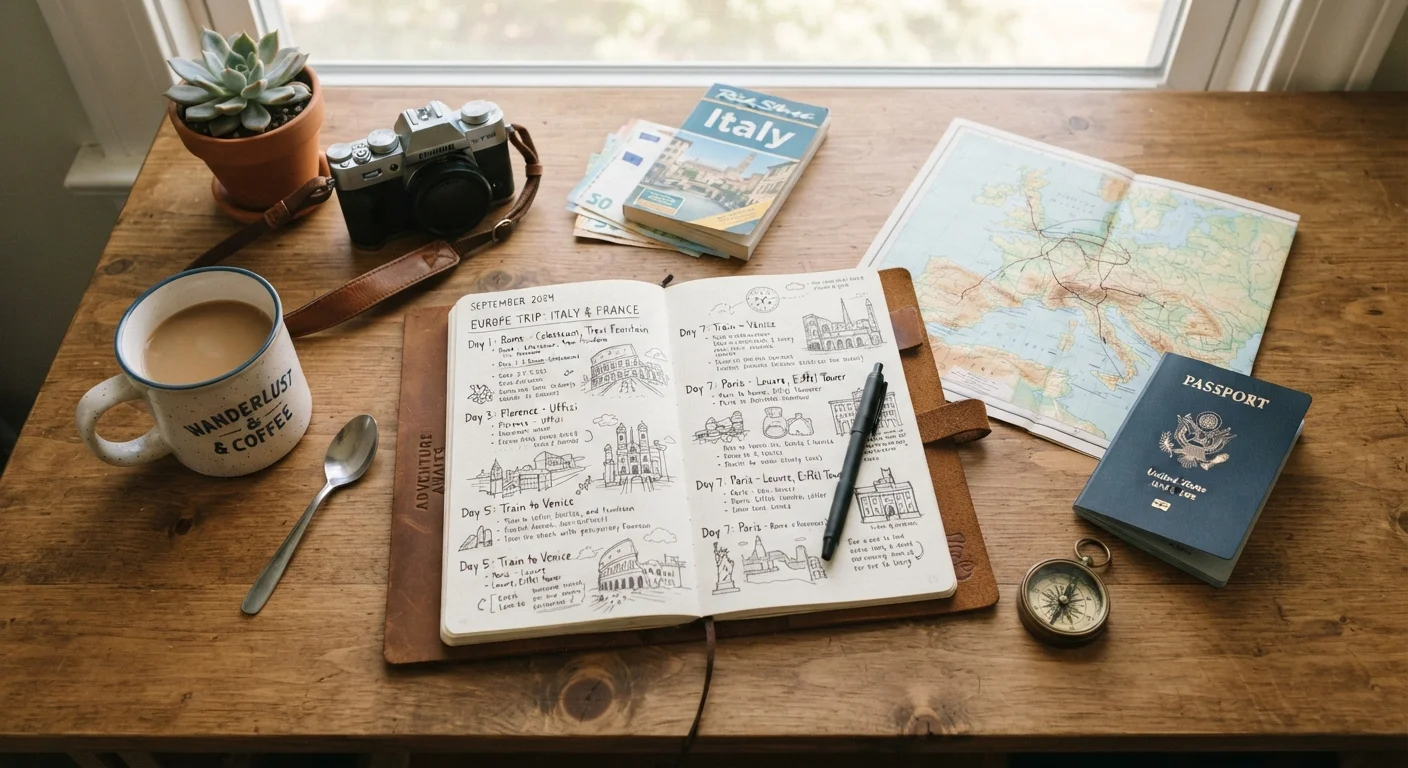
Photo: FaqsDrive.com | Smart Way To Search editorial
—— In This Article
Key Takeaways
- Choosing a destination that matches your budget and interests is the single most important first decision.
- Setting a detailed budget before booking anything prevents overspending and surprises.
- Flexible travel dates can meaningfully reduce transportation costs.
- Lodging type — hotel, hostel, vacation rental — affects both cost and trip experience.
- A day-by-day itinerary with built-in buffer time makes for a more enjoyable, less stressful trip.
- Running a final pre-trip checklist ensures nothing critical is forgotten before departure.
Step 1: Choose Your Destination
The destination question sounds simple, but it's where most beginners stall. The trick is to narrow down using three filters: what you want to experience, how much you can realistically spend, and how much time you have.
Start broad — beach, city, mountains, national park — then get specific. A long weekend lends itself to a drivable destination or a direct-flight city. Two weeks opens up longer-haul options. Think about your travel style, too: solo adventurer or group explorer? Our guide on solo vs. group trip planning breaks down exactly how that choice reshapes every step that follows.
Shoulder season
The travel period just before or after a destination's peak season — typically offering smaller crowds and lower prices while still providing good conditions.
Itinerary
A planned schedule of activities, locations, and travel arrangements for each day of your trip.
Entry requirements
The documents and conditions — such as a valid passport or visa — that a country or territory requires before allowing you to enter. Always verify through official government sources.
Travel buffer
Extra money and time set aside in your plan to handle unexpected costs, delays, or changes without derailing your trip.
Cancellation policy
The terms under which you can cancel a booking — such as a hotel or flight — and whether you'll receive a full refund, partial refund, or no refund.
Once you have a shortlist, do a quick reality check: research entry requirements, seasonality (peak crowds vs. off-season savings), and any safety advisories from official government sources. Never rely solely on social media photos — real conditions can differ substantially.
Step 2: Set a Realistic Budget
Budget is the backbone of your plan. Without it, every decision — where to stay, how to get there, what to eat — becomes a guessing game. Break your estimate into five categories: transportation, lodging, food, activities, and buffer (unexpected costs happen on every trip).
Research average daily costs for your destination using travel forums, government tourism sites, and published travel guides rather than a single source. If budgeting feels unfamiliar, this beginner's budgeting walkthrough can help you build a solid financial framework before you start allocating travel dollars.
Build Your Buffer Before You Book
Add a 10–15% buffer on top of your estimated total before you commit to any bookings. Unexpected costs — a bag fee, a taxi, a rainy-day museum — are nearly universal. A buffer keeps those moments fun rather than stressful, and any unspent funds are a bonus at the end.
Travelers on a tighter budget should also explore the Travel on a Budget hub for practical strategies across every trip category. And before confirming any booking, run through this pre-booking checklist to catch hidden fees early.
Step 3: Pick Your Dates and Book Transportation
Dates drive price. Midweek departures and shoulder-season travel (just before or after peak season) are generally less expensive than holiday weekends or summer peaks. Once you've identified a window that works, compare transportation options honestly — flight versus drive versus train — weighing total cost, time, and convenience.
If you're driving, don't skip vehicle prep. Our road trip safety walkthrough covers everything from tire pressure to emergency kit essentials so you roll out prepared.
Don't Lock In Lodging Before Transportation
Booking a hotel before confirming your flights or driving plan is a common first-timer mistake that leads to costly date-change fees. Secure your transportation first, then use those confirmed dates to search for accommodation. Flexibility saved early translates to better options later.
Book transportation before lodging — dates and prices shift quickly, and your accommodation search should follow your confirmed travel window, not the other way around.
Step 4: Arrange Accommodations
Your lodging choice shapes the feel of your trip as much as the destination itself. Hotels offer consistency and amenities. Vacation rentals provide more space and kitchen access, which cuts food costs. Hostels deliver affordability and a social environment, popular for solo travelers.
When evaluating options, look beyond price per night — factor in location relative to your planned activities, cancellation policies, and what's included (parking, breakfast, Wi-Fi). A slightly pricier, centrally located stay can save you transportation costs and time each day.
For those watching every dollar, this domestic travel affordability roadmap offers concrete lodging strategies suited to first-timers planning US trips.
Step 5: Build Your Itinerary and Pack Smart
With logistics locked in, map out your days. The goal isn't to schedule every hour — it's to ensure each day has a clear anchor so you don't waste half a morning deciding what to do. Aim for one or two must-do activities per day and leave the rest flexible. Our itinerary-building guide will help you find that balance without burning yourself out.
Packing comes last, not first. Build your list around your itinerary — what activities require specific gear? What's the weather forecast? What's your baggage allowance? Less is almost always more. Before you zip up your bag and head out the door, run through the complete pre-trip checklist to make sure documents, bookings, and home prep are all confirmed.
U.S. Department of State Travel Portal
The official source for US passport information, country-specific travel advisories, and visa requirements for international destinations. Essential reading before any trip abroad.
National Park Service Trip Planner
The NPS official site lets you explore parks by state, check reservation requirements, review accessibility info, and download maps — ideal for first-timers planning outdoor US adventures.
TSA What Can I Bring? Tool
The Transportation Security Administration's searchable database tells you exactly what's allowed in carry-on versus checked bags, saving you the frustration of having items confiscated at security.
Frequently Asked Questions

Travel & Trips Editorial Team
Travel & Trips Editorial Team is the collective byline for our editorial team and contributor network. Articles published under this byline or an editorial pen name are researched, written, and reviewed according to our editorial standards for clarity, consistency, and independence before publication.
View author profile